Unforgettable Things to Do in Banff National Park

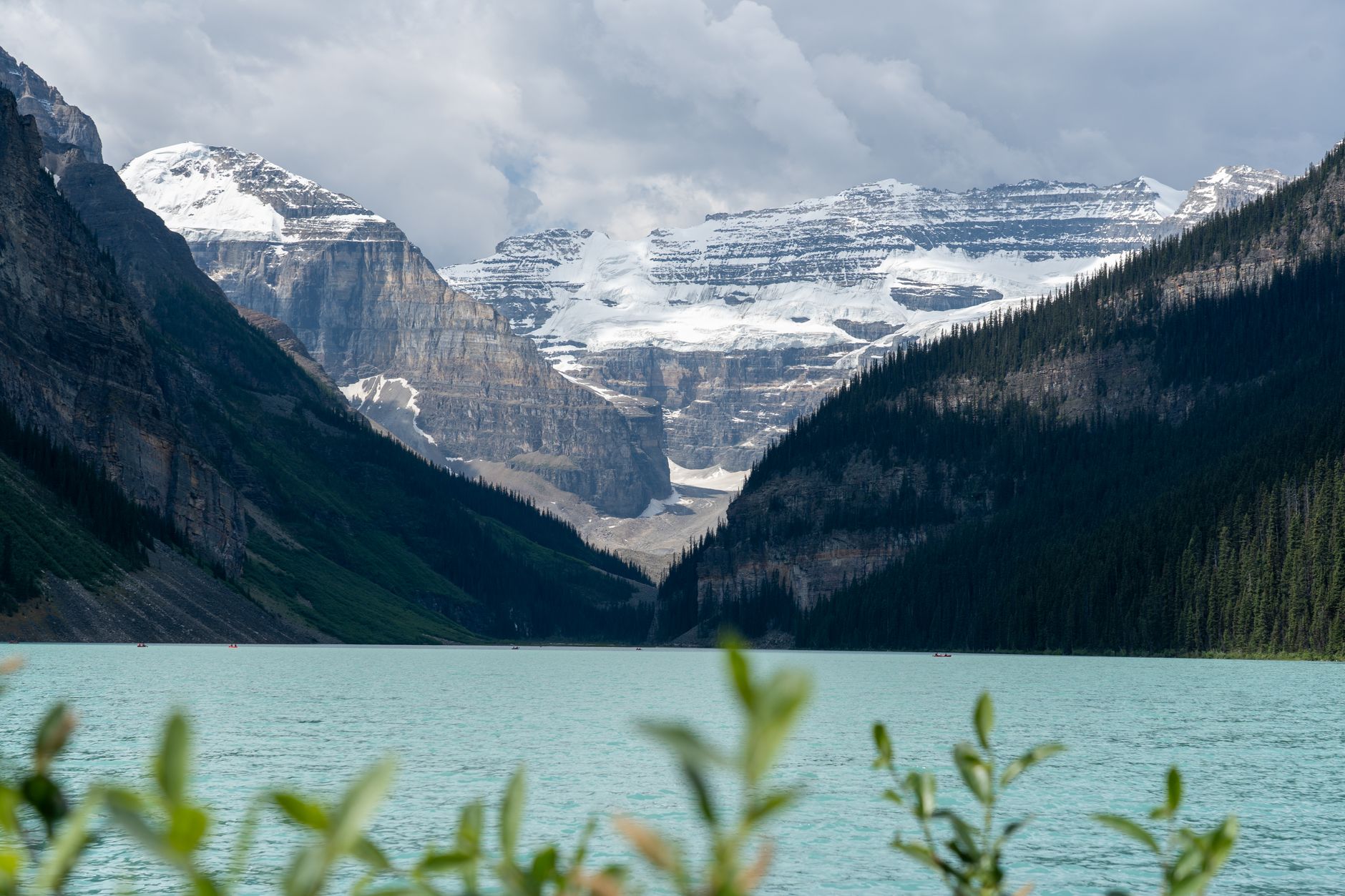
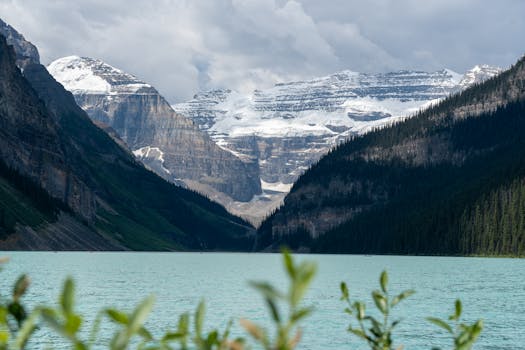
Stunning view of Lake Louise with mountains and glacier reflections in Banff National Park, Alberta, Canada.Photo: Ryan Beirne / Pexels

Unforgettable Things to Do in Banff National Park

Your comprehensive guide to experiencing the breathtaking beauty and thrilling adventures of the Canadian Rockies.

Plan Your Adventure

Key Takeaways

  • ✓ Banff National Park is Canada's first national park, established in 1885.
  • ✓ It encompasses 6,641 square kilometers (2,564 square miles) of mountainous terrain.
  • ✓ The park is home to numerous glaciers, ice fields, dense coniferous forests, and alpine landscapes.
  • ✓ A Parks Canada Discovery Pass is required for entry and can be purchased online or at park gates.

How It Works

1
Choose Your Season

Banff offers distinct experiences year-round. Summer provides hiking and water sports, while winter is ideal for skiing and ice activities.

2
Book Accommodations & Transport

Popular spots like Lake Louise and Banff townsite book up fast. Consider shuttle services for popular trailheads to avoid parking woes.

3
Prioritize Your Must-Dos

With so much to see, identify your top attractions and activities. Research opening hours, reservation requirements, and trail conditions.

4
Pack Smart & Stay Safe

Weather can change rapidly in the mountains. Dress in layers, carry bear spray, and inform someone of your hiking plans.

Iconic Lakes and Breathtaking Vistas: Must-See Banff Attractions

Stunning view of Lake Louise with mountains and glacier reflections in Banff National Park, Alberta, Canada.Photo: Ryan Beirne / Pexels
Banff National Park is synonymous with turquoise lakes and dramatic mountain backdrops, offering some of the most photographed landscapes on Earth. When planning your list of things to do in Banff National Park, these natural wonders should be at the very top. **Lake Louise:** Often called the 'Jewel of the Canadian Rockies,' Lake Louise is arguably the most famous spot in Banff. Its vibrant turquoise waters, fed by glacial melt, are set against the majestic Victoria Glacier and Fairmont Chateau Lake Louise. In summer, you can rent canoes or kayaks directly from the boathouse and paddle across its serene surface, an experience that feels straight out of a postcard. For those who prefer solid ground, the Lakefront Trail offers an easy, picturesque stroll along the shore. More adventurous hikers can tackle trails like the Plain of Six Glaciers Teahouse hike or the Big Beehive Trail, both offering unparalleled views of the lake from above. Early morning visits are highly recommended to beat the crowds and experience the lake at its most tranquil. The reflections of the mountains on the still water during sunrise are simply magical. **Moraine Lake:** Just a short drive from Lake Louise, Moraine Lake is another absolute gem, famous for its even more intense, almost surreal blue hue. This color is due to rock flour (silt) deposited by glacial erosion. The Rockpile Trail, a short but steep climb, offers the iconic 'Twenty Dollar View' – named because this vista once graced the Canadian twenty-dollar bill. Like Lake Louise, canoeing is a popular activity here, and the surrounding trails cater to various fitness levels, from gentle lakeside walks to more challenging ascents into the Valley of the Ten Peaks. Access to Moraine Lake has become restricted for private vehicles during peak season, so plan to use Parks Canada shuttles, Roam Transit, or private tour operators to get there. Reservations for shuttles are essential and can be made well in advance. **Peyto Lake:** North of Lake Louise along the scenic Icefields Parkway, Peyto Lake offers a different but equally stunning perspective. Shaped distinctly like a wolf's head or a maple leaf, its brilliant blue waters are best viewed from the Peyto Lake Viewpoint. A short paved path leads from the parking lot to the upper viewpoint, offering panoramic vistas. For a slightly less crowded experience and an even better photographic angle, continue along the path to the lower, less-trafficked Bow Summit viewpoint. This lake's vivid color is also attributed to glacial rock flour and intensifies in the summer months. The drive along the Icefields Parkway to reach Peyto Lake is an attraction in itself, with numerous pull-offs for other scenic overlooks and short hikes. Beyond these titans, don't overlook other beautiful water bodies like Vermilion Lakes, just outside Banff townsite, perfect for sunrise or sunset photography, or Johnson Lake, a warmer, shallower lake ideal for swimming and paddleboarding. Each lake offers a unique charm and adds depth to the diverse array of things to do in Banff National Park. Remember to check Parks Canada's website for current conditions and access information, especially for popular spots like Moraine Lake, as policies can change. Planning your Rockies itinerary around these iconic destinations will ensure you capture the essence of Banff's natural grandeur.

Adventure Awaits: Thrilling Activities for Every Explorer
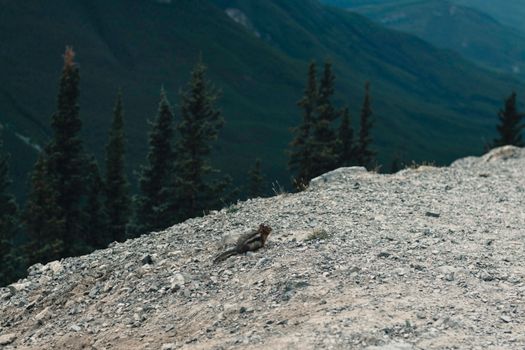
Squirrel on rocky terrain in Banff's mountainous wilderness.Photo: Ali Kazal / Pexels
While Banff's serene lakes are a major draw, the park truly comes alive with a vast array of adventure activities catering to all levels of thrill-seekers and nature lovers. Whether you're looking for an adrenaline rush or a peaceful communion with nature, the things to do in Banff National Park extend far beyond just sightseeing. **Hiking and Backpacking:** Banff is a hiker's paradise, boasting hundreds of kilometers of trails ranging from easy strolls to multi-day backcountry expeditions. For a moderate day hike, consider the Johnston Canyon trail, which features catwalks built into the canyon walls leading to stunning lower and upper waterfalls, and even the 'Ink Pots' – bubbling cold mineral springs. Another popular choice is the Sulphur Mountain trail, which offers a challenging ascent to panoramic views of Banff townsite and the surrounding valleys; alternatively, you can take the Banff Gondola to the summit. For those seeking a more strenuous adventure, trails around Lake Louise like the Plain of Six Glaciers Teahouse or the Big Beehive provide incredible rewards. Always carry bear spray, make noise on trails, and be aware of wildlife. Check trail conditions and closures on the Parks Canada website before heading out. **Wildlife Viewing:** Banff is teeming with wildlife, offering incredible opportunities for sightings of elk, bighorn sheep, deer, and even grizzly and black bears. The Bow Valley Parkway (Highway 1A) is often a prime spot for wildlife viewing, particularly at dawn and dusk. Remember to maintain a safe distance from all animals, never feed them, and stay in your vehicle if you encounter bears or cougars. Responsible wildlife viewing is crucial for both your safety and the well-being of the animals. **Paddling and Rafting:** Beyond canoeing on the iconic lakes, Banff offers numerous opportunities for paddling. The Bow River, flowing through Banff townsite, is perfect for leisurely canoe or kayak trips, offering unique perspectives of the town and mountains. For a more exhilarating experience, white-water rafting tours are available on nearby rivers like the Kicking Horse River (just outside the park but easily accessible), providing an adrenaline-pumping ride through rapids. Guided float trips are also an excellent option for families or those seeking a gentler river experience. **Winter Sports:** When the snow falls, Banff transforms into a winter wonderland, offering world-class skiing and snowboarding. The 'Big 3' ski resorts – Sunshine Village, Lake Louise Ski Resort, and Mt. Norquay – offer diverse terrain for all skill levels, along with breathtaking views. Beyond downhill skiing, cross-country skiing, snowshoeing, and ice skating on frozen lakes (like Lake Louise or Johnson Lake) are popular winter activities. The Banff Icewalk in Johnston Canyon, where you walk on frozen catwalks to see icefalls, is a truly unique winter experience. **Hot Springs and Wellness:** After a day of adventure, soothe your muscles at the Banff Upper Hot Springs. These natural, mineral-rich hot springs offer a relaxing soak with stunning mountain views. It's a perfect way to unwind and rejuvenate, completing a day packed with exploration. Whether you're summitting a peak or gliding down snowy slopes, the range of things to do in Banff National Park ensures an adventure tailored to your desires.

Cultural Immersion and Local Delights: Beyond the Trails in Banff
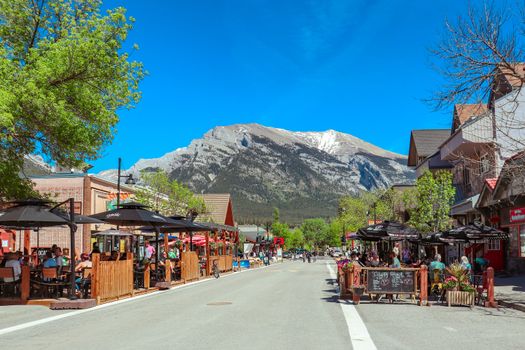
Lively street in Banff, Alberta with outdoor cafes and stunning mountain views, perfect for travel enthusiasts.Photo: Claudia Solano / Pexels
While the natural splendor undoubtedly defines the core of things to do in Banff National Park, the region also offers a rich tapestry of cultural experiences, local flavors, and unique perspectives that extend beyond the well-trodden trails. Engaging with the local community and understanding the park's history adds another layer of appreciation to your visit. **Explore Banff Townsite:** The charming town of Banff, nestled amidst towering peaks, serves as the vibrant hub of the national park. Stroll down Banff Avenue, lined with unique boutiques, art galleries, and souvenir shops where you can find everything from local crafts to outdoor gear. The town offers a wide array of dining options, from casual cafes and pubs to upscale restaurants serving international cuisine and local Rocky Mountain fare. Don't miss sampling some Alberta beef or fresh local ingredients. The town also hosts various events and festivals throughout the year, so check the local calendar for live music, markets, or cultural celebrations during your visit. **Visit Museums and Interpretive Centers:** To truly understand the significance of Banff, delve into its history and ecology. The Whyte Museum of the Canadian Rockies offers fascinating insights into the art, culture, and history of the region, featuring exhibits on early explorers, Indigenous peoples, and mountain culture. The Cave and Basin National Historic Site, considered the birthplace of Canada's national park system, allows you to explore the original sulphurous hot springs and learn about their discovery and the park's establishment. This site also offers interpretive programs and a chance to see the endangered Banff Springs snail. The Banff Park Museum National Historic Site, Canada's oldest natural history museum, showcases taxidermied animals in a beautiful historic building, providing a glimpse into the park's diverse wildlife. **Take a Scenic Drive:** Beyond the Icefields Parkway, other scenic drives offer breathtaking views and opportunities for wildlife spotting. The Bow Valley Parkway (Highway 1A) is a slower, more intimate alternative to the Trans-Canada Highway between Banff and Lake Louise. It's often less busy and provides more chances to see wildlife like elk and bears. Drive to the Lake Minnewanka Scenic Drive loop, which includes stops at Two Jack Lake and Johnson Lake, perfect for picnics, photography, or simply enjoying the peaceful surroundings. These drives allow you to absorb the vastness of the landscape at your own pace and discover hidden gems. **Enjoy the Arts and Culture Scene:** Banff is home to a thriving arts community. The Banff Centre for Arts and Creativity is a world-renowned institution that hosts various performances, exhibitions, and public events throughout the year, from music concerts to dance recitals and art shows. Check their schedule for unique cultural experiences. Many local galleries showcase the work of Canadian artists, often inspired by the stunning mountain environment. Engaging with these cultural aspects provides a deeper connection to the place and its people, rounding out your list of things to do in Banff National Park. Exploring the local culture alongside the natural beauty creates a truly holistic travel experience.

Planning Your Banff Adventure: Essential Tips for a Seamless Trip
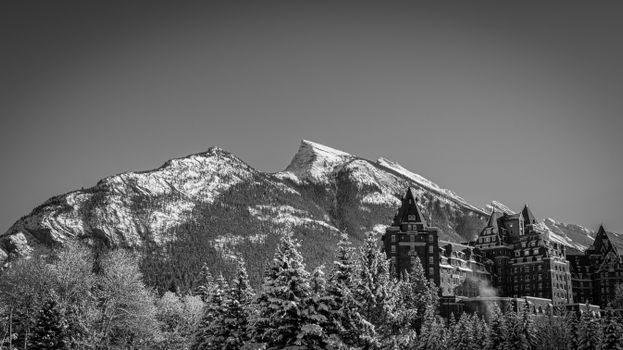
Dramatic black and white photo of a mountain scene with a historic hotel.Photo: 기승 Ki / Pexels
To maximize your experience and ensure a smooth, enjoyable trip, consider these crucial planning tips when exploring the myriad things to do in Banff National Park. A little foresight can go a long way in navigating this popular destination. **Best Time to Visit:** * **Summer (June-August):** Ideal for hiking, canoeing, and warm-weather activities. Expect large crowds and higher prices. Book accommodations and popular activities well in advance (6-12 months). * **Fall (September-October):** Fewer crowds, vibrant larch tree colors, and pleasant hiking weather. Some services may begin to close towards late fall. * **Winter (November-April):** Perfect for skiing, snowboarding, ice skating, and snowshoeing. Expect cold temperatures and significant snowfall. * **Spring (May-early June):** Transition season with melting snow, fewer crowds, and lower prices. Some higher elevation trails may still be closed. **Accommodation and Reservations:** * **Book Early:** Especially for summer and holiday periods, accommodations in Banff and Lake Louise can be fully booked months in advance. * **Consider Options:** From luxury hotels like the Fairmont Banff Springs and Chateau Lake Louise to cozy B&Bs, budget-friendly hostels, and campgrounds, Banff offers diverse lodging. * **Camping:** If camping, reserve sites through Parks Canada as soon as bookings open (usually January for the summer season). **Transportation within the Park:** * **Roam Transit:** An excellent public transit system connects Banff townsite, Lake Louise, Johnston Canyon, and other key areas. It's affordable, environmentally friendly, and helps alleviate parking issues at popular trailheads. * **Shuttles:** For popular destinations like Moraine Lake and Lake Louise, Parks Canada operates mandatory shuttle services during peak season. Book your shuttle seats well in advance. * **Personal Vehicle:** While convenient for flexibility, parking can be a major challenge and expensive at popular spots. Consider combining driving with shuttle services. **Park Passes:** * A Parks Canada Discovery Pass or a daily park pass is required for entry into Banff National Park. Purchase online in advance or at the park gates. **Safety and Preparedness:** * **Wildlife Safety:** Carry bear spray (and know how to use it) if hiking. Make noise on trails, hike in groups, and never feed wildlife. * **Weather:** Mountain weather is unpredictable. Dress in layers, even in summer, and be prepared for sudden changes. * **Trail Conditions:** Always check current trail conditions, closures, and avalanche forecasts (in winter) before heading out. * **Leave No Trace:** Pack out everything you pack in. Respect wildlife and natural habitats. By keeping these tips in mind, you'll be well-prepared to enjoy all the incredible things to do in Banff National Park without unnecessary stress, allowing you to fully immerse yourself in its spectacular beauty.

Comparison

FeatureSummer (June-Aug)Fall (Sept-Oct)Winter (Nov-Apr)Spring (May-early June)
CrowdsVery HighModerateModerateLow
HikingBestExcellentLimited (snowshoeing/XC)Variable (melting snow)
Canoeing/KayakingBestGood (early Fall)✗ (frozen lakes)Limited (ice melt)
Skiing/SnowboardingLimited (early snow)BestGood (late Spring)
Wildlife ViewingGoodExcellentGoodGood
Accommodation CostsHighestHighMediumLowest

What Our Readers Say

5 ★★★★★

"Our trip to Banff was a dream! Canoeing on Lake Louise was absolutely magical, and the hike to the Plain of Six Glaciers Teahouse offered views I'll never forget. So many incredible things to do in Banff National Park, we ran out of time!"

5 ★★★★★

"Winter in Banff is truly special. The skiing at Sunshine Village was phenomenal, and snowshoeing Johnston Canyon to see the frozen waterfalls was a highlight. Highly recommend adding these things to do in Banff National Park to your winter itinerary."

5 ★★★★★

"We followed this guide for our trip and it was incredibly helpful! We managed to see Moraine Lake at sunrise, hike Sulphur Mountain, and relax at the hot springs, making our visit to Banff National Park unforgettable."

4 ★★★★☆

"Banff is always a great escape. While the crowds at Lake Louise were a bit much in August, the lesser-known trails like Consolation Lakes offered amazing solitude and views. There are so many diverse things to do in Banff National Park if you look beyond the main spots."

5 ★★★★★

"As an international visitor, the information on shuttles and park passes was invaluable. We loved exploring Banff town, and the wildlife viewing on the Bow Valley Parkway was a fantastic bonus to all the beautiful lakes. Truly a bucket-list destination."

Frequently Asked Questions

What are the absolute must-do things in Banff National Park for a first-time visitor?
For a first-time visitor, the absolute must-dos include visiting Lake Louise and Moraine Lake (especially for the iconic views and canoeing), hiking a scenic trail like Johnston Canyon or Sulphur Mountain, and exploring Banff townsite. Consider a scenic drive along the Icefields Parkway to Peyto Lake for another breathtaking vista. These experiences capture the essence of Banff's natural beauty and recreational opportunities.
Is Banff National Park very crowded, and how can I avoid the crowds?
Yes, Banff National Park, especially in summer (June-August) and on weekends, can be very crowded at popular spots like Lake Louise and Moraine Lake. To avoid crowds, visit during the shoulder seasons (May-early June, September-October), go early in the morning (before 8 AM) or late in the afternoon (after 4 PM), and explore less-trafficked trails or attractions. Utilizing Roam Transit and Parks Canada shuttles for popular areas also helps manage traffic and parking.
How do I get to Moraine Lake and Lake Louise, especially during peak season?
During peak season (typically late May to mid-October), private vehicle access to Moraine Lake Road is closed. You must use Parks Canada shuttles, Roam Transit, or book a private tour operator. For Lake Louise, while private vehicles are allowed, parking fills up very early, so using shuttles or Roam Transit is highly recommended. Reservations for all shuttle services are essential and should be made well in advance through the Parks Canada website.
What is the best way to budget for a trip to Banff National Park?
Budgeting for Banff involves considering park passes (daily or Discovery Pass), accommodation (which varies widely from camping to luxury hotels), food (eating out can be expensive, consider grocery shopping), and activities. Look for free activities like hiking and scenic drives. Utilizing public transit like Roam Transit can save on parking fees. Visiting during shoulder seasons can also offer lower accommodation rates and fewer crowds, providing better value.
How does Banff compare to Jasper National Park in terms of activities?
Both Banff and Jasper offer stunning mountain scenery and outdoor activities, but they have distinct characters. Banff is generally more developed, with a larger townsite and a wider range of luxury accommodations and dining options, often leading to more crowds. Jasper feels more remote and wild, offering a more rugged, tranquil experience with fewer amenities. Banff is known for its iconic turquoise lakes, while Jasper boasts incredible glaciers and waterfalls. The Icefields Parkway connects both, making it possible to experience the best of both parks.
Who should consider visiting Banff National Park?
Banff National Park is ideal for nature lovers, outdoor adventurers, photographers, and anyone seeking breathtaking mountain scenery. It caters to a wide range of visitors, from families with young children looking for easy walks and wildlife viewing to experienced hikers and climbers seeking challenging backcountry experiences. It's also perfect for those interested in winter sports, cultural experiences, and wellness retreats.
What safety precautions should I take when exploring things to do in Banff National Park?
Safety in Banff is paramount. Always be bear aware: carry bear spray, know how to use it, and make noise while hiking. Stay on marked trails, inform someone of your hiking plans, and check trail conditions and weather forecasts before heading out. Dress in layers, carry sufficient water and snacks, and maintain a safe distance from all wildlife. In winter, be aware of avalanche risks and stick to designated areas unless you have proper training and equipment.
Are there any emerging trends or unique experiences in Banff National Park?
Emerging trends in Banff include a greater emphasis on sustainable tourism and using public transit/shuttles to reduce environmental impact and manage congestion. Unique experiences are also growing, such as guided stargazing tours in designated dark sky preserves, specialized photography workshops focusing on the Rockies' unique light, and more immersive Indigenous cultural experiences that connect visitors with the land's original stewards. There's also a rising interest in backcountry hut trips for multi-day, self-sufficient adventures.

Embark on your unforgettable journey to the Canadian Rockies. With this comprehensive guide to things to do in Banff National Park, you're now equipped to plan an adventure filled with breathtaking landscapes, thrilling activities, and cherished memories. Start planning your Banff escape today and discover the magic of this world-renowned destination.

Topics: things to do in banff national parkbanff activitiescanadian rockies travelbanff attractionslake louise
Leo List
Brampton weed
Adultwork