✓ A full trans-Canada journey can range from CAD $500 (Economy, off-peak) to CAD $10,000+ (Prestige, peak season).
✓ VIA Rail is the primary passenger train operator, offering three main service classes: Economy, Sleeper Plus, and Prestige.
✓ Booking well in advance (6-12 months) can significantly reduce costs, especially for popular routes and sleeper accommodations.
✓ The journey from Toronto to Vancouver (The Canadian route) is approximately 4,466 km and takes around 4 days and 4 nights.
How It Works
1
Choose Your Route & Season
Decide if you're doing a full cross-country trip or a scenic segment. Peak seasons (summer, holidays) will always be more expensive.
2
Select Your Service Class
VIA Rail offers Economy, Sleeper Plus, and Prestige classes. Each offers different amenities and price points, from basic seating to private cabins with all-inclusive meals.
3
Book in Advance & Look for Deals
Fares are dynamic; booking early secures better prices. Watch for VIA Rail's 'Escape Fares' or seasonal promotions for potential savings.
4
Factor in Additional Expenses
Beyond the ticket, consider food (if not included), excursions, pre/post-train accommodation, and transport to/from stations.
Understanding the Core train travel across Canada cost: VIA Rail Fares
Photo: Connor Scott McManus / Pexels
Embarking on a train journey across Canada is an iconic experience, offering unparalleled views of diverse landscapes, from the bustling cities of the East to the majestic Rocky Mountains in the West. But before you can lose yourself in the scenic beauty, the first and most crucial step is to understand the train travel across Canada cost. The primary operator for passenger rail services across Canada is VIA Rail. Their pricing structure is dynamic and depends heavily on several factors, primarily the service class you choose, how far in advance you book, and the season of travel.
VIA Rail generally offers three main service classes for its long-distance routes, particularly on 'The Canadian' (Toronto to Vancouver) and 'The Ocean' (Montreal to Halifax). These are Economy, Sleeper Plus, and Prestige. Each class offers a vastly different experience and, consequently, a vastly different price point. Economy class is the most budget-friendly option, providing comfortable reclining seats, access to a shared washroom, and the option to purchase meals and snacks from the service car. While it’s perfect for shorter segments or the truly budget-conscious traveler, a multi-day cross-country journey in Economy can be physically demanding. Prices for a full trans-Canada journey in Economy can range from approximately CAD $500 to $1,500, depending on booking time and promotions.
Sleeper Plus is where the experience truly begins to elevate. This class includes private accommodations, such as cabins for one, two, or even three people, often with private washrooms and showers. All meals are included and served in the dining car, offering a more refined culinary experience. Access to exclusive lounge cars and panoramic dome cars is also part of the package. This is often considered the sweet spot for many travelers, balancing comfort, amenities, and cost. Expect to pay anywhere from CAD $2,000 to $6,000 per person for a trans-Canada trip in Sleeper Plus, again, with significant variations based on cabin type, season, and booking lead time.
At the pinnacle of luxury is the Prestige class. Exclusive to 'The Canadian' route, Prestige offers spacious private cabins with a double bed, private shower, and washroom, a dedicated concierge service, all-inclusive gourmet meals, and complimentary alcoholic beverages. Passengers in Prestige also enjoy exclusive access to the Prestige Park Car, which offers panoramic views and a dedicated lounge. This is the ultimate indulgence for those seeking a premium, all-inclusive experience. The train travel across Canada cost for Prestige class can easily exceed CAD $7,000 and can go up to CAD $10,000 or more per person for a full cross-country journey, especially during peak travel periods like summer or fall foliage season. Understanding these core fare structures is the first step in accurately estimating your overall budget for this incredible adventure. For more detailed information on specific routes and their offerings, you can explore the VIA Rail Canada website directly.
Factors Influencing Your Canadian Train Journey Budget
Photo: Flickr / Pexels
Beyond the basic fare structure, several other critical factors play a significant role in determining the final train travel across Canada cost. Being aware of these variables allows you to make informed decisions and potentially save a considerable amount of money, or conversely, prepare for a higher expenditure if certain preferences are non-negotiable.
**Season of Travel:** This is arguably one of the most impactful factors. Traveling during peak season (typically June to September, and holiday periods like Christmas or Easter) will always be more expensive due to higher demand. The shoulder seasons (April-May, October-November) often offer a better balance of pleasant weather and lower fares. Winter travel, while offering unique snowy vistas, usually presents the lowest prices. If your schedule is flexible, aiming for off-peak dates can lead to substantial savings on your ticket price and potentially on pre and post-train accommodation.
**Booking Lead Time:** Train fares, much like airline tickets, are dynamic. The further in advance you book, the more likely you are to secure a better rate. VIA Rail releases tickets well in advance, sometimes up to a year or more. Booking 6 to 12 months ahead is highly recommended, especially for Sleeper Plus and Prestige classes, which have limited availability. Last-minute bookings, while occasionally yielding a lucky deal, are generally significantly more expensive, if available at all.
**Route and Duration:** While 'The Canadian' from Toronto to Vancouver is the quintessential trans-Canada journey, VIA Rail operates other long-distance routes. 'The Ocean' (Montreal to Halifax) offers a different coastal experience, and regional routes connect various cities. The longer the route and the more nights spent on the train, the higher the cost. A shorter segment, say from Jasper to Vancouver, will naturally be less expensive than the full cross-country trek.
**Discounts and Promotions:** VIA Rail frequently offers various discounts. These can include senior discounts, student discounts, youth discounts, and sometimes seasonal promotions or 'Escape Fares' which offer reduced prices on specific routes or dates. It's always worth checking their website's 'Deals' section before booking. Membership in certain organizations or loyalty programs might also provide additional savings.
**Number of Travelers:** While a single ticket for Sleeper Plus or Prestige includes a private cabin, the cost per person can decrease slightly if you're sharing a cabin for two. However, the base fare for two people will always be higher than for one. Economy class seats are priced per person.
**Flexibility of Ticket:** Some of the cheapest fares (often called 'Escape Fares' or similar) are typically non-refundable and non-exchangeable. More flexible tickets, which allow changes or cancellations, come at a higher price point. Consider your travel certainty when choosing your fare type.
By carefully considering these factors, you can tailor your train travel across Canada cost to fit your budget and preferences, ensuring a memorable journey without breaking the bank.
Beyond the Ticket: Additional Expenses and Hidden Costs
Photo: Pew Nguyen / Pexels
While the train ticket itself forms the bulk of your train travel across Canada cost, it's crucial to budget for additional expenses that can significantly impact your overall outlay. Overlooking these can lead to unexpected financial strain during your journey. A truly comprehensive budget needs to account for everything from food and drinks to pre- and post-train logistics.
**Food and Beverages (if not included):** If you're traveling in Economy class, meals and snacks are not included in your fare. The dining car on VIA Rail offers a variety of options, but these can add up quickly over several days. Bringing your own snacks, non-perishable food items, and drinks can be a smart way to save money. Remember, there's no kitchen access in Economy, so think about items that don't require heating or refrigeration. For Sleeper Plus and Prestige passengers, all meals are included, which is a significant value proposition and something to factor into the higher initial ticket price.
**Accommodation Before and After Your Trip:** Unless you live directly at the departure or arrival station, you'll likely need accommodation for at least one night before your train departs and possibly after you arrive. Cities like Toronto, Montreal, Winnipeg, Jasper, and Vancouver, which are major hubs, can have varying hotel prices. Factor in these hotel stays, especially if you plan to explore these cities before or after your train journey. Booking these well in advance, particularly in peak season, is also advisable for better rates.
**Transportation to and from Stations:** Consider how you'll get to the train station at your origin city and from the station at your destination. Taxis, ride-shares, public transit, or airport transfers all come with a cost. Some major stations are centrally located and easily accessible by public transport, while others might require a longer commute.
**Onboard Extras and Souvenirs:** While onboard, you might be tempted by alcoholic beverages (not included in Sleeper Plus), special snacks, or souvenirs from the gift shop. These small purchases can accumulate. Budget a daily allowance for such discretionary spending.
**Excursions and Activities:** Many travelers use train journeys as a way to reach scenic destinations like the Canadian Rockies. If you plan to stop over in places like Jasper or Banff, budget for activities such as national park passes, guided tours, hiking, wildlife viewing, or gondola rides. These can be significant expenses separate from your train travel. Planning your excursions in advance can also help with budgeting.
**Travel Insurance:** While not a direct cost of the train ticket, comprehensive travel insurance is highly recommended, especially for a long and potentially expensive journey. This can cover unforeseen circumstances like trip cancellation, medical emergencies, lost luggage, or delays, protecting your investment. The cost of insurance is usually a small percentage of your total trip cost but offers immense peace of mind.
By meticulously accounting for these additional expenses, you can create a realistic and accurate budget for your entire train travel across Canada cost, ensuring a smooth and enjoyable adventure without any unwelcome financial surprises.
Maximizing Value and Avoiding Common Budget Mistakes
Photo: Daniel Frese / Pexels
Embarking on a cross-Canada train adventure is a dream for many, but the train travel across Canada cost can quickly escalate if you're not strategic. Here are crucial tips to maximize your value and avoid common budget pitfalls, ensuring your journey is as economical as it is memorable.
**1. Be Flexible with Dates:** As highlighted earlier, peak season travel is significantly more expensive. If your schedule allows, aim for shoulder seasons (spring or fall) or even winter. You'll often find lower fares, fewer crowds, and unique seasonal beauty. Using VIA Rail's low-fare finder tool can help identify the cheapest days to travel.
**2. Book Early, Always:** This cannot be stressed enough. VIA Rail uses a yield management system, meaning prices increase as demand rises and seats/cabins fill up. Booking 6-12 months out, especially for Sleeper Plus or Prestige, is the golden rule for securing the best rates. Last-minute spontaneity is a luxury you'll pay dearly for.
**3. Consider a Rail Pass:** For extensive travel or if you plan multiple segments, a VIA Rail pass might offer better value than individual tickets. They offer various passes, like the Canrailpass, which allows a certain number of trips within a specific period. Do the math to see if a pass makes sense for your itinerary.
**4. Pack Smart for Economy:** If you opt for Economy, bring your own food and drinks. The dining car, while convenient, can be pricey for every meal. Non-perishable snacks, sandwiches, and a refillable water bottle will save you a lot. Just remember, no cooking facilities are available.
**5. Understand What's Included (and What Isn't):** For Sleeper Plus and Prestige, meals are included. Factor this into your overall budget comparison. The higher ticket price often offsets daily meal expenses you'd incur in Economy. Don't double-budget for food if it's already covered.
**6. Look for Promotions and Discounts:** Regularly check VIA Rail's 'Deals' section on their website. They often have 'Escape Fares' or seasonal promotions. If you qualify for senior, student, or youth discounts, ensure you apply them.
**7. Avoid Unnecessary Stopovers (Unless Planned):** Each stopover often means additional accommodation costs. If your primary goal is the cross-country journey, minimize planned stopovers unless you've specifically budgeted for them and the associated expenses.
**8. Budget for Onboard Extras:** Even if meals are included, alcoholic beverages, souvenirs, or extra snacks from the service car are usually not. Set a small daily budget for these discretionary items to avoid overspending.
**9. Factor in Pre/Post-Train Logistics:** Don't forget the cost of hotels before and after your journey, and transportation to/from the stations. These can add up, especially in major cities.
**10. Read the Fine Print on Fares:** The cheapest fares are often restrictive (non-refundable, no changes). If your plans might change, consider a slightly more expensive, flexible fare to avoid losing your entire ticket cost. This is a common mistake that can lead to significant financial loss if unforeseen circumstances arise.
By meticulously planning and keeping these tips in mind, you can significantly optimize your train travel across Canada cost, transforming a potentially expensive dream into an affordable reality.
Comparison
Feature
Economy Class
Sleeper Plus Class
Prestige Class
Accommodation
Reclining Seat
Private Cabin (1-3 ppl)
Spacious Private Cabin (double bed)
Meals Included
✗ (purchase available)
✓ (all meals)
✓ (gourmet, all-inclusive)
Washroom/Shower
Shared
Shared or Private
Private (in-cabin)
Lounge Access
✗
✓ (Park Car, Skyline Car)
✓ (Prestige Park Car, dedicated concierge)
Price Range (Trans-Canada)
CAD $500 - $1,500
CAD $2,000 - $6,000
CAD $7,000 - $10,000+
Flexibility
Limited (depends on fare)
Moderate to High
High
Onboard Service
Basic
Attentive
Dedicated Concierge
What Readers Say
★★★★★
"We did the Sleeper Plus from Vancouver to Toronto and it was worth every penny. The train travel across Canada cost for that comfort, included meals, and incredible views was perfectly reasonable for a once-in-a-lifetime trip. No regrets!"
Sarah J. · Calgary, AB
★★★★★
"I managed to snag an Escape Fare in Economy from Montreal to Halifax for under $100! If you're flexible, the train travel across Canada cost can be surprisingly affordable. Just bring your own snacks for the ride."
David M. · Montreal, QC
★★★★★
"Splurging on Prestige for our anniversary trip was incredible. The train travel across Canada cost was high, but the service, food, and private cabin with shower made it an unforgettable, luxurious experience. It felt like a floating hotel."
Eleanor T. · Vancouver, BC
★★★★★
"The train travel across Canada cost for our family of four in Sleeper Plus was considerable, but the kids loved the dome car and not having to deal with airports. We saved by bringing some of our own drinks and booking 9 months in advance."
Mark S. · Toronto, ON
★★★★★
"I used a Canrailpass to travel several segments across the prairies and into BC. It was a fantastic way to manage the train travel across Canada cost for an extended backpacking trip, offering great flexibility and value."
Jessica L. · Winnipeg, MB
Frequently Asked Questions
What is the average train travel across Canada cost for a full journey?
The average train travel across Canada cost for a full cross-country journey (e.g., Toronto to Vancouver) varies widely. In Economy class, you might expect to pay between CAD $500-$1,500. For Sleeper Plus, prices typically range from CAD $2,000-$6,000, and for the luxurious Prestige class, it can be CAD $7,000-$10,000 or more, depending on factors like season, booking time, and cabin type.
Is train travel across Canada more expensive than flying?
Generally, for a full cross-country journey, train travel, especially in Sleeper Plus or Prestige class, will be significantly more expensive than flying Economy. However, the train offers an entirely different experience – scenic views, comfort, and a journey in itself, which flying cannot replicate. Economy train travel can sometimes be comparable to flexible airfares or bus travel for shorter routes.
How can I reduce the train travel across Canada cost?
To reduce the train travel across Canada cost, book as far in advance as possible (6-12 months), travel during off-peak seasons (winter, shoulder months), consider Economy class and bring your own food/snacks, look for VIA Rail's 'Escape Fares' or promotions, and explore rail passes if you plan multiple stops or segments.
What does the Sleeper Plus class include in its cost?
Sleeper Plus class on VIA Rail includes private sleeping accommodations (cabins for 1-3 people), all meals served in the dining car, access to exclusive lounge cars and panoramic dome cars, and bedding/towels. Some cabins also include private washrooms and showers, while others have access to shared facilities. This class offers a significant upgrade in comfort and amenities over Economy.
How does the train travel across Canada cost compare to other modes of transport?
Compared to flying, train travel is generally slower and, for premium classes, more expensive but offers a unique, scenic experience. Compared to driving, the upfront train ticket cost might be higher, but you save on gas, vehicle wear, and potentially accommodation (as you sleep on the train). Compared to bus travel, the train is almost always more expensive but offers far greater comfort and amenities, especially for long distances.
Who should consider the higher train travel across Canada cost for premium classes?
Travelers who prioritize comfort, scenic immersion, included amenities (like gourmet meals and private cabins), and a luxurious, stress-free journey should consider the higher cost of Sleeper Plus or Prestige classes. It's ideal for special occasions, those who value the journey as much as the destination, or anyone looking for a truly unique and pampered travel experience across Canada.
Is the train travel across Canada cost worth it for a family with children?
For families, the train travel across Canada cost can be a worthwhile investment, especially in Sleeper Plus. Children often enjoy the freedom to move around, the novelty of sleeping on a train, and the panoramic views. The included meals and lack of airport hassles can also be a big plus for parents. Budget carefully, as family cabins are limited and can book up quickly.
Will the train travel across Canada cost increase in the future?
Like most travel services, the train travel across Canada cost is subject to inflationary pressures, fuel price fluctuations, and demand. It's reasonable to expect gradual increases over time. However, VIA Rail frequently offers promotions and dynamic pricing, so strategic booking will likely remain key to managing costs.
Ready to embark on an unforgettable journey? Understanding the train travel across Canada cost is your first step to an epic adventure. Start planning your budget, choose your ideal class, and prepare to witness Canada's breathtaking landscapes unfold from the comfort of a train.

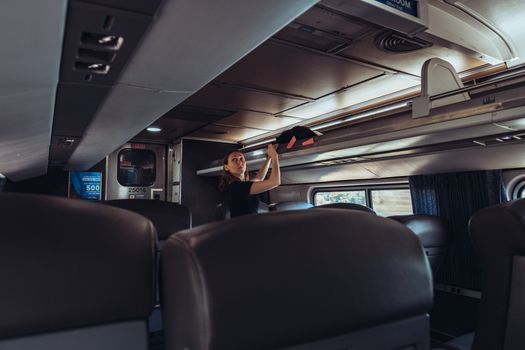 Photo: Connor Scott McManus / Pexels
 Photo: Flickr / Pexels
 Photo: Pew Nguyen / Pexels
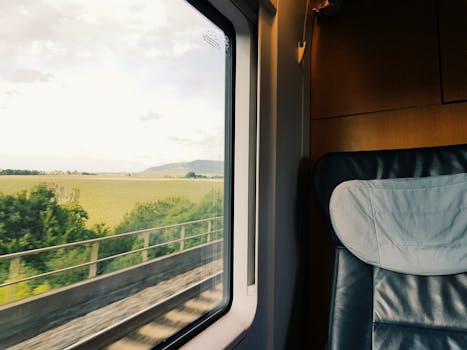 Photo: Daniel Frese / Pexels