How to Get Around Canada Without a Car: Your Ultimate Guide
how to get around canada without a car

How to Get Around Canada Without a Car: Your Ultimate Guide

Unlock Canada's vast beauty and diverse cities without the need for a rental car, embracing sustainable and scenic travel.

Start Your Car-Free Adventure

Key Takeaways

  • ✓ Canada boasts extensive intercity bus and train networks.
  • ✓ Major cities have excellent public transit systems.
  • ✓ Domestic flights are efficient for long distances.
  • ✓ Ride-sharing and taxis are available in urban areas.

How It Works

1
Plan Your Route

Research destinations and the best mode of transport between them. Consider travel time and scenic routes to enhance your journey.

2
Book Transportation

Secure your train, bus, or flight tickets in advance, especially during peak seasons. Look for passes that offer savings on multiple trips.

3
Utilize Local Transit

Upon arrival, use city buses, subways, and streetcars to navigate urban areas. Many cities offer day passes for convenience.

4
Embrace Alternative Options

Explore bike rentals, ride-sharing, or even walking tours for localized travel. This allows for deeper immersion in your chosen destinations.

Navigating Canada's Vast Landscapes by Rail and Bus

VIA Rail train crossing a snowy field in Canada during winter with railway workers. Photo: Luka Franzi / Pexels
Canada, a country renowned for its immense size and breathtaking natural beauty, might seem daunting to explore without a personal vehicle. However, for those keen on experiencing its diverse landscapes without the hassle of driving, an extensive network of public transportation options awaits. From the majestic Rocky Mountains to the historic Atlantic coast, getting around Canada without a car is not only feasible but can also be a more enriching and sustainable way to travel. The key lies in understanding the available services and strategically planning your itinerary. VIA Rail Canada is the national passenger rail service, offering routes that span the country, connecting major cities and remote communities alike. Imagine gazing out at snow-capped peaks or serene lakes from the comfort of a train car, a luxury often missed when focused on the road. Popular routes include 'The Canadian' from Toronto to Vancouver, a multi-day journey that is an experience in itself, complete with sleeper cabins and dining cars. Other significant routes connect cities in Eastern Canada, like the 'Corridor' service between Windsor, Ontario, and Quebec City, Quebec, which is frequent and efficient. While not as extensive as Europe's rail network, VIA Rail provides a unique perspective on Canada's geography and is an excellent choice for those prioritizing comfort and scenery over speed for long distances. Booking in advance, especially for popular routes and sleeper services, is highly recommended to secure the best fares and availability. For more budget-conscious travelers or those looking to reach destinations not served by rail, intercity bus services are a robust alternative. Companies like Greyhound (though its Canadian operations have significantly scaled back, other regional carriers have filled gaps), Rider Express, and various provincial and regional operators offer comprehensive routes connecting cities, towns, and even smaller communities. These services are often more frequent and flexible than train services, making them ideal for shorter to medium-distance travel. While bus journeys might not offer the same level of comfort or scenic vistas as train travel, they are undeniably practical and affordable. Planning your bus travel requires checking individual company websites for schedules and routes, as a single national provider no longer dominates the market. Many bus terminals are centrally located, making onward travel via local transit straightforward. Exploring options like how to pack light for long trips can further enhance your car-free journey, ensuring ease of movement between different modes of transport.

Urban Exploration and Regional Connections: Flights and Local Transit
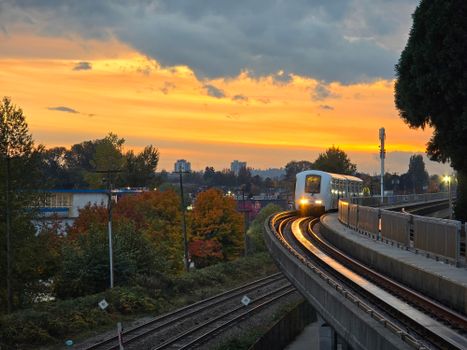
A scenic view of the SkyTrain gliding over tracks in Vancouver during a vibrant sunset. Photo: Glen Zi 加侖子 / Pexels
While trains and buses excel at connecting distant points, Canada's sheer size often necessitates air travel for covering vast distances efficiently. Domestic flights are a cornerstone of how to get around Canada without a car, particularly when traversing provinces or traveling from coast to coast. Air Canada, WestJet, and various regional airlines offer extensive domestic networks, connecting major hubs like Toronto, Vancouver, Montreal, and Calgary with smaller cities and remote areas. For instance, flying from Toronto to Vancouver can take as little as five hours, a journey that would take several days by train or bus. While air travel can sometimes be more expensive, especially if booked last minute, it saves invaluable time, allowing travelers to maximize their exploration of specific regions. Savvy travelers often look for deals, consider budget airlines, and book well in advance to mitigate costs. It's also worth noting that many domestic airports are well-connected to city centers via express buses or train services, making the transition from air to ground transport seamless. Once you arrive in a Canadian city, an efficient public transit system becomes your best friend. Major urban centers like Toronto, Montreal, Vancouver, and Calgary boast comprehensive networks of subways, buses, and streetcars (trams). These systems are designed to move large numbers of people efficiently, reducing the need for taxis or ride-shares for daily sightseeing. Toronto's TTC, Montreal's STM, and Vancouver's TransLink are excellent examples, offering day passes or reloadable cards that provide unlimited travel within a set period, often proving more economical than individual fares. These systems typically cover all major tourist attractions, cultural districts, and popular neighborhoods. For instance, exploring the diverse neighborhoods of Montreal is a breeze with its extensive metro system, while Vancouver's SkyTrain offers stunning views as it glides above the city. Beyond the major cities, many smaller towns and tourist areas also offer local bus services, albeit often with less frequency. For more remote or scenic attractions just outside city limits, consider organized tours. These tours often provide round-trip transportation from a central meeting point, eliminating the need for personal vehicles to reach national parks, wineries, or coastal viewpoints. For example, numerous tour operators in Banff offer shuttle services to popular hiking trails and lakes, ensuring visitors can experience the park's beauty without a car. This blend of flying for long distances and relying on robust local transit and organized tours for regional exploration forms a powerful strategy for car-free travel across Canada.

Embracing the Journey: Scenic Routes and Sustainable Travel Options
Classic bicycle parked on a bridge over Amsterdam's canals. Scenic and serene. Photo: Vasily Kleymenov / Pexels
Beyond the practicalities of getting from point A to point B, traveling around Canada without a car opens up opportunities to embrace the journey itself, focusing on scenic routes and sustainable travel practices. Opting for public transport significantly reduces your carbon footprint compared to driving, aligning with a more environmentally conscious approach to tourism. Moreover, it frees you from the stresses of navigation, parking, and gas prices, allowing you to fully immerse yourself in the landscapes and local culture. The slower pace of train or bus travel can also offer a deeper appreciation for the country's vastness and natural beauty, transforming transit time into an integral part of the adventure. Canada offers numerous opportunities for active and sustainable travel within and between destinations. For shorter distances or within urban areas, cycling is a fantastic option. Many Canadian cities, including Vancouver, Montreal, and Toronto, have invested heavily in bike lane infrastructure and offer bike-sharing programs, making it easy for visitors to rent a bicycle and explore at their own pace. Imagine cycling along Vancouver's Seawall or through Montreal's Parc La Fontaine – experiences that are both invigorating and provide unique perspectives of the city. For those venturing into national parks or smaller towns, local bike rental shops are often available, providing access to scenic trails and routes. This allows for spontaneous stops, interaction with local communities, and a level of freedom not always possible with scheduled public transport. Water-based transport also plays a crucial role, particularly in coastal regions and areas with large lakes. Ferries are essential for connecting islands and mainland communities, such as BC Ferries operating along British Columbia's coast or Marine Atlantic connecting Newfoundland to the mainland. These ferry journeys can be incredibly scenic, offering opportunities to spot marine wildlife and enjoy breathtaking ocean views. Beyond essential transport, recreational boat tours, whale watching excursions, and kayak rentals are popular ways to explore Canada's waterways without a car. These options provide unique vantage points and access to areas unreachable by road. By combining long-distance trains and flights with local transit, cycling, and ferry services, travelers can craft a rich, varied, and environmentally friendly itinerary, proving that getting around Canada without a car is not just possible, but potentially more rewarding. For more tips on sustainable travel, check out this guide on eco-friendly travel practices.

Essential Tips for Car-Free Travel in Canada

A person writing in a notebook on a world map, planning a travel journey with colorful markers and a pen. Photo: Lara Jameson / Pexels
Successfully navigating Canada without a car requires strategic planning and an open mind. Here are some essential tips to ensure a smooth and enjoyable journey: * **Book in Advance, Especially for Long-Haul:** Train and bus tickets, particularly for popular routes and during peak seasons (summer, holidays), can sell out or become significantly more expensive closer to the travel date. Flights, similarly, offer better rates when booked well in advance. This is crucial for budget management and securing your preferred travel times. * **Consider Travel Passes:** VIA Rail offers various passes, such as the Canrailpass, which can provide cost savings if you plan multiple long-distance train journeys. Similarly, some intercity bus companies or regional transit systems offer multi-day or weekly passes. Research these options to see if they align with your itinerary and budget. * **Pack Smart and Light:** You'll be carrying your luggage more frequently when relying on public transport. Opt for versatile, lightweight luggage that's easy to maneuver. A backpack or a small rolling suitcase is often preferable to large, cumbersome bags. Remember, less is more when you're constantly on the move. * **Leverage Technology:** Download useful apps. Google Maps is invaluable for public transit directions in cities. Apps for specific transit authorities (e.g., TTC, STM, TransLink) can provide real-time updates. Airline and train apps allow for mobile ticketing and schedule changes. Consider offline maps for areas with limited connectivity. * **Be Flexible with Your Schedule:** While planning is key, sometimes delays happen, particularly with long-distance travel. Building some buffer time into your itinerary can reduce stress and allow for unexpected opportunities or necessary adjustments. * **Research Local Transit Upon Arrival:** Before arriving in a new city, quickly familiarize yourself with its public transport system. Know how to purchase tickets or passes, understand the main routes, and identify key stops near your accommodation and attractions. * **Utilize Ride-Sharing and Taxis for Specific Needs:** While the goal is car-free, there might be instances where a ride-share (Uber, Lyft) or a taxi is the most convenient option – perhaps for late-night travel, reaching an airport very early, or when carrying heavy luggage for a short distance. Use them judiciously. * **Embrace Walking and Cycling:** Many Canadian cities are very walkable, and cycling infrastructure is improving. These are excellent ways to explore at a leisurely pace, discover hidden gems, and get some exercise. Check for bike rental services or bike-sharing programs. By following these tips, you can transform the challenge of getting around Canada without a car into a seamless and deeply rewarding travel experience.

Comparison

FeatureTrain (VIA Rail)Intercity BusDomestic FlightLocal Transit
Comfort & SceneryHighMediumMediumLow
Cost EffectivenessMedium-HighHighMedium-HighHigh
Speed (Long Distance)MediumMedium-LowHighN/A
Network CoverageSelect RoutesExtensiveExtensiveCity-Specific
Luggage AllowanceGenerousModerateStrict (fees)Limited

What Readers Say

"I traveled from Toronto to Montreal via VIA Rail and it was incredible. No stress about driving, just beautiful views and a comfortable ride. Definitely the best way to get around Canada without a car for city-to-city trips."

Sarah J. · Toronto, ON

"Exploring Vancouver with TransLink was a breeze. I used their day pass and got everywhere I wanted without a hitch. It totally proved that getting around Canada without a car is totally doable in major cities."

Mark D. · Calgary, AB

"We flew from Montreal to Calgary and then used regional buses to explore the Rockies. It was surprisingly efficient and saved us so much time. This approach to getting around Canada without a car gave us more time hiking!"

Emily R. · Montreal, QC

"Bus travel in the Maritimes was mostly good, though schedules can be less frequent on weekends. Still, it's a solid, affordable option for getting around Canada without a car if you plan ahead."

David L. · Halifax, NS

"I combined ferries, local buses, and walking to explore Vancouver Island and the city. It was an amazing, eco-friendly adventure. Never once felt like I needed a car to truly experience the beauty of getting around Canada."

Jessica M. · Vancouver, BC

Frequently Asked Questions

Is it realistic to travel across Canada without a car?

Yes, it is entirely realistic to travel across Canada without a car, especially if you combine different modes of transportation. Major cities are well-connected by air, rail, and bus, and once in urban centers, public transit is extensive. Planning your route and booking in advance are key to a successful car-free journey.

Is public transportation in Canada expensive?

The cost of public transportation in Canada varies. Intercity buses are generally the most budget-friendly option, while train travel can be moderately expensive but offers passes for savings. Domestic flights can be costly if booked last minute but competitive with advance booking. City public transit is usually affordable, especially with day or weekly passes.

How do I get to national parks without a car?

Many popular national parks, like Banff, offer shuttle services from nearby towns or major cities. Organized tours are also a great option, providing transportation directly to key attractions within the parks. Some parks are accessible by intercity bus to a nearby town, from which local transport or tours can be arranged.

What's the best way to travel between major Canadian cities?

For long distances between major cities (e.g., Toronto to Vancouver), domestic flights are the fastest. For scenic routes and a more relaxed pace (e.g., Toronto to Montreal or Vancouver to Jasper), VIA Rail is an excellent choice. Intercity buses provide a cost-effective alternative for most city-to-city connections.

How does Canada's public transport compare to Europe's?

Canada's public transport network is generally less dense and frequent than in many parts of Europe, particularly for rail services outside of specific corridors. However, for a country of its vast size, the existing network of trains, buses, and flights, combined with robust urban transit, offers comprehensive coverage, albeit requiring more strategic planning.

Who should consider traveling Canada without a car?

Travelers who enjoy scenic journeys, prefer not to drive long distances, are budget-conscious, or want to reduce their environmental impact should consider car-free travel in Canada. It's also ideal for those who want to immerse themselves more deeply in local cultures and urban experiences without the burdens of vehicle ownership.

Are Canadian cities walkable and bike-friendly?

Many major Canadian cities are highly walkable, especially their downtown cores and popular neighborhoods. Cities like Vancouver, Montreal, and Toronto also have expanding bike lane networks and bike-sharing programs, making them increasingly bike-friendly for exploring urban areas and nearby attractions.

What future trends might impact car-free travel in Canada?

Future trends may include increased investment in high-speed rail, expanded regional bus services, and the growth of electric bike and scooter sharing programs in more cities. There's also a growing emphasis on sustainable tourism, which could lead to more integrated car-free travel packages and infrastructure development to support it.

Embracing Canada without a car is an adventure waiting to unfold. With careful planning and an open mind, you can unlock incredible experiences, from vibrant cityscapes to serene wilderness, all while enjoying a more sustainable and stress-free journey. Start planning your car-free Canadian exploration today!

Topics: how to get around canada without a carCanada public transporttrain travel Canadabus travel Canadacar-free Canada travel
Leo List
Brampton weed
Adultwork EstrelaBet Vai de Bet R7 Bet Betão Galera Bet Rainbet Bet9ja Shop SportyBet BetKing Sisal Loto Foot Hollywoodbets YesPlay Odibets RushBet Jugabet BetWarrior BetCity MSport betPawa Fortebet