Find Cheap Flights to Vancouver from Toronto Now!
August 21, 2026 15 min read 3,082 words
Unlock unbeatable prices and insider tips for your seamless journey from Toronto to the stunning West Coast.
Search Flights Today
Navigating Flights to Vancouver from Toronto: Your Ultimate Guide
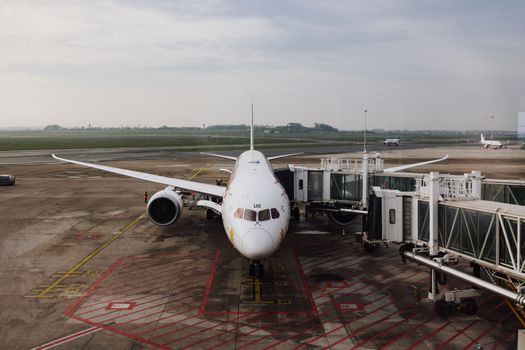 Photo: K / Pexels
Embarking on a journey from the bustling metropolis of Toronto to the picturesque coastal city of Vancouver is a popular endeavor for countless Canadians and international visitors alike. Whether you're traveling for business, visiting family, or seeking a memorable vacation amidst breathtaking natural beauty, securing the best flights to Vancouver from Toronto is often the first and most crucial step. This comprehensive guide aims to arm you with all the knowledge and strategies you need to find affordable, convenient, and comfortable air travel between these two iconic Canadian cities. The air route between Toronto Pearson International Airport (YYZ) and Vancouver International Airport (YVR) is one of the busiest domestic corridors in Canada, signifying a high demand but also a competitive market among airlines. Understanding this dynamic is key to unlocking savings and making informed decisions. Major carriers like Air Canada and WestJet dominate this route, offering frequent direct flights that whisk you across the country in approximately five hours. However, budget-conscious travelers also have excellent options with airlines such as Flair Airlines and Lynx Air, which often provide more economical fares, albeit sometimes with fewer amenities or less flexible schedules. The choice between a full-service carrier and a budget airline often boils down to your priorities: is it speed and comfort, or is it strictly about the lowest price? We'll delve into how to weigh these factors to suit your specific travel needs.
Timing is everything when it comes to booking flights. Generally, the sweet spot for finding cheaper flights to Vancouver from Toronto falls within the 1-3 month window before your departure date. This allows you to avoid last-minute price hikes while also taking advantage of early-bird promotions. However, this isn't a hard and fast rule; airlines occasionally release flash sales or special offers closer to the travel date, especially during off-peak seasons. Being flexible with your travel dates is perhaps the single most effective strategy for saving money. Flying mid-week (Tuesday, Wednesday, Thursday) or during the shoulder seasons (spring and fall) often results in significantly lower fares compared to peak summer months, holidays, or weekend travel. For instance, a flight in late September might be considerably cheaper than one in mid-July. Consider how your travel plans align with these seasonal variations and adjust accordingly if possible.
Beyond direct flights, you might encounter options with one or more layovers. While these can sometimes be cheaper, they add considerable time to your journey and introduce the risk of missed connections. For a cross-country flight of this duration, most travelers prioritize direct routes for efficiency. However, if budget is paramount and you have ample time, a layover could be a viable option. Always check the total travel time, including layovers, before committing. Furthermore, consider the time of day you fly. Early morning departures or late-night arrivals can sometimes be less expensive due to lower demand. However, factor in the logistics of getting to and from the airport at these unusual hours. Many travelers find that the convenience of a mid-day flight outweighs a small price difference. Ultimately, the best strategy for securing flights to Vancouver from Toronto involves a combination of early planning, flexibility, and diligent comparison shopping. By understanding the market and leveraging available tools, you can transform the often-stressful task of flight booking into a smooth and rewarding experience. For more general travel insights, explore our
comprehensive travel guides.
Finding the Best Deals: Strategies for Cheap Flights to Vancouver
 Photo: Garrison Gao / Pexels
The quest for cheap flights to Vancouver from Toronto is a common goal for many travelers, and while it might seem like a daunting task, several proven strategies can significantly reduce your airfare. One of the most effective methods is to leverage flight comparison websites. Platforms like Google Flights, Skyscanner, Kayak, and Expedia allow you to compare prices across multiple airlines and online travel agencies simultaneously. These tools often have features like price alerts, which notify you when fares drop for your desired route, and flexible date calendars that highlight the cheapest days to fly within a given month. Don't just stick to one platform; cross-referencing prices on a couple of different sites can sometimes reveal discrepancies or exclusive deals.
Another powerful strategy is to be flexible with your travel dates and times. As mentioned, mid-week travel (Tuesday, Wednesday, Thursday) is almost always cheaper than flying on weekends. Similarly, avoiding major holidays (Christmas, New Year's, Easter, Canada Day, Thanksgiving) and peak summer months (July and August) can lead to substantial savings. If your schedule allows, consider traveling in the shoulder seasons of spring (April-May) or fall (September-October), when the weather in Vancouver is still pleasant, and tourist crowds are thinner, leading to lower airfares and accommodation costs. Sometimes, even shifting your departure or arrival by a day or two can make a significant difference in price. Many flight search engines offer a 'flexible dates' option that visually displays price variations across an entire month or even year, making it easy to spot the cheapest days.
Consider the airports you're flying into and out of. While Toronto Pearson (YYZ) is the primary international hub, sometimes alternative airports like Billy Bishop Toronto City Airport (YTZ) might offer competitive prices, especially if you're flying with a regional carrier. However, YTZ primarily serves regional routes and may not have direct flights to Vancouver. On the Vancouver side, Vancouver International Airport (YVR) is the main gateway, so there are no real alternatives there. However, it's worth noting that sometimes flying into a nearby smaller city and taking ground transportation can be cheaper for international routes, but for Toronto to Vancouver, YVR is almost always the most sensible choice.
Don't forget about airline loyalty programs and credit card points. If you're a frequent flyer with Air Canada or WestJet, accumulating points can lead to free flights or significant discounts. Many travel-focused credit cards offer lucrative sign-up bonuses and ongoing rewards that can be redeemed for flights. Even if you don't fly frequently, signing up for airline newsletters can keep you informed about flash sales and exclusive promotions that are often sent directly to subscribers. These sales can sometimes offer discounts of 20-30% or more, making them an excellent way to snag a cheap flight. Finally, when comparing prices, always consider the total cost, including baggage fees, seat selection, and any other add-ons, especially when looking at budget airlines. What initially appears to be the cheapest fare might become more expensive once all the extras are factored in. Always read the fine print before booking to avoid surprises.
Understanding Airlines and Aircraft on the Toronto-Vancouver Route
 Photo: Michael Pointner / Pexels
When planning your flights to Vancouver from Toronto, it's beneficial to understand the major airlines operating this route and the types of aircraft they typically deploy. This knowledge can influence your comfort, baggage allowances, and overall travel experience. The primary carriers on the YYZ-YVR corridor are Air Canada, WestJet, Flair Airlines, and Lynx Air, each offering distinct services and price points. Air Canada, as the national flag carrier, operates numerous daily direct flights. They typically utilize a mix of Airbus A320 series (A320, A321) and Boeing 737 MAX aircraft for this route, and sometimes wide-body jets like the Boeing 787 Dreamliner or Airbus A330, especially during peak travel times or when connecting with international flights. These larger aircraft often provide more spacious seating, better in-flight entertainment systems, and a wider range of services, including various cabin classes like Economy, Premium Economy, and Business Class. Air Canada's extensive network means they also offer connecting flights, but direct is almost always preferred for this domestic journey. Their Aeroplan loyalty program is widely used and can be a significant benefit for frequent flyers.
WestJet, Canada's second-largest airline, also offers a robust schedule of direct flights between Toronto and Vancouver. Their fleet for this route primarily consists of Boeing 737 Next Generation (737-700, 737-800) and Boeing 737 MAX aircraft. WestJet is known for its friendly service and often provides a competitive balance between price and comfort. They offer Economy and Premium Economy options, with some aircraft featuring WestJet Connect, an in-flight entertainment system accessible via personal devices. Like Air Canada, WestJet has a strong loyalty program, WestJet Rewards, which allows members to earn and redeem WestJet Dollars for future travel. Both Air Canada and WestJet are full-service carriers, meaning their standard fares often include a carry-on bag, and checked baggage can be purchased. In-flight snacks and drinks are usually complimentary on Air Canada, while WestJet may offer a more limited complimentary selection with additional options for purchase.
For budget-conscious travelers, Flair Airlines and Lynx Air have emerged as popular choices. These ultra-low-cost carriers (ULCCs) focus on offering the lowest possible base fare, with virtually all amenities, including checked baggage, carry-on baggage (beyond a small personal item), seat selection, and in-flight refreshments, available for an additional fee. Flair Airlines primarily uses Boeing 737 MAX aircraft, while Lynx Air operates a fleet of Boeing 737 MAX 8 jets. While the base fares can be significantly cheaper, it's crucial to factor in all potential add-on costs to get a true comparison. If you're traveling light and don't require many extras, these airlines can offer incredible value. However, if you need to check a bag or prefer more legroom, the final cost might approach that of a full-service carrier. It's essential to read their baggage policies carefully before booking to avoid unexpected charges at the airport. Understanding these differences between the airlines and their typical offerings will help you make an informed decision that best suits your budget and comfort preferences for your flights to Vancouver from Toronto. For more detailed information on airport procedures, check out our guide on
seamless airport experiences.
Essential Tips for a Smooth Toronto-Vancouver Flight Experience
 Photo: 海风 张 / Pexels
Ensuring a smooth and stress-free journey when taking flights to Vancouver from Toronto involves more than just finding the cheapest ticket. From packing efficiently to navigating airport security, a few key tips can significantly enhance your travel experience.
**1. Pack Smart and Understand Baggage Policies:**
* **Carry-on vs. Checked:** For shorter trips, try to travel with just a carry-on to save on checked baggage fees and avoid waiting at the baggage carousel. Always check your airline's specific dimensions and weight limits for carry-on and personal items. Budget airlines are particularly strict and will charge hefty fees for oversized bags.
* **Liquids:** Remember the 3-1-1 rule for liquids in your carry-on: containers must be 3.4 ounces (100 milliliters) or less, fit in one quart-sized bag, and be limited to one bag per passenger.
* **Essentials:** Keep any essential medications, valuables, and important documents in your carry-on.
**2. Arrive Early for Your Flight:**
* **Domestic Travel:** For domestic flights within Canada, it's generally recommended to arrive at least 2 hours before your scheduled departure time. This gives you ample time for check-in, baggage drop, and security screening, especially at busy airports like Toronto Pearson (YYZ).
* **Peak Times:** During peak travel seasons, holidays, or early morning/late afternoon rush hours, consider adding an extra 30-60 minutes to your arrival time to account for longer lines.
**3. Expedite Security Screening:**
* **Pre-check/Nexus:** If you travel frequently, consider applying for programs like NEXUS, which provides expedited processing at Canadian and U.S. borders and airports. This can save you significant time in security lines.
* **Be Prepared:** Have your boarding pass and ID ready. Remove electronics from your bags, take off jackets and belts, and ensure liquids are in their clear, resealable bag before you reach the scanner.
**4. Stay Connected and Entertained:**
* **Download Content:** Before your flight, download movies, TV shows, podcasts, or e-books. While many airlines offer in-flight entertainment, having your own ensures you're never bored, especially on budget carriers that may not provide screens.
* **Portable Charger:** A portable power bank is invaluable for keeping your devices charged throughout your journey, especially if your aircraft doesn't have seat-back power outlets.
* **Wi-Fi:** Some airlines offer in-flight Wi-Fi for a fee. If staying connected is crucial, check the airline's offerings before you fly.
**5. Prioritize Comfort and Hydration:**
* **Dress in Layers:** Airplane cabins can vary in temperature. Dressing in layers allows you to adjust to changing conditions.
* **Stay Hydrated:** Air travel can be dehydrating. Drink plenty of water before, during, and after your flight. Bring an empty reusable water bottle to fill up after security.
* **Move Around:** On a 5-hour flight, it's a good idea to get up and stretch periodically to promote circulation.
By following these practical tips, your flights to Vancouver from Toronto can be as comfortable and hassle-free as possible, allowing you to arrive refreshed and ready to explore the West Coast.