
Navigating Canada Travel Restrictions COVID: Your Guide
Stay informed and travel confidently to Canada with this up-to-date guide on all COVID-related entry requirements and advisories.
Plan Your Trip NowKey Takeaways
- ✓ Most COVID-19 related entry restrictions for Canada have been lifted, but remain aware of potential changes.
- ✓ Travellers are no longer required to provide proof of vaccination or undergo testing upon arrival.
- ✓ The ArriveCAN app is no longer mandatory for entry into Canada, but can still be used for customs declarations.
- ✓ It is crucial to check the official Government of Canada website close to your travel date for the latest updates.
- ✓ Standard entry requirements (passport, visa if applicable) remain in effect for all travellers.
How It Works
Before planning, always consult the Government of Canada's official travel advisory website. This ensures you have the most current and accurate information directly from the source.
Confirm your eligibility to enter Canada based on your nationality and purpose of visit. Ensure you have all necessary travel documents like a valid passport and any required visas or eTAs.
While federal COVID-19 restrictions are largely lifted, provincial or territorial public health measures may still apply. Be aware of local guidelines regarding masks or isolation if you develop symptoms.
Organize all your documents, pack appropriately, and consider travel insurance. Being well-prepared reduces stress and ensures a smoother entry process into Canada.
Understanding Current Canada Travel Restrictions COVID Landscape
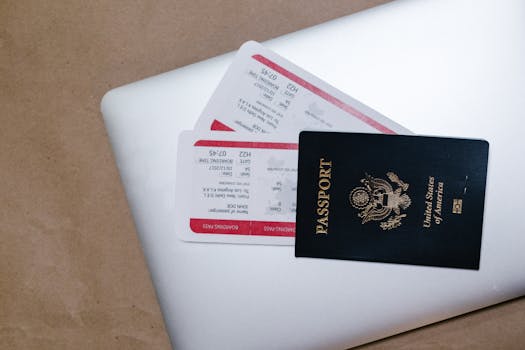 Photo: RDNE Stock project / Pexels
Key Changes and What They Mean for Your Entry to Canada
Preparing for Your Trip: Beyond COVID-19 Travel Restrictions
Common Mistakes to Avoid and Essential Tips for Travellers
- Not Checking Passport Validity: A surprisingly common oversight. Ensure your passport is valid for at least six months beyond your intended departure. Some countries strictly enforce this, and an expired or soon-to-expire passport can lead to denied boarding or entry.
- Forgetting eTA/Visa: Many visa-exempt travellers assume they don't need any pre-authorization. However, an eTA is mandatory for air travel for most visa-exempt foreign nationals. Apply for it directly through the official Government of Canada website to avoid scams and ensure validity.
- Ignoring Provincial/Territorial Guidelines: While federal COVID-19 rules are lifted, provincial public health measures can still exist, particularly regarding mask mandates in healthcare settings or recommendations for self-isolation if symptomatic. Always check local health authority websites for your specific destination.
- Underestimating Travel Time/Distances: Canada is enormous. Distances between major cities and attractions can be vast. Plan your itinerary realistically and factor in ample travel time, especially if driving.
- Not Having Travel Insurance: Canadian healthcare is not free for visitors. A medical emergency can be financially devastating. Comprehensive travel insurance is a non-negotiable for peace of mind.
- Not Declaring Goods: Be honest and accurate when completing your customs declaration. Failure to declare certain items can lead to fines, seizure of goods, or even more severe penalties.
- Relying Solely on Mobile Data: Connectivity can be spotty in remote areas. Download offline maps and essential documents (e.g., flight tickets, hotel reservations) to your device as a backup.
Essential Tips:
- Use ArriveCAN (Optional for Customs): While no longer mandatory for health screening, the optional Advance CBSA Declaration feature in the ArriveCAN app can save you time at select major airports by allowing you to submit your customs declaration in advance.
- Keep Copies of Important Documents: Store digital and physical copies of your passport, visa/eTA, and travel insurance policy in separate locations.
- Notify Your Bank: Inform your bank and credit card companies of your travel plans to avoid having your cards flagged for suspicious activity and blocked.
- Pack for All Seasons: Depending on the time of year and region, Canadian weather can be unpredictable. Layering is key.
- Learn Basic French Phrases (for Quebec): While English is widely spoken, a few French phrases can go a long way in Quebec.
- Stay Hydrated and Sun Protected: Even in cooler climates, sun exposure can be significant, especially at higher altitudes or near water.
Comparison
| Feature | Current Status (Post-Oct 2022) | Pre-Oct 2022 Status | Standard Pre-Pandemic |
|---|---|---|---|
| Proof of Vaccination | Not required | Mandatory for most | Not applicable |
| Pre-Entry Testing | Not required | Required for unvaccinated | Not applicable |
| On-Arrival Testing | Not required | Random mandatory testing | Not applicable |
| Mandatory Quarantine | Not required | Required for unvaccinated/positive | Not applicable |
| ArriveCAN App Submission | Optional (for customs) | Mandatory (for health) | Not applicable |
| Valid Passport | Required | Required | Required |
| eTA/Visa | Required (if applicable) | Required (if applicable) | Required (if applicable) |
| Travel Insurance | Recommended | Highly Recommended | Recommended |
What Readers Say
"Travelling to Canada was so much easier this year. No more worries about Canada travel restrictions COVID tests or vaccine proofs. The border crossing was quick and straightforward, just like before the pandemic."
Sarah J. · Seattle, WA"I was concerned about navigating Canada travel restrictions COVID rules, but this guide clarified everything. My trip was seamless, and I didn't need to use the ArriveCAN app for health info, which was a relief."
Mark D. · London, UK"Thanks to understanding the current Canada travel restrictions COVID situation, I booked my trip with confidence. No unexpected issues at the airport, and I enjoyed my vacation without any health-related entry hassles."
Elisa R. · Paris, France"While the federal Canada travel restrictions COVID measures are lifted, I still checked my provincial destination's health site, which gave me extra peace of mind. Overall, a very positive travel experience."
David L. · Sydney, Australia"I travelled for business, and the absence of complex Canada travel restrictions COVID rules made my journey much more efficient. It felt like a return to normal, allowing me to focus on my work."
Chen W. · Beijing, ChinaFrequently Asked Questions
Are there any current COVID-19 related entry restrictions for Canada?
No, as of October 1, 2022, all COVID-19 border requirements for all travellers entering Canada were lifted. This means you no longer need to provide proof of vaccination, undergo testing, or quarantine for COVID-19 reasons.
Do I still need to use the ArriveCAN app for my trip to Canada?
The ArriveCAN app is no longer mandatory for entry into Canada. However, you can still use the optional Advance CBSA Declaration feature within the app to submit your customs and immigration declaration in advance at select major airports, which can help speed up your processing time.
What documents do I need to enter Canada now?
You will need a valid passport. Depending on your nationality, you may also require an Electronic Travel Authorization (eTA) if flying, or a temporary resident visa (TRV). Always check the official Government of Canada website for specific requirements based on your country of citizenship.
Is travel insurance still recommended given the lifted restrictions?
Yes, comprehensive travel medical insurance is always highly recommended when traveling to Canada. While COVID-19 specific entry requirements are lifted, medical emergencies can still occur, and Canadian healthcare can be very expensive for non-residents. Insurance provides crucial financial protection.
How do Canada's current rules compare to other countries?
Canada's current travel rules are largely in line with many other countries that have also lifted their pandemic-era entry restrictions. Most focus has returned to standard immigration and customs procedures, with an emphasis on personal responsibility for health rather than government mandates.
Who should be most careful when planning travel to Canada now?
Travellers should always exercise caution, but particularly those with pre-existing health conditions, or those who might be travelling from regions with active disease outbreaks (non-COVID). It's also important for those who require visas to apply well in advance, as processing times can vary.
What if I test positive for COVID-19 while in Canada?
While there are no federal isolation requirements for travellers, you should follow provincial or territorial public health recommendations. These often include isolating if you test positive, wearing a mask, and notifying close contacts to prevent further spread. Consult local health authority websites for specific guidance.
Are there any future trends for Canada travel restrictions COVID-related?
While current trends indicate a continued return to pre-pandemic travel norms, governments reserve the right to reinstate measures if new variants or significant public health threats emerge. It's always wise to check official government sources close to your travel date for the very latest information.
Stay informed and travel with confidence. By understanding the current Canada travel restrictions COVID landscape, you can ensure a smooth and enjoyable journey. Always refer to official government sources for the most up-to-date information before and during your trip.