Your Ultimate Canada Travel Guide for First Timers

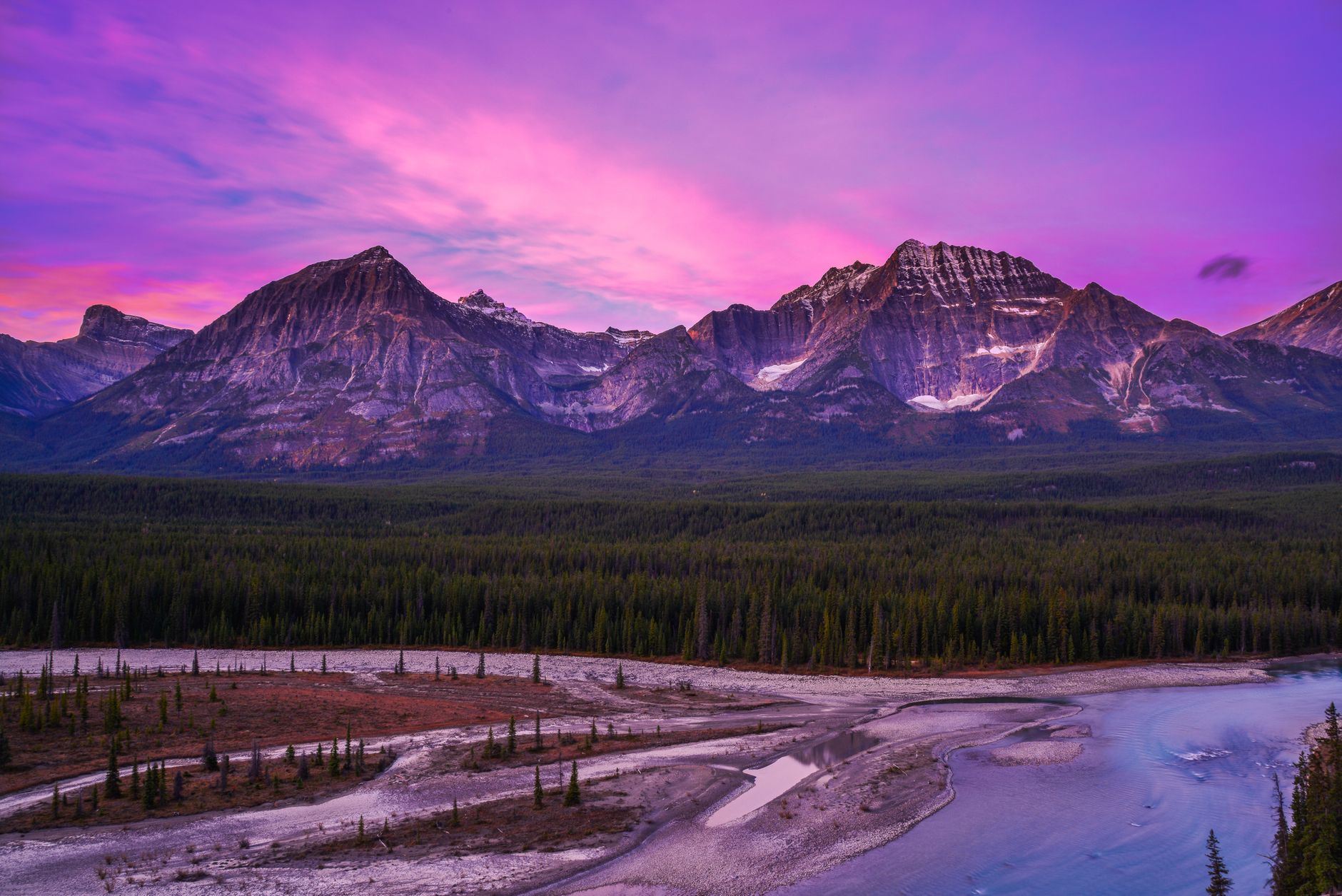
Breathtaking view of the Canadian Rockies at sunset with a vibrant purple sky.Photo: Nunzio Guerrera / Pexels

Your Ultimate Canada Travel Guide for First Timers

Embark on an extraordinary journey across Canada with confidence, discovering its diverse landscapes and vibrant cities.

Start Your Canadian Adventure

Key Takeaways

  • ✓ Canada is the second-largest country in the world by total area.
  • ✓ It boasts 10 provinces and 3 territories, each with distinct cultures and landscapes.
  • ✓ English and French are Canada's two official languages.
  • ✓ The Canadian dollar (CAD) is the official currency.

How It Works

1
Define Your Canadian Dream

Consider what kind of experience you're seeking: urban exploration, wilderness adventure, cultural immersion, or a mix. This will help narrow down your destination choices and activity preferences.

2
Plan Your Logistics & Budget

Research visa requirements, flight options, accommodation types, and transportation within Canada. Establish a realistic budget covering flights, lodging, food, activities, and emergencies.

3
Craft Your Itinerary

Based on your interests and budget, create a flexible itinerary that balances travel time with exploration. Don't overschedule; allow for spontaneity and relaxation.

4
Pack Smart & Prepare

Check the weather for your chosen season and region, and pack accordingly, layering is key. Purchase travel insurance, inform your bank of your travel plans, and learn a few basic French phrases if visiting Quebec.

Understanding Canada's Vast and Diverse Regions

Close-up view of two miniature house figurines placed on a map of Quebec, Canada.Photo: Lara Jameson / Pexels
Canada, a land of immense beauty and incredible diversity, often overwhelms first-time visitors with its sheer scale. Spanning from the Atlantic to the Pacific and northward into the Arctic Ocean, the country offers a myriad of experiences. To truly appreciate what Canada has to offer, it's crucial to understand its distinct geographical and cultural regions. Each region presents its own unique charm, climate, and attractions, making it essential to tailor your travel plans to your interests and the time of year. Starting on the East Coast, the Atlantic Provinces – Nova Scotia, New Brunswick, Prince Edward Island, and Newfoundland & Labrador – are renowned for their rugged coastlines, charming fishing villages, rich maritime history, and some of the friendliest people you'll ever meet. Think fresh seafood, lighthouses, and Celtic music. Moving inland, Central Canada is home to the two largest provinces by population: Ontario and Quebec. Ontario boasts vibrant metropolises like Toronto, with its iconic CN Tower, and the natural wonder of Niagara Falls. Quebec, with its distinct French culture, offers the historic charm of Quebec City and the cosmopolitan flair of Montreal, a city celebrated for its festivals and culinary scene. This region is often a great starting point for those looking for a blend of urban exploration and natural beauty. Discover the best of Canadian cities. Further west, the Prairie Provinces – Manitoba, Saskatchewan, and Alberta – present a stark contrast with their vast, fertile plains, big skies, and agricultural heritage. However, Alberta also dramatically shifts to the majestic Rocky Mountains, home to Banff and Jasper National Parks, which are world-famous for their turquoise lakes, glaciers, and abundant wildlife. This area is a haven for outdoor enthusiasts, offering hiking, skiing, and breathtaking scenic drives. Finally, British Columbia, on the Pacific Coast, is characterized by its stunning mountains, lush rainforests, and vibrant coastal cities like Vancouver and Victoria. It's a paradise for nature lovers, offering everything from whale watching and kayaking to skiing and wine tasting. The northern territories – Yukon, Northwest Territories, and Nunavut – offer unparalleled wilderness experiences, including the Northern Lights, unique Indigenous cultures, and Arctic wildlife. Each region is a world unto itself, providing a unique slice of the Canadian mosaic. Understanding these regional differences is the first step in planning an unforgettable first-time trip to Canada, ensuring your adventure aligns perfectly with your travel aspirations.

Essential Planning for Your First Canadian Adventure

Embarking on your first trip to Canada requires careful planning to ensure a smooth and enjoyable experience. Given the country's vastness and diverse climates, meticulous preparation is key. One of the initial steps is to address entry requirements. Depending on your nationality, you might need a visa or an Electronic Travel Authorization (eTA). It's crucial to check the official Government of Canada website well in advance of your departure. Ensure your passport is valid for at least six months beyond your intended stay. Immigration and customs procedures are generally straightforward, but having all your documentation in order will expedite the process. Once entry is secured, focus on transportation. If you're flying into Canada, major international airports include Toronto Pearson (YYZ), Vancouver International (YVR), and Montreal-Trudeau (YUL). For domestic travel, flying between major cities is often the most time-efficient option, though long-distance train travel with VIA Rail offers scenic routes and a unique experience. Renting a car is highly recommended for exploring national parks and more remote areas, providing flexibility and access to stunning landscapes. Remember that Canada drives on the right side of the road, and distances between destinations can be significant. Familiarize yourself with Canadian road signs and speed limits, which are typically in kilometers per hour. Accommodation options in Canada are incredibly varied, ranging from luxury hotels in urban centers to charming bed and breakfasts, rustic cabins, and campgrounds in national parks. Booking well in advance, especially for popular destinations and during peak seasons (summer and ski season), is highly advisable to secure your preferred lodging and potentially better rates. Consider the type of experience you desire; do you want to be in the heart of a bustling city, or surrounded by nature? Your choice of accommodation can significantly shape your trip. Finally, budgeting for your trip is paramount. Canada can be an expensive destination, particularly in major cities and popular tourist areas. Factor in costs for flights, accommodation, transportation, food, activities, and travel insurance. A good rule of thumb is to allocate a daily budget and track your spending. While tipping is customary in Canada for services like restaurants, taxis, and hairdressers (typically 15-20%), understanding local customs will help you navigate your expenditures. Having a mix of credit cards (widely accepted) and some Canadian cash for smaller purchases is a sensible approach. By diligently planning these essential elements, your first Canadian adventure will be set up for success and unforgettable memories.

Navigating Canadian Culture and Practicalities for an Enjoyable Trip

Beyond the logistical planning, understanding Canadian culture and practical aspects can greatly enhance your first-time visit. Canadians are generally known for their politeness, friendliness, and multiculturalism. While English and French are the official languages, you'll find a tapestry of cultures and languages across the country, particularly in major cities. In Quebec, French is the primary language, and while many people in tourist areas speak English, attempting a few basic French phrases will be greatly appreciated. Elsewhere, English is dominant. Embracing this cultural mosaic and showing respect for local customs will lead to a more enriching experience. Learn more about respectful travel practices. When it comes to communication, mobile phone coverage is generally excellent in populated areas, but can be spotty or non-existent in remote regions, especially in national parks or the North. Consider purchasing a local SIM card upon arrival or checking with your home provider about international roaming plans. Wi-Fi is widely available in hotels, cafes, and public spaces. Electrical outlets in Canada use Type A and Type B sockets (two flat parallel pins or two flat parallel pins with a grounding pin), operating on a 120V supply voltage and 60Hz. If you're coming from a country with different standards, you'll need a power adapter and potentially a voltage converter. Canadian cuisine is a delightful blend of international influences and local specialties. Don't leave without trying poutine (fries with cheese curds and gravy), maple syrup products, fresh seafood on the coasts, and a Nanaimo bar. Remember that alcohol consumption laws vary by province and territory, with the legal drinking age typically 18 or 19. Public consumption of alcohol outside licensed premises is generally prohibited. Smoking regulations are also strict, with smoking banned in most indoor public places. Safety in Canada is generally very high, but like any travel destination, it's wise to be aware of your surroundings, especially in busy urban areas. In wilderness regions, be prepared for wildlife encounters and always follow park regulations and safety advisories. Weather can be unpredictable and change rapidly, particularly in mountainous regions, so always check forecasts and pack layers. Summers can be hot, especially in central Canada, while winters are famously cold, with significant snowfall. Being prepared for varying conditions is paramount. Having travel insurance is not just recommended, it's essential for any international trip, covering potential medical emergencies, trip cancellations, or lost luggage. By familiarizing yourself with these cultural nuances and practicalities, your first Canadian journey will be not only smooth but deeply rewarding, allowing you to immerse yourself fully in the Canadian way of life.

Top Tips and Common Mistakes for First-Time Canada Travelers

To make your first Canadian adventure truly unforgettable and avoid common pitfalls, here are some invaluable tips and common mistakes to sidestep: **Top Tips:** * **Embrace the Great Outdoors:** Canada is synonymous with nature. Dedicate a significant portion of your trip to exploring its national and provincial parks. Whether it's hiking, kayaking, or simply enjoying scenic drives, these experiences are quintessential Canadian. * **Learn Basic French Phrases:** Especially if visiting Quebec, a simple 'Bonjour,' 'Merci,' and 'S'il vous plaît' can go a long way in showing respect and enhancing interactions. * **Book Accommodations and Activities in Advance:** Popular spots, especially during peak season (summer, ski season), fill up quickly. Secure your bookings months ahead to avoid disappointment and potentially higher prices. * **Dress in Layers:** Canadian weather is notoriously changeable, even within a single day. Layering allows you to adapt to fluctuating temperatures and conditions. * **Carry a Reusable Water Bottle:** Tap water is safe to drink across Canada, and staying hydrated is important, especially when active. This also helps reduce plastic waste. * **Buy Travel Insurance:** This is non-negotiable. Medical costs can be exorbitant without it, and it provides peace of mind for unexpected events like lost luggage or trip cancellations. * **Factor in Travel Time:** Canada is enormous. Do not underestimate driving distances or the time it takes to get from one major city or natural attraction to another. Plan for longer travel days than you might expect. **Common Mistakes to Avoid:** * **Trying to See Too Much:** A common error is attempting to cover too many regions in a short period. This leads to rushed experiences and more time traveling than exploring. Focus on one or two regions to truly appreciate them. * **Ignoring Wildlife Safety:** While exciting, wildlife encounters require caution. Never approach or feed wild animals. Store food securely when camping and be aware of bear safety protocols in national parks. * **Underestimating the Weather:** Even in summer, evenings can be cool, especially in the mountains. In winter, temperatures can drop dramatically. Always check local forecasts and pack appropriately. * **Not Carrying Identification:** Always carry a valid form of ID, preferably your passport, as it may be required for various services, purchases, and entry into certain establishments. * **Forgetting Adapters/Converters:** If your home country uses different electrical outlets or voltage, you'll need the right adapter or converter to charge your devices. * **Relying Solely on Your Phone for Navigation:** While helpful, cell service can be unreliable in remote areas. Download offline maps or carry a physical map as a backup, especially when hiking or driving in less populated regions. * **Not Tipping Appropriately:** Tipping is an integral part of the service industry in Canada. Failing to tip or tipping too little can be seen as disrespectful.

Comparison

FeatureEast Coast (e.g., Nova Scotia)Central Canada (e.g., Ontario/Quebec)Western Canada (e.g., BC/Alberta)
Main DrawMaritime charm, seafood, historyUrban culture, Niagara Falls, French heritageMountains, national parks, Pacific coast
Best Time to VisitSummer (June-Sept)Summer (June-Sept), Fall (Sept-Oct)Summer (June-Sept), Winter (Dec-March for skiing)
Cost LevelMediumMedium-HighHigh
Primary ActivitiesWhale watching, exploring fishing villages, historical sitesCity tours, festivals, natural wonders, fine diningHiking, skiing, wildlife viewing, city exploration
Public TransportLimited outside major citiesExcellent in major cities (Toronto, Montreal)Good in major cities (Vancouver), car recommended for parks

What Our Readers Say

5 ★★★★★

"This Canada travel guide for first timers was a lifesaver! I felt so prepared for my trip to the Rockies and Vancouver. The tips on packing and regional differences were spot on, making my first Canadian journey truly seamless."

5 ★★★★★

"As a first-time visitor, I was overwhelmed by Canada's size. This guide helped me narrow down my focus to Quebec and Ontario, and the cultural insights were incredibly helpful. Highly recommend for anyone planning their initial Canadian adventure."

5 ★★★★★

"Thanks to this guide, I avoided common mistakes like over-scheduling and underestimating travel times. My first trip to Canada, focusing on Banff and Jasper, was an absolute dream, allowing me to fully immerse myself in the stunning landscapes."

4 ★★★★☆

"The Canada travel guide for first timers provided excellent foundational knowledge. While I still did some additional research, the regional breakdown and practical tips on currency and tipping were very beneficial for my cross-country road trip."

5 ★★★★★

"Coming from a different climate, the advice on layering and understanding Canadian weather was invaluable. This guide made my family's first winter trip to Canada, including a visit to Niagara Falls, an incredibly well-prepared and joyous occasion."

Frequently Asked Questions

What is the best time of year for a first-time trip to Canada?
The best time largely depends on your interests. Summer (June-September) is ideal for outdoor activities, national parks, and city exploration, with warmer weather across most regions. Fall (September-October) offers stunning foliage, especially in Eastern Canada. Winter (December-March) is perfect for skiing and experiencing festive city lights, particularly if you enjoy cold weather activities.
Is Canada safe for first-time solo travelers?
Yes, Canada is generally considered one of the safest countries in the world for solo travelers. Crime rates are low, and Canadians are typically friendly and helpful. Exercise common sense, especially in urban areas at night, and inform someone of your itinerary when venturing into remote wilderness areas.
How do I get around Canada without a car?
For inter-city travel, domestic flights are efficient for long distances, and VIA Rail offers scenic train journeys. Major cities have excellent public transit systems (buses, subways, streetcars). For exploring national parks or rural areas, joining organized tours or renting a car for specific legs of your journey is often necessary, as public transport can be limited outside urban centers.
How much does a first-time trip to Canada typically cost?
Costs vary greatly depending on your travel style, duration, and chosen destinations. A moderate budget for a comfortable trip (mid-range accommodation, dining, and activities) could range from CAD $150-300 per person per day, excluding international flights. Budget travelers might manage on less, while luxury trips will be significantly higher. Factor in transportation, food, activities, and accommodation.
Should I focus on one region or try to see multiple provinces on my first trip?
For a first-time visit, it's generally recommended to focus on one or two specific regions (e.g., West Coast, Central Canada, or the Maritimes) rather than attempting to cover the entire country. Canada is vast, and trying to see too much will lead to excessive travel time and a rushed experience. By concentrating on a smaller area, you can delve deeper into its culture and natural beauty.
Who should use this Canada travel guide for first timers?
This guide is specifically designed for individuals or groups planning their very first trip to Canada. It's ideal for those seeking comprehensive, practical advice on everything from planning logistics and understanding regional differences to cultural insights and avoiding common travel mistakes, ensuring a smooth and enjoyable introduction to Canada.
What should I do if I encounter wildlife in Canada's national parks?
Always maintain a safe distance from wildlife, never approach or feed animals. Carry bear spray and know how to use it in bear country. Make noise while hiking to avoid surprising animals. Report any aggressive wildlife encounters to park staff. Following park guidelines and respecting animal habitats is crucial for both your safety and the animals' well-being.
Are there any future trends in Canadian travel that first-timers should be aware of?
Sustainable and eco-friendly travel is a growing trend, with an increasing focus on responsible tourism practices and supporting local Indigenous communities. Digital nomad visas and remote work opportunities are also becoming more prevalent. Additionally, 'slow travel' is gaining popularity, encouraging deeper immersion in specific regions rather than rapid, multi-city itineraries.

Armed with this comprehensive Canada travel guide for first timers, you're now ready to plan an extraordinary journey. Don't just dream about Canada's breathtaking landscapes and vibrant cities – start turning that dream into a reality and create memories that will last a lifetime.

Topics: canada travel guide for first timersfirst time canada triptraveling to canada tipscanada vacation planningexplore canada
Leo List
Brampton weed
Adultwork