Your Ultimate Canada Travel Guide for First Timers
June 22, 2026 15 min read 2,925 words
Unlock the magic of Canada with this essential guide, ensuring a seamless and spectacular first-time adventure.
Start Your Canadian Journey
Understanding Canada's Diverse Regions and Climate
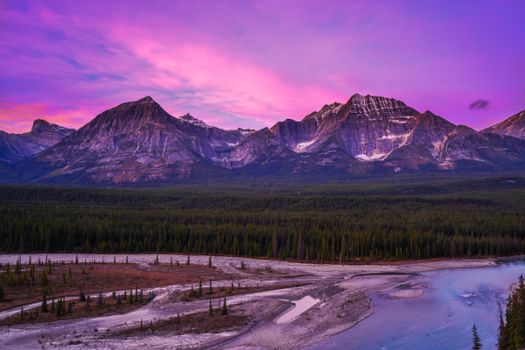 Photo: Nunzio Guerrera / Pexels
Embarking on your first Canadian adventure means understanding the sheer scale and diversity this incredible country offers. Canada isn't just one type of landscape or climate; it's a mosaic of distinct regions, each with its own unique charm, activities, and weather patterns. From the rugged coastlines of the Atlantic to the majestic peaks of the Rockies and the vibrant urban centers, choosing where to go is your first exciting challenge.
Let's break down the major regions. The Maritimes (Nova Scotia, New Brunswick, Prince Edward Island, Newfoundland and Labrador) on the East Coast are renowned for their picturesque fishing villages, fresh seafood, and Celtic heritage. Summers here are mild and pleasant, ideal for coastal drives and whale watching. Winters can be harsh, but offer unique snowshoeing and cross-country skiing opportunities.
Central Canada, encompassing Quebec and Ontario, is home to the country's largest cities: Toronto, Montreal, and Ottawa. These provinces offer a blend of historical sites, world-class museums, culinary delights, and vibrant arts scenes. Quebec, with its strong French culture, feels like a piece of Europe nestled in North America. Summers here are warm and humid, perfect for exploring city parks and patios, while winters bring abundant snow, transforming cities into winter wonderlands and offering excellent opportunities for ice skating and skiing.
Moving west, the Prairies (Manitoba, Saskatchewan, Alberta) showcase vast expanses of farmland, big skies, and surprisingly diverse ecosystems. Alberta, in particular, is famous for the Canadian Rockies, home to Banff and Jasper National Parks. This region is a paradise for outdoor enthusiasts, offering unparalleled hiking, skiing, and wildlife viewing. Summers are warm and dry, while winters are cold and snowy, making it a prime destination for winter sports.
Finally, British Columbia on the Pacific Coast boasts a milder, wetter climate, characterized by lush rainforests, stunning coastlines, and cosmopolitan Vancouver. It's an outdoor playground year-round, with opportunities for skiing in Whistler in winter and hiking, kayaking, and surfing in summer. The Yukon, Northwest Territories, and Nunavut, collectively known as the North, offer truly unique experiences like viewing the Northern Lights, dog sledding, and exploring Indigenous cultures. However, travel to these remote areas requires more extensive planning and a higher budget.
When planning your
Canadian itinerary, consider the season. Summer (June-August) is peak tourist season, offering warm weather across most of the country and access to all outdoor activities. Fall (September-October) brings spectacular foliage, especially in Eastern Canada, and fewer crowds. Winter (November-March) is ideal for snow sports and experiencing Canadian winter culture, while spring (April-May) is a transitional period with melting snow and budding nature, often offering good deals on travel. Understanding these regional and seasonal differences is crucial for first-timers to tailor an unforgettable Canadian experience.
Essential Pre-Trip Planning and Documentation
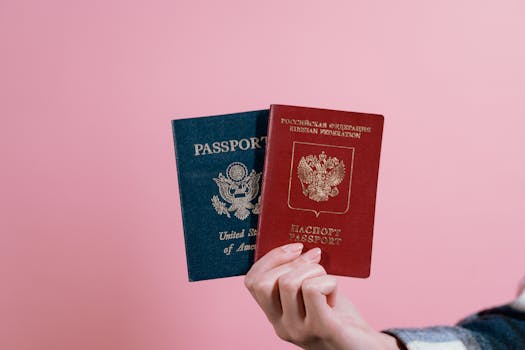 Photo: Tima Miroshnichenko / Pexels
Before you can immerse yourself in Canada's breathtaking landscapes and vibrant cities, some essential pre-trip planning and documentation are required. Overlooking these crucial steps can lead to unnecessary stress or even denied entry, so it’s vital to get them right.
First and foremost, your passport. Ensure it is valid for at least six months beyond your intended departure date from Canada. This is a standard international travel requirement, and many countries will deny entry if your passport is set to expire too soon. Check your passport's expiry date well in advance to allow time for renewal if needed.
Next, determine your entry requirements. For many visitors, particularly those from visa-exempt countries (like the United States, most EU countries, Australia, New Zealand, and others), an Electronic Travel Authorization (eTA) is mandatory for air travel to Canada. This is a small, online application that costs CAD$7 and is usually approved within minutes. It's electronically linked to your passport and is valid for five years or until your passport expires, whichever comes first. Be wary of unofficial websites charging exorbitant fees for eTA applications; always use the official Government of Canada website. If you are travelling by land or sea from the U.S., an eTA is not required, but you will still need a valid passport.
For citizens of countries that do require a visa, the application process is more involved and takes significantly longer. You’ll need to apply for a Temporary Resident Visa (TRV) through a Canadian visa office. This typically requires submitting various documents, including proof of funds, a detailed itinerary, and potentially biometrics. Start this process several months before your planned departure to avoid delays.
Travel insurance is another non-negotiable item for any first-time visitor to Canada. While Canada has an excellent healthcare system, it is not free for visitors. A simple medical emergency, such as a broken bone or sudden illness, can result in tens of thousands of dollars in hospital bills. Comprehensive travel insurance should cover emergency medical expenses, trip cancellation or interruption, lost luggage, and emergency evacuation. Read the policy details carefully to understand what is covered and any exclusions.
Consider your currency and banking. The Canadian Dollar (CAD) is the official currency. It's wise to inform your bank and credit card companies of your travel plans to prevent them from flagging your transactions as suspicious and freezing your cards. Many places accept major credit cards (Visa, Mastercard, American Express), and ATMs are widely available. Carrying a small amount of Canadian cash for smaller purchases or tips is also a good idea.
Finally, think about connectivity. While Wi-Fi is common in hotels and cafes, having mobile data is incredibly useful for navigation, communication, and emergencies. You can purchase a local SIM card upon arrival, use an eSIM (if your phone supports it), or check with your home mobile provider about international roaming packages. Preparing these details meticulously will lay a solid foundation for a stress-free and enjoyable Canadian adventure.
Navigating Canada: Transportation, Accommodation, and Budgeting
 Photo: apertur 2.8 / Pexels
Successfully navigating Canada requires a strategic approach to transportation, accommodation, and budgeting, especially for first-timers who might underestimate the country's vastness and the potential costs.
When it comes to transportation, your choices will largely depend on your itinerary and budget. For covering long distances between major cities, flying is often the most practical option. Canada has several major airlines, including Air Canada, WestJet, and Porter Airlines, offering domestic routes. Booking in advance can secure better prices, and consider flying into smaller regional airports if your destination is outside the main hubs.
For exploring specific regions or national parks, renting a car offers unparalleled flexibility. This is particularly true for road trips through the Canadian Rockies, the Cabot Trail in Nova Scotia, or the scenic routes of British Columbia. Ensure you have a valid driver's license (an International Driving Permit might be required depending on your home country) and understand Canadian driving laws, including speed limits (posted in km/h) and right-on-red rules (generally allowed unless otherwise posted). Be mindful of fuel costs, which can vary significantly by province.
Public transportation within major cities like Toronto, Montreal, and Vancouver is excellent, featuring subway systems, buses, and streetcars. This is often the most efficient and cost-effective way to get around urban areas. For inter-city travel within a region, buses (like those operated by Greyhound or regional carriers) can be a more affordable alternative to flying, though they take considerably longer. Train travel with VIA Rail Canada offers a scenic, albeit more expensive, experience, connecting many major cities and offering routes through stunning landscapes.
Accommodation options in Canada are as diverse as its landscapes. You'll find everything from luxury hotels and boutique inns in urban centers to charming bed and breakfasts, rustic cabins in national parks, and budget-friendly hostels. For a unique experience, consider glamping or staying in a wilderness lodge. During peak seasons (summer and major holidays), popular accommodations, especially in tourist hotspots like Banff or Niagara Falls, book up months in advance. Always reserve your lodging well ahead of time. Websites like Booking.com, Expedia, and Airbnb are popular for finding and booking places to stay.
Budgeting for your Canadian trip requires careful consideration. Canada can be an expensive destination, particularly in major cities and popular tourist areas. A realistic daily budget for a comfortable trip (mid-range accommodation, meals, activities, and some transportation) could range from CAD$150-300 per person, excluding flights to and from Canada.
To save money, consider cooking some of your meals if your accommodation has kitchen facilities. Look for free activities like hiking, exploring public parks, or visiting free museums. Many attractions offer student or senior discounts, so always inquire. Eating out can be pricey, especially with tipping (15-20% is standard for good service). Factor in taxes (GST/HST varies by province) which are added to most goods and services. A
well-planned budget will ensure your Canadian adventure is enjoyable without breaking the bank.
Practical Tips for a Smooth First-Time Canadian Journey
Ensuring a smooth and enjoyable first-time trip to Canada goes beyond booking flights and hotels. These practical tips will help you navigate cultural nuances, stay safe, and make the most of your adventure.
* **Learn Basic French Phrases (Especially for Quebec):** While English is widely spoken across Canada, Quebec is predominantly French-speaking. Learning a few basic phrases like 'Bonjour' (Hello), 'Merci' (Thank you), 'S'il vous plaît' (Please), and 'Parlez-vous anglais?' (Do you speak English?) will go a long way in showing respect and enhancing your experience in the province. Even outside Quebec, a friendly 'Bonjour' is always appreciated.
* **Dress in Layers:** Canadian weather can be unpredictable and vary significantly even within a single day or region. Dressing in layers allows you to adapt to changing temperatures, whether you're transitioning from a cool morning hike to a warm afternoon city stroll, or dealing with the difference between indoor heating and outdoor chill. Include waterproof outerwear, even in summer.
* **Understand Tipping Culture:** Tipping is customary and expected in service industries. A standard tip for good service in restaurants, bars, and for taxi drivers is 15-20% of the pre-tax bill. For other services like hotel porters or hairdressers, a smaller amount (e.g., $2-5) is appropriate. Failure to tip adequately can be seen as impolite.
* **Stay Hydrated and Sun Protected:** Even in cooler temperatures, hiking and outdoor activities can lead to dehydration. Carry a reusable water bottle. The Canadian sun, especially at higher altitudes or near water, can be strong. Always use sunscreen, wear a hat, and sunglasses.
* **Be Wildlife Aware:** If you're venturing into national parks or wilderness areas, you'll likely encounter wildlife. Research local wildlife safety guidelines, especially regarding bears. Carry bear spray (and know how to use it) if recommended for your hiking area, make noise on trails, and never feed wild animals. Keep a safe distance and store food securely.
* **Respect Indigenous Cultures:** Canada is home to a rich tapestry of Indigenous cultures. Be respectful of their traditions, art, and historical sites. If visiting an Indigenous community or cultural center, follow any specific guidelines provided and engage with an open mind.
* **Know Emergency Numbers:** The universal emergency number in Canada for police, fire, and ambulance is 911. Program this into your phone. It's also wise to have contact information for your embassy or consulate.
* **Don't Underestimate Distances:** As mentioned, Canada is enormous. What looks like a short drive on a map can take many hours. Plan your driving times realistically and factor in breaks. Google Maps or other navigation apps are essential.
* **Buy a National Parks Pass:** If you plan on visiting multiple national parks, consider purchasing a Parks Canada Discovery Pass. It offers unlimited admission to over 80 Parks Canada places for a full year and can save you money compared to daily passes.
* **Embrace the Local Cuisine:** Don't leave Canada without trying some local delicacies! Poutine (fries, cheese curds, gravy) is a must-try, especially in Quebec. Explore fresh seafood on the coasts, maple syrup products, Nanaimo bars, and perhaps even a BeaverTail pastry. Food is a huge part of the travel experience!
By keeping these tips in mind, your first Canadian journey will be not just memorable, but also smooth, safe, and truly enriching.