✓ Canada is the second-largest country by land area, offering diverse landscapes.
✓ A 2-week road trip typically focuses on a specific region (East or West) rather than crossing the entire country.
✓ Summers (June-September) offer the best weather for road tripping, but shoulder seasons can be beautiful and less crowded.
✓ Pre-booking accommodations and popular attractions is highly recommended, especially during peak season.
How It Works
1
Choose Your Region
Decide between exploring Western Canada's mountains and coastlines or Eastern Canada's historic cities and maritime charm. This initial choice significantly shapes your entire journey.
2
Map Your Route & Stops
Outline your daily drives, key attractions, and overnight stays. Balance driving time with exploration to avoid feeling rushed and ensure you experience each destination fully.
3
Book Essentials
Secure your rental car (if needed), accommodations, and any high-demand tours or national park passes well in advance. This prevents disappointment and often saves money.
4
Prepare & Pack Smart
Organize your documents, download offline maps, and pack layers of clothing suitable for varied weather. Don't forget essentials like a first-aid kit, snacks, and entertainment for the road.
Crafting Your Dream Western Canada Road Trip: 14 Days of Majesty
Photo: Jonathan Cooper / Pexels
Embarking on a Canada road trip itinerary 2 weeks through Western Canada promises an unparalleled journey through some of the world's most dramatic and breathtaking natural landscapes. This region, primarily encompassing British Columbia and Alberta, is famous for its towering Rocky Mountains, turquoise glacial lakes, lush rainforests, and vibrant coastal cities. A 14-day itinerary here demands a strategic approach to maximize your experience without feeling rushed, balancing iconic sights with opportunities for spontaneous discovery. The key to a successful Western Canada adventure lies in embracing the vastness and diversity of the terrain, understanding that each turn in the road brings a new vista.
Your adventure could realistically begin in Vancouver, British Columbia, a bustling coastal metropolis nestled between mountains and the Pacific Ocean. Spend your first two days exploring Stanley Park, Gastown, Granville Island Market, and enjoying the city's diverse culinary scene. From Vancouver, a scenic drive north along the Sea-to-Sky Highway to Whistler is a must. This route is renowned for its stunning ocean and mountain views, with stops like Shannon Falls and the Britannia Mine Museum offering engaging diversions. Whistler, famous for its world-class skiing and mountain biking, offers plenty to do year-round, from gondola rides to hiking and exploring the charming village. Allow at least one full day here to soak in the alpine atmosphere.
From Whistler, you'll pivot towards the heart of the Rockies. This leg of the journey is where the true grandeur of Western Canada unfolds. Drive through Kamloops or Kelowna, gateway cities to the interior, and consider an overnight stop to break up the drive. Your ultimate destination will be Banff National Park and Jasper National Park in Alberta. These two parks are UNESCO World Heritage Sites and are home to some of Canada's most iconic natural wonders. Allocate at least 5-6 days to explore these parks thoroughly. In Banff, marvel at Lake Louise, Moraine Lake, and Peyto Lake, hike to Johnston Canyon, and take the Banff Gondola for panoramic views. The town of Banff itself is charming, offering excellent dining and shopping options. Jasper National Park, slightly less developed but equally stunning, offers opportunities to explore Maligne Lake, Maligne Canyon, Athabasca Falls, and the Columbia Icefield. Driving the Icefields Parkway between Banff and Jasper is an experience in itself, with numerous viewpoints and short hikes along the way. Remember to purchase a Parks Canada pass in advance, as it's required for entry into national parks. For more detailed insights on navigating these majestic parks, consider checking out resources on Canadian National Park guides.
Consider adding a day or two for exploring Yoho National Park, adjacent to Banff, which boasts Takakkaw Falls and Emerald Lake. If time permits, a short detour to Calgary, Alberta's largest city, can offer a contrast to the natural beauty with its urban attractions, including the Calgary Tower and Heritage Park Historical Village. Throughout this Western Canada road trip, flexibility is your best friend. While a structured itinerary provides a framework, allow for spontaneous stops, whether it's for a scenic picnic, a wildlife sighting, or an unexpected trail. The sheer scale and beauty of Western Canada mean that every moment on the road is part of the adventure, making it an ideal choice for a memorable Canada road trip itinerary 2 weeks.
Eastern Canada's Charms: A 14-Day Road Trip Through History and Coastlines
For those captivated by rich history, picturesque coastlines, and a blend of European charm with North American wilderness, an Eastern Canada road trip itinerary 2 weeks offers an equally compelling, albeit different, experience. This region typically spans Ontario, Quebec, and the Maritime Provinces (New Brunswick, Nova Scotia, and Prince Edward Island). Unlike the rugged mountains of the west, Eastern Canada delights with its historic cities, vibrant cultural scenes, and the serene beauty of its Atlantic shores. Planning for this region involves embracing diverse cultures and geographies, from bustling metropolises to quaint fishing villages.
Your Eastern Canadian journey could logically begin in Toronto, Ontario, Canada's largest city and a major cultural hub. Dedicate two to three days to explore its iconic landmarks: ascend the CN Tower for panoramic views, wander through the Distillery District, visit the Royal Ontario Museum, and enjoy the diverse neighborhoods. A day trip from Toronto to Niagara Falls is almost mandatory; the sheer power and beauty of the falls are awe-inspiring, and the surrounding Niagara-on-the-Lake region offers charming wineries and historic sites. From Toronto, head east towards Ottawa, Canada's capital city. Here, you can immerse yourself in national history by visiting Parliament Hill, the National Gallery of Canada, and the Rideau Canal, a UNESCO World Heritage site that transforms into the world's largest skating rink in winter. Allow two days for Ottawa to fully appreciate its national significance.
The next significant leg of your journey takes you into the heart of French Canada: Quebec. Drive to Montreal, a city renowned for its European ambiance, vibrant arts scene, and delicious cuisine. Explore Old Montreal, visit Notre-Dame Basilica, and stroll up Mount Royal for city views. Two days in Montreal will give you a good taste of its unique character. From Montreal, a shorter drive brings you to Quebec City, North America's only walled city and another UNESCO World Heritage site. Wander through the cobblestone streets of Old Quebec, visit Château Frontenac, and soak in the romantic atmosphere. Quebec City is truly a highlight and deserves at least two days of exploration. The cultural shift from English-speaking Canada to French-speaking Quebec is a fascinating aspect of this itinerary, offering a rich immersion into Canadian multiculturalism.
If time allows and you're keen to extend your journey into the Maritimes, consider an additional 4-5 days. From Quebec, you could drive through New Brunswick, perhaps stopping at Hopewell Rocks to witness the dramatic Bay of Fundy tides. Then, cross into Nova Scotia, where Halifax offers a vibrant harbor and historic sites. A drive along the Cabot Trail on Cape Breton Island is world-famous for its stunning coastal vistas and Acadian culture. Alternatively, a ferry from Nova Scotia can take you to Prince Edward Island, renowned for its red sand beaches and Anne of Green Gables lore. This extension would require a slightly more aggressive pace for a 2-week trip, but it is certainly doable if you prioritize coastal scenery. Regardless of your final route, an Eastern Canada road trip offers a compelling mix of history, culture, and natural beauty, creating a distinct and memorable Canada road trip itinerary 2 weeks.
Planning Essentials for Your Canada Road Trip Itinerary 2 Weeks
Successful execution of any Canada road trip itinerary 2 weeks hinges on meticulous planning, especially when covering such vast distances and diverse environments. Beyond simply mapping out your route, there are several crucial elements to consider that will significantly impact the enjoyment and safety of your journey. These include vehicle choice, accommodation strategies, budgeting, and essential gear, all designed to enhance your travel experience and prepare you for any eventuality on the open road.
First and foremost, your vehicle choice is paramount. For a Canadian road trip, especially one covering significant distances or potentially venturing into national parks, a reliable car is non-negotiable. Consider renting a vehicle with good fuel economy, comfortable seating for long drives, and sufficient cargo space for luggage and any outdoor gear. If you plan to explore unpaved roads or travel during shoulder seasons when weather can be unpredictable, an SUV or a vehicle with all-wheel drive might be a wise investment. Always ensure your rental includes unlimited mileage and comprehensive insurance. Before hitting the road, perform a basic check of tires, fluid levels, and lights, even on a rental car. Having a roadside assistance plan is also highly recommended for peace of mind.
Accommodation planning is another critical aspect. Canada offers a wide range of options, from luxury hotels and charming B&Bs to rustic cabins and well-equipped campsites. During peak travel season (June to September), popular areas like Banff, Jasper, and major cities book up quickly, and prices can surge. It's advisable to book your accommodations several months in advance, especially for national parks where options are limited. If you're considering camping, many national and provincial parks offer stunning sites, but reservations are often required and open up months in advance, disappearing rapidly. Flexibility with your accommodation style can also open up more choices and potentially save money. For example, mixing hotel stays with budget-friendly motels or even a night or two of glamping can add variety to your trip. For those interested in unique stays, exploring options found on unique Canadian accommodations can provide inspiration.
Budgeting for a Canada road trip requires careful consideration of various expenses. Beyond accommodation and car rental, factor in fuel costs, which can be substantial given the distances. Food expenses can range from budget-friendly grocery store meals and picnics to dining out in restaurants. Don't forget activity costs, including national park passes, attraction entrance fees, and any tours or excursions you plan to take. Miscellaneous expenses like souvenirs, tolls (rare but exist), and unexpected repairs should also be accounted for. Creating a detailed budget before you leave will help you manage your finances effectively and prevent any unwelcome surprises.
Finally, packing smart is crucial. Canada's weather can be unpredictable, even in summer, so layering is key. Pack waterproof and windproof outer layers, sturdy hiking shoes, and comfortable clothes for driving. Don't forget essentials like a first-aid kit, insect repellent, sunscreen, sunglasses, and a hat. For navigation, while GPS is standard, a physical map or downloaded offline maps are excellent backups, especially in remote areas with limited cell service. A portable charger for your devices, a good camera to capture the stunning scenery, and a reusable water bottle are also highly recommended. By addressing these planning essentials, your Canada road trip itinerary 2 weeks will be smoother, safer, and far more enjoyable, allowing you to fully immerse yourself in the wonders of this incredible country.
Essential Tips for a Smooth Canada Road Trip and Common Mistakes to Avoid
Embarking on a Canada road trip itinerary 2 weeks is an adventure of a lifetime, but like any grand journey, it comes with its share of challenges and opportunities for missteps. To ensure your trip is as smooth and enjoyable as possible, it's vital to be aware of some common pitfalls and adopt smart travel strategies. These tips range from practical driving advice to cultural considerations, all aimed at enhancing your experience and allowing you to focus on the breathtaking scenery and unique Canadian culture.
**Essential Tips for a Smooth Journey:**
* **Embrace Flexibility:** While an itinerary is crucial, be prepared to adjust. Weather, road closures, or unexpected discoveries can alter your plans. Being adaptable will reduce stress and open doors to new experiences.
* **Understand Driving Distances:** Canada is vast. Distances between major attractions can be significant. Don't underestimate drive times; factor in stops for fuel, food, and scenic viewpoints. Use mapping tools to get realistic drive estimates and add buffer time.
* **Stay Connected (and Unconnected):** Cell service can be spotty in remote areas, especially within national parks. Download offline maps and consider a satellite communication device if venturing far off the beaten path. Conversely, embrace moments of being disconnected to truly appreciate the natural surroundings.
* **Pack for All Seasons:** Even in summer, mountain weather can change rapidly. Pack layers, including waterproof and windproof outerwear, regardless of the forecast. Sunscreen, hats, and insect repellent are also year-round necessities.
* **Wildlife Awareness:** Canada is home to incredible wildlife. Be vigilant on roads, especially at dawn and dusk. Never feed animals, and maintain a safe distance. Store food securely in national parks to avoid attracting bears and other wildlife.
* **National Park Passes:** If visiting national parks, purchase a Parks Canada Discovery Pass in advance. It's more economical than daily passes if you plan to visit multiple parks or stay for several days.
* **Learn Basic French (in Quebec):** While many people in Quebec speak English, making an effort with basic French phrases like 'Bonjour', 'Merci', and 'S'il vous plaît' will be greatly appreciated and enhance your cultural experience.
**Common Mistakes to Avoid:**
* **Over-scheduling:** Trying to fit too much into a 2-week itinerary is a common mistake. Rushing between destinations leads to burnout and less time to truly experience each place. Prioritize quality over quantity.
* **Ignoring Fuel Stops:** Especially in remote areas, gas stations can be few and far between. Always top up your tank when you see an opportunity, even if you're not critically low.
* **Underestimating Costs:** Canada can be an expensive country, particularly for accommodation, fuel, and food in tourist hotspots. Budget generously and track your spending to avoid surprises.
* **Not Booking in Advance:** During peak season, popular accommodations, car rentals, and even certain ferry crossings (e.g., to Vancouver Island or Prince Edward Island) can book up months ahead. Spontaneity is great, but not at the expense of having nowhere to sleep.
* **Disregarding Road Conditions:** Check local road reports, especially for mountain passes or during spring/fall when conditions can change rapidly from clear to snowy. Winter tires or chains might be required in certain areas outside of summer.
* **Forgetting Travel Insurance:** Comprehensive travel insurance is a must. It covers medical emergencies, trip cancellations, lost luggage, and other unforeseen circumstances, providing peace of mind.
By keeping these tips in mind and actively avoiding common pitfalls, your Canada road trip itinerary 2 weeks will be transformed from a good trip into an unforgettable journey filled with incredible memories and smooth sailing.
Comparing Western vs. Eastern Canada for Your 2-Week Road Trip
Deciding between Western and Eastern Canada for your 2-week road trip is perhaps the most critical initial choice you'll make, as each region offers a distinctly different travel experience. While both promise stunning scenery and memorable adventures, their landscapes, cultural nuances, and types of attractions vary significantly. Understanding these differences will help you tailor your Canada road trip itinerary 2 weeks to your personal preferences and travel style, ensuring you choose the region that best aligns with your dream vacation.
Western Canada, primarily encompassing British Columbia and Alberta, is synonymous with majestic mountains and vast wilderness. The Canadian Rockies are the undisputed highlight, offering dramatic peaks, turquoise glacial lakes, and endless opportunities for outdoor activities. Think hiking, kayaking, wildlife spotting (bears, elk, bighorn sheep), and scenic drives like the Icefields Parkway. The Pacific coastline of British Columbia adds another dimension with its temperate rainforests, rugged islands, and vibrant cities like Vancouver, known for its urban parks and proximity to nature. If your ideal vacation involves breathtaking natural vistas, challenging hikes, alpine adventures, and a sense of awe-inspiring grandeur, then Western Canada is likely your perfect match. It's a region that appeals to adventurers, nature photographers, and those seeking an escape into the wild. The driving can involve long stretches through sparsely populated areas, punctuated by small mountain towns and larger cities like Calgary and Edmonton. The infrastructure for tourism is well-developed, especially around the national parks, but it retains a wild, untamed feel. This region also boasts a strong indigenous cultural presence, offering opportunities to learn about First Nations heritage, particularly on the coast.
Eastern Canada, on the other hand, offers a rich tapestry of history, culture, and charming coastal beauty. This region typically includes Ontario, Quebec, and the Maritime Provinces (New Brunswick, Nova Scotia, Prince Edward Island, and Newfoundland & Labrador). Here, you'll find bustling, multicultural cities like Toronto with its iconic CN Tower, and historic, European-flavored cities like Montreal and Quebec City, where French is the dominant language and centuries-old architecture lines cobblestone streets. The Maritimes offer a different kind of natural beauty: rugged coastlines, picturesque fishing villages, lighthouses, and the world's highest tides in the Bay of Fundy. The pace of life tends to be a bit slower, particularly in the smaller towns, and the emphasis is often on culinary experiences (especially seafood), local music, and maritime traditions. If you're drawn to exploring historic sites, immersing yourself in diverse cultures, enjoying vibrant city life, and savoring fresh seafood by the ocean, then Eastern Canada will undoubtedly capture your heart. The driving here is often through more populated areas, with excellent road networks connecting cities and towns, though the distances between provinces can still be substantial. The cultural diversity, from the English-speaking heartland to French Quebec and the unique Maritime identity, provides a rich and varied travel experience.
In essence, Western Canada is about the epic scale of nature and outdoor adventure, while Eastern Canada blends historical charm, urban sophistication, and serene coastal landscapes. Neither is 'better' than the other; they simply cater to different travel desires. For a 2-week trip, attempting to do both is generally not recommended due to the vast distances involved, which would lead to excessive driving and minimal exploration time. Focus on one region to truly delve into its unique offerings and create a fulfilling Canada road trip itinerary 2 weeks. Your choice will define the character of your entire Canadian adventure.
French Canadian heritage, British colonial history, maritime traditions
Best For
Nature lovers, adventurers, photographers
History buffs, foodies, urban explorers, coastal enthusiasts
What Readers Say
★★★★★
"This guide helped me plan an incredible Canada road trip itinerary 2 weeks through the Rockies. The tips on booking accommodations early were spot on, and we saw so much without feeling rushed. Truly a masterpiece for planning!"
Sarah J. · Seattle, WA
★★★★★
"We followed the Eastern Canada route for our Canada road trip itinerary 2 weeks and absolutely loved it. The balance between cities and coastal drives was perfect, and the advice on French phrases in Quebec was very useful."
Mark T. · London, UK
★★★★★
"The detailed breakdown of Western Canada for a Canada road trip itinerary 2 weeks was exactly what I needed. I booked my national park passes and rentals months in advance, and it made the trip so smooth. Highly recommend this article!"
Emily R. · Boston, MA
★★★★★
"While the guide was excellent for our Canada road trip itinerary 2 weeks, I wish there was a bit more emphasis on off-the-beaten-path culinary experiences in the Maritimes. Still, it provided a fantastic framework for our adventure."
David L. · Sydney, AU
★★★★★
"As someone who'd never driven in Canada, this article made planning my Canada road trip itinerary 2 weeks feel manageable and exciting. The comparison between East and West helped me choose the perfect region for my interests."
Jessica M. · Denver, CO
Frequently Asked Questions
What is the best time of year for a Canada road trip itinerary 2 weeks?
The best time is generally summer (June to September) for warm weather and full access to all attractions, especially in national parks. Shoulder seasons (late May, early October) offer fewer crowds and beautiful fall foliage, but some higher elevation roads or attractions might be closed.
Is 2 weeks enough time to see all of Canada by road?
No, 2 weeks is not enough to see all of Canada by road. Canada is vast; driving coast-to-coast would require at least 4-6 weeks. A 2-week itinerary is best spent focusing on either Western Canada (e.g., Rockies and BC) or Eastern Canada (e.g., Ontario, Quebec, and the Maritimes) to avoid excessive driving and allow for meaningful exploration.
How do I budget for a Canada road trip itinerary 2 weeks?
Start by estimating costs for car rental (if needed), fuel, accommodation, food, and activities/park passes. Accommodation and car rental often account for the largest portion. Budgeting around CAD 150-300+ per person per day (excluding flights) is a reasonable starting point, depending on your travel style.
Do I need a special driver's license for a Canada road trip?
Most foreign driver's licenses are valid in Canada for up to 6 months. However, if your license is not in English or French, it's highly recommended to obtain an International Driving Permit (IDP) as a translation, which must be carried with your original license.
Should I book accommodations in advance for my Canada road trip?
Absolutely, especially during peak season (June-September) and in popular areas like national parks. Many accommodations, particularly in high-demand locations, book up months in advance. Booking ahead secures your spot and can often save you money.
Who should consider a Canada road trip itinerary 2 weeks?
Anyone looking for an immersive travel experience, whether they are nature enthusiasts, history buffs, or cultural explorers. It's ideal for couples, families, and solo adventurers who enjoy the freedom and flexibility of self-guided travel and are comfortable with varying driving distances.
What are the biggest safety concerns on a Canadian road trip?
Key safety concerns include wildlife on roads (especially at dusk/dawn), rapidly changing weather conditions in mountainous regions, and long stretches between services in remote areas. Always check road conditions, carry an emergency kit, and be aware of your surroundings, especially regarding wildlife.
How will technology impact future Canada road trip itineraries?
Future road trips will likely see increased integration of EV charging infrastructure, AI-powered itinerary planners for personalized routes, and enhanced connectivity even in remote areas, making planning and navigation smoother while still preserving the natural beauty of the journey.
Ready to hit the road? Use this comprehensive guide to craft your perfect Canada road trip itinerary 2 weeks. Start planning today and embark on an unforgettable journey through Canada's incredible landscapes and vibrant culture!

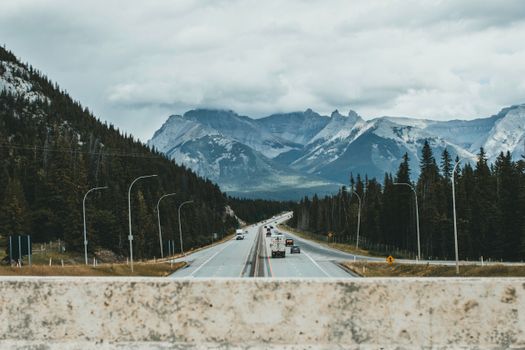 Photo: Jonathan Cooper / Pexels