

Smart Budget Travel Canada Tips: Explore More for Less

Breathtaking view of the Canadian Rockies at sunset with a vibrant purple sky.Photo: Nunzio Guerrera / Pexels

Smart Budget Travel Canada Tips: Explore More for Less

Master the art of affordable Canadian adventures with these expert strategies for every aspect of your journey.

Start Your Adventure

Key Takeaways

  • ✓ Canada's vastness means travel costs can quickly add up; strategic planning is crucial.
  • ✓ Off-season travel (fall, spring) offers significant savings on accommodation and activities.
  • ✓ Embracing public transit, rideshares, and walking can drastically cut transportation expenses.
  • ✓ Cooking your own meals and utilizing grocery stores is a top budget-saving tactic.

How It Works

1
Plan Your Route Strategically

Decide which regions you want to explore and group nearby attractions. This minimizes travel time and costs between destinations, maximizing your sightseeing efficiency.

2
Book Smart & Early

Secure flights and accommodation well in advance, especially for popular seasons. Look for deals on budget airlines and consider alternative lodging like hostels or B&Bs.

3
Embrace Frugal Food Choices

Prioritize grocery shopping and preparing your own meals over constant restaurant dining. Pack snacks for day trips to avoid impulse buys and save money.

4
Utilize Free & Low-Cost Activities

Canada boasts incredible natural beauty and free attractions. Focus on hiking, national parks (with a Discovery Pass), free museums, and city walking tours to keep costs down.

Mastering Transportation: Your Key to Affordable Canadian Journeys

A vibrant red Canadian Pacific train travels through a lush, green landscape beside a river in Calgary, Alberta.Photo: Mo Poroushani / Pexels
Canada is vast, and transportation can quickly become one of the most significant expenses for any traveler. However, with strategic planning and a willingness to explore various options, you can significantly reduce these costs and make your budget travel Canada tips a reality. The first step is to consider your primary mode of inter-city travel. While flying might seem like the quickest option for long distances, budget airlines like Flair Airlines and Swoop (though Swoop has merged with WestJet, keep an eye on WestJet's budget offerings) often have competitive fares, especially if booked well in advance and with flexibility on travel dates. Always compare prices across multiple platforms and consider flying into smaller, secondary airports if they offer better deals, even if it means a slightly longer commute to your final destination. Remember to factor in baggage fees, as these can quickly negate any initial savings. For shorter to medium distances, inter-city buses are a fantastic, often overlooked, budget-friendly option. Companies like Greyhound (though its Canadian operations have scaled back, check for regional alternatives like Rider Express, Megabus in Ontario/Quebec, or BC Ferries Connector in British Columbia) provide comfortable and reliable service between many major cities and towns. The journey might be longer, but the cost savings can be substantial, and you get to enjoy the scenic Canadian landscape from a different perspective. Booking bus tickets online in advance often yields better prices than purchasing at the station on the day of travel. Another excellent resource for overland travel, particularly for those exploring specific regions, is the train. VIA Rail Canada offers scenic routes across the country, and while often more expensive than buses, they sometimes have special deals or economy fares, especially for students or seniors. It’s worth checking their website for promotions, especially if you plan to travel during off-peak times. For those who love the open road, carpooling services or ride-sharing apps like Poparide can connect you with drivers heading in your desired direction, offering a cost-effective and social way to travel. Within cities, public transportation is your best friend. Major Canadian cities like Toronto, Vancouver, Montreal, and Calgary have excellent public transit systems (subways, buses, streetcars) that are efficient and affordable. Invest in a multi-day pass if you plan to use transit frequently, as these often offer better value than single-ride tickets. Walking is, of course, free and an excellent way to explore city centers and discover hidden gems. For destinations less served by public transit, consider bike rentals – many cities offer bike-sharing programs that are cheap for short periods. If you absolutely need a car, rent from smaller, local agencies or use comparison sites, and always opt for the most fuel-efficient model. Avoid renting at airports if possible, as surcharges can be significant. Lastly, if traveling in a group, splitting taxi or ride-share costs can sometimes be comparable to public transit, especially late at night or with luggage. These transportation strategies are essential for an affordable Canadian adventure.

Smart Accommodation Choices: Sleeping Soundly on a Shoestring

Two female backpackers high-fiving in a bright hostel dorm room, enjoying travel adventures.Photo: Ketut Subiyanto / Pexels
Accommodation is often the second-largest expense for travelers, but Canada offers a diverse range of budget-friendly sleeping options if you know where to look. Ditching traditional hotels for alternatives is a cornerstone of effective budget travel Canada tips. Hostels are a fantastic choice for solo travelers, groups, and even couples, offering dormitory beds at a fraction of hotel prices, often with private room options available. They're also excellent places to meet fellow travelers, share tips, and sometimes even find free activities or meal deals. Look for hostels with kitchen facilities, as cooking your own meals is a significant money-saver, as discussed further below. Websites like Hostelworld and Booking.com are great resources for finding and comparing hostels across Canada. Another excellent option, particularly for longer stays or for those seeking a more local experience, is Airbnb or similar vacation rental platforms. While some properties can be expensive, you can often find private rooms in shared homes or entire apartments at competitive rates, especially outside of peak tourist season. The key here is to book well in advance and be flexible with your location – staying slightly outside the city center can often yield much lower prices, and with good public transit, you're still well-connected. Always check reviews carefully and communicate with the host to ensure the listing meets your needs. For those who love the outdoors, camping is hands down the most budget-friendly accommodation choice, and Canada boasts some of the world's most spectacular campgrounds. National and provincial parks offer basic sites for tents and RVs at very reasonable rates. Some even have oTENTiks (a cross between a tent and a cabin) or yurts, which provide a more comfortable camping experience without the need to bring all your gear. Booking campsites, especially in popular parks like Banff or Jasper, is absolutely essential and often requires reservations months in advance. Beyond these common options, consider unique alternatives. University dorms sometimes offer affordable lodging during the summer months when students are away. House-sitting, where you stay in someone's home for free in exchange for looking after their pets or property, can be an incredible way to experience a destination for an extended period without paying for accommodation. Websites like TrustedHousesitters facilitate these arrangements. Finally, for those on a tight budget and with a sense of adventure, 'couchsurfing' through platforms like Couchsurfing.com allows you to stay for free with local hosts. While not for everyone, it offers a truly immersive cultural experience. Always prioritize safety and good judgment when opting for these less conventional accommodation methods. By diversifying your accommodation choices, you can significantly stretch your travel budget, allowing more funds for experiences rather than just a place to sleep.

Fueling Your Adventures: Eating Well Without Overspending
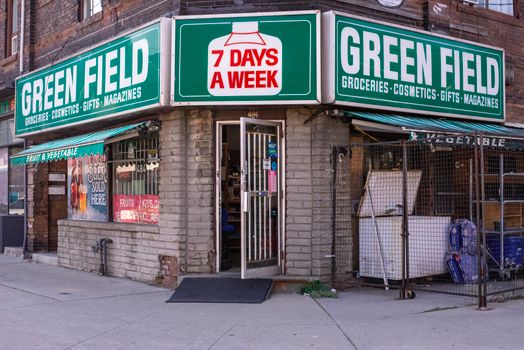
Exterior view of Green Field grocery store open 7 days a week.Photo: @coldbeer / Pexels
Food can be a major budget drain, but with a few clever budget travel Canada tips, you can enjoy delicious meals without emptying your wallet. The golden rule for saving money on food in Canada, and indeed almost anywhere, is to minimize eating out at restaurants. Instead, embrace grocery stores! Canada has excellent supermarket chains like Loblaws, Sobeys, Metro, and local independent stores. Stock up on staples like bread, cheese, fruit, vegetables, and ingredients for simple meals. If your accommodation has a kitchen (hostels, Airbnbs, camping), make full use of it. Preparing your own breakfast, packing a lunch for your day's explorations, and cooking dinner a few times a week can save you hundreds of dollars over the course of your trip. Even if you don't have a full kitchen, a microwave and a mini-fridge can go a long way – think instant oatmeal, sandwiches, and pre-made salads. When you do decide to eat out, be strategic. Lunch menus are almost always cheaper than dinner menus for similar dishes. Look for 'daily specials' or 'prix fixe' menus, which offer set courses at a reduced price. Ethnic restaurants, particularly those specializing in Asian, Middle Eastern, or Latin American cuisines, often provide excellent value for money with generous portions. Food trucks and street food vendors, especially in larger cities like Vancouver, Toronto, and Montreal, offer delicious and affordable options for a quick bite. Farmers' markets are not only a great place to buy fresh, local produce at competitive prices but also often feature food stalls with tasty, ready-to-eat meals. Always carry a reusable water bottle and refill it whenever possible instead of buying bottled water. Most public places, including parks and museums, have water fountains, and tap water in Canada is generally safe and delicious to drink. This small habit alone can save you significant money over your trip. Additionally, consider visiting local breweries or distilleries for tastings – some offer free or inexpensive tours, and you can often find food trucks or casual dining options nearby. Alcohol can be particularly expensive in Canada due to high taxes, so if you enjoy a drink, consider purchasing beer, wine, or spirits from liquor stores (LCBO in Ontario, SAQ in Quebec, BCLiquor in BC, etc.) and enjoying them at your accommodation or a designated picnic spot, rather than always ordering at bars and restaurants. Many grocery stores in some provinces also sell beer and wine. Finally, don't underestimate the power of free food! Some hostels offer free breakfast, and many hotels include it in their room rate. Keep an eye out for free food samples at markets or festivals. By being mindful of your food choices and utilizing grocery stores, you can maintain a healthy budget while still enjoying Canada's diverse culinary landscape. These food strategies are vital for maximizing your travel funds.

Unlocking Free & Low-Cost Activities: Experience Canada's Best for Less

Explore the breathtaking landscape with majestic mountains and lush forests in Field, BC, Canada.Photo: Ali Kazal / Pexels
Canada is renowned for its breathtaking natural beauty, and the best part is that many of its most iconic experiences are entirely free or very low-cost. This is where your budget travel Canada tips can shine brightest. First and foremost, embrace the great outdoors. Hiking is free, incredibly rewarding, and Canada offers an endless array of trails, from gentle strolls to challenging multi-day treks. Explore provincial and national parks – while national parks require an entry fee, consider purchasing a Parks Canada Discovery Pass if you plan to visit multiple parks or stay for an extended period. This annual pass offers unlimited entry to all national parks and national historic sites and can quickly pay for itself. Provincial parks also offer affordable day passes or annual passes, providing access to stunning landscapes, lakes, and beaches. Cities also offer a wealth of free attractions. Take advantage of free walking tours (often tip-based), explore vibrant neighborhoods, visit public art installations, and relax in beautiful urban parks. Many museums in Canada offer free admission on specific days or evenings, or have sections that are always free. Check their websites in advance for details. For instance, the National Gallery of Canada in Ottawa offers free admission on Thursday evenings, and the Royal Ontario Museum in Toronto often has free access to certain galleries. Festivals and cultural events are abundant, especially during the summer months, and many of these are free to attend, offering live music, performances, and local crafts. Consult local tourism websites or event listings to see what's happening during your visit. Consider visiting smaller towns and villages. While major cities can be expensive, Canada's smaller communities often provide a charming, authentic experience with lower costs for food, activities, and sometimes even accommodation. They often have unique local attractions, historical sites, and community events that are free or very inexpensive. Lastly, don't forget the simple pleasures: picnicking in a scenic spot, watching a sunset over a lake or ocean, stargazing in a dark sky preserve, or simply enjoying a leisurely walk along a boardwalk. These experiences are priceless and cost nothing. By prioritizing free and low-cost activities, you can immerse yourself in the true spirit of Canada without straining your budget, leaving more funds for memorable experiences and less for unnecessary expenditures. This thoughtful approach to activities is a cornerstone of smart, affordable travel.

Comparison

FeatureBest OptionAlternative 1Alternative 2
Inter-city TravelInter-city BusBudget Airline (booked early)Carpooling/Rideshare
AccommodationHostels (with kitchen)Camping/RV ParksAirbnb (private room)
FoodGrocery Store CookingLunch Specials/Food TrucksEthnic Restaurants
ActivitiesNational/Provincial Parks (Pass)Free Walking Tours/MuseumsCity Parks/Beaches
ConnectivityLocal SIM (prepaid)Free Wi-Fi (cafes/libraries)eSIM (e.g., Airalo)

What Our Readers Say

5 ★★★★★

"These budget travel Canada tips were a lifesaver! I managed to explore Banff and Jasper for three weeks, mostly camping and cooking, and stayed well within my budget. The advice on the Discovery Pass was invaluable."

5 ★★★★★

"I used the transportation tips to navigate Quebec and Ontario by bus and train. It was slower, but I saved so much money compared to flying, and the scenery was incredible. Highly recommend planning your route based on these suggestions."

5 ★★★★★

"Thanks to these tips, I budgeted for groceries and ate out only occasionally. My food costs were cut in half, allowing me to splurge on a whale watching tour in Vancouver! Concrete results, indeed."

4 ★★★★☆

"The article provided solid advice, though some regional bus options were harder to find in practice than expected. Still, the overall strategy for accommodation and free activities was excellent and saved me a lot."

5 ★★★★★

"As a student backpacker, these budget travel Canada tips were exactly what I needed. I stayed in hostels with kitchens, hiked every day, and even found a free museum night in Montreal. Canada is truly accessible on a budget!"

Frequently Asked Questions

What's the best time of year for budget travel in Canada?
The shoulder seasons (spring: April-May, fall: September-October) are generally best for budget travel. You'll find lower prices on flights and accommodation, fewer crowds, and still pleasant weather in many regions. Winter can also be budget-friendly if you're prepared for cold and snow, especially outside of major ski resorts.
Is Canada expensive for travelers on a tight budget?
While Canada can be expensive, especially in major cities and popular tourist spots during peak season, it's absolutely possible to travel on a budget. By making smart choices regarding transportation, accommodation, food, and activities, you can significantly reduce costs and enjoy an affordable trip.
How can I save money on flights to Canada?
Book your flights well in advance (3-6 months out), be flexible with your travel dates and airports, consider budget airlines, and use flight comparison websites. Flying during the off-season or shoulder season will also yield lower fares.
What's a realistic daily budget for a frugal traveler in Canada?
For a truly frugal traveler utilizing hostels, cooking most meals, and focusing on free activities, a daily budget of CAD $50-80 (excluding major inter-city transportation) is achievable. For a more comfortable budget with some dining out and paid activities, aim for CAD $80-120+ per day.
How does traveling by train in Canada compare to buses for budget travelers?
Buses are generally more affordable than trains for inter-city travel in Canada. While trains like VIA Rail offer scenic routes and comfort, their standard fares are often higher. However, VIA Rail occasionally has sales or special passes that can make it a competitive option, especially if booked far in advance.
Who should prioritize using these budget travel Canada tips?
These tips are ideal for backpackers, students, long-term travelers, families on a tight budget, or anyone who wants to experience Canada's beauty and culture without overspending. They're designed for those willing to plan ahead and embrace alternative, cost-saving options.
Is it safe to hitchhike or couchsurf to save money in Canada?
While some people do hitchhike or couchsurf in Canada, it's generally recommended to exercise extreme caution and prioritize personal safety. If considering these options, thoroughly research and use reputable platforms with strong vetting processes, and always inform someone of your plans and location.
What future trends might impact budget travel in Canada?
The rise of sustainable tourism and increased demand for unique, local experiences could lead to more community-based, affordable lodging and activity options. Digital nomad visas and increased remote work might also open up more long-stay, budget-friendly possibilities in smaller towns.

Ready to explore Canada's stunning landscapes and vibrant cities without breaking the bank? Implement these proven budget travel Canada tips to transform your travel dreams into an affordable reality. Start planning your unforgettable Canadian adventure today and discover how much more you can experience for less.

Topics: budget travel Canada tipsaffordable Canada tripsave money Canada travelcheap travel CanadaCanada backpacking budget
Leo List
Brampton weed
Adultwork