Easy Ways to Book Ferry to Vancouver Island
book ferry to vancouver island

Easy Ways to Book Ferry to Vancouver Island

Secure your passage to Vancouver Island with confidence and discover the best booking strategies for a seamless journey.

Book Your Ferry Now

Key Takeaways

  • ✓ BC Ferries is the primary operator for routes to Vancouver Island.
  • ✓ Advance reservations are highly recommended, especially during peak seasons.
  • ✓ Routes connect from mainland British Columbia (Tsawwassen, Horseshoe Bay) to Vancouver Island (Swartz Bay, Nanaimo).
  • ✓ Foot passengers can often travel without reservations, but vehicle space is limited.

How It Works

1
Choose Your Route & Dates

Identify your departure and arrival terminals on Vancouver Island. Select your desired travel dates and times, considering peak periods.

2
Select Passengers & Vehicle

Specify the number of adult and child passengers. Accurately measure and enter your vehicle's length if applicable, including any trailers or roof racks.

3
Review & Confirm Booking

Double-check all details, including dates, times, passenger count, and vehicle dimensions. Proceed to payment to finalize your reservation.

4
Arrive Early & Enjoy

Arrive at the terminal at least 30-60 minutes prior to your scheduled departure. Have your booking confirmation ready for a smooth boarding process.

Understanding BC Ferries: Your Gateway to Vancouver Island

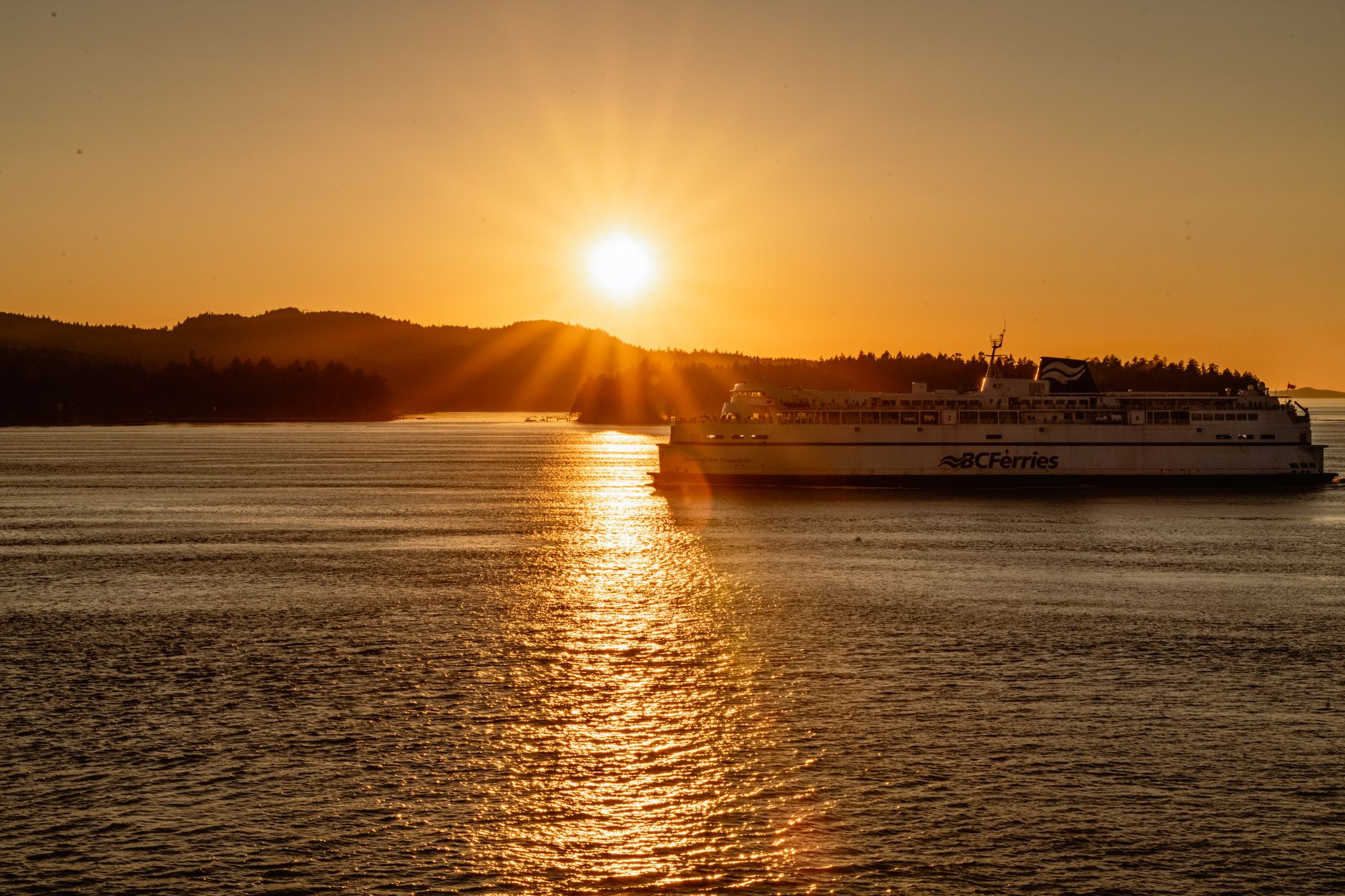
Picturesque view of a ferry crossing near a lighthouse on a rocky island in Victoria, BC. Photo: Vlad Vasnetsov / Pexels
Vancouver Island, a jewel of the Pacific Northwest, beckons with its rugged coastlines, ancient forests, and vibrant cities. But before you can explore its wonders, you need to get there. For most travelers, this means a scenic journey with BC Ferries, the primary transportation link between mainland British Columbia and Vancouver Island. Understanding how BC Ferries operates is the first crucial step to successfully book ferry to Vancouver Island. BC Ferries manages an extensive network, but the main routes connecting to Vancouver Island depart from two key terminals on the Lower Mainland: Tsawwassen (south of Vancouver) and Horseshoe Bay (north of Vancouver). From Tsawwassen, you can reach Swartz Bay (near Victoria) or Duke Point (near Nanaimo). The Tsawwassen to Swartz Bay route is the most popular, often serving as the gateway for those heading to Victoria, the provincial capital, or the southern parts of the island. The journey typically takes around 1 hour and 40 minutes, offering stunning views of the Gulf Islands. For travelers aiming for Nanaimo or the central and northern regions of the island, the Tsawwassen to Duke Point route is more direct, with a similar crossing time. This route is particularly convenient for those bypassing Victoria and heading straight to destinations like Tofino, Ucluelet, or Courtenay. From Horseshoe Bay, the main route is to Departure Bay, also in Nanaimo. This route is ideal for those coming from Vancouver's North Shore or Whistler, providing a direct link to central Vancouver Island. The crossing from Horseshoe Bay to Departure Bay is equally picturesque, winding through the Howe Sound. Knowing which terminal best suits your starting point and final destination on Vancouver Island is key to selecting the most efficient and enjoyable route. Each route offers a unique experience, but all provide comfortable amenities onboard, including restaurants, gift shops, and observation decks. Planning your travel itinerary effectively starts with selecting the right ferry route. While BC Ferries operates frequently, especially during peak seasons, the demand for vehicle space is consistently high. This is where the importance of advance booking comes into play. Unlike foot passengers who can often board the next available sailing, vehicle space is finite and allocated on a first-come, first-served basis for those without reservations. Failing to book ahead can lead to long waits, potentially missing your desired sailing, or even being stranded at the terminal during busy periods. Factors like long weekends, summer holidays, and special events significantly increase passenger and vehicle traffic. Therefore, to ensure a seamless and stress-free journey, making a reservation is not just recommended, it's virtually essential. This guide will walk you through the various options and best practices to book ferry to Vancouver Island, ensuring your adventure begins on the right foot.

Step-by-Step Guide to Booking Your Vancouver Island Ferry
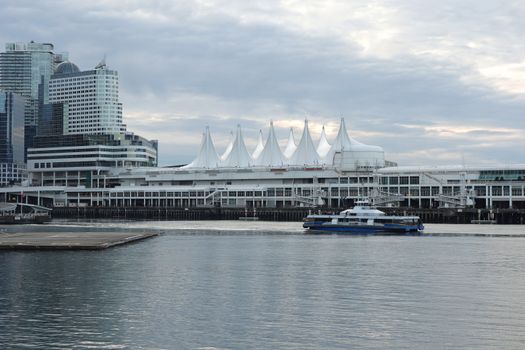
Scenic view of Canada Place and ferry on Vancouver's waterfront, British Columbia. Photo: Glen Zi 加侖子 / Pexels
The process to book ferry to Vancouver Island is designed to be user-friendly, primarily through the BC Ferries website, but understanding each step can save you time and prevent common pitfalls. The official BC Ferries website is your primary tool for making reservations. Navigate to the ‘Reservations’ section, where you’ll be prompted to enter your travel details. The first crucial step is to select your origin and destination terminals. As discussed, your choice will largely depend on your starting point on the mainland and your ultimate destination on Vancouver Island. For example, if you're driving from Seattle and heading to Victoria, Tsawwassen to Swartz Bay is your most logical choice. If you're leaving from downtown Vancouver and heading to Tofino, Horseshoe Bay to Departure Bay might be more convenient, followed by a drive across the island. Next, select your desired travel date and time. The website features an intuitive calendar interface that allows you to see available sailings. It's advisable to have a few alternative dates or times in mind, especially if you're traveling during a busy period, as popular sailings can fill up quickly. Once your date is chosen, you'll need to specify the number of passengers traveling with you, distinguishing between adults, children, and seniors. If you are traveling with a vehicle, this is where accuracy is paramount. You'll be asked to input your vehicle type (car, truck, RV, motorcycle) and its approximate length. If you have a trailer, bicycle rack, or anything extending beyond the standard length of your vehicle, you must include this in your total length. An incorrect vehicle length can lead to booking issues or additional charges at the terminal, so measure carefully. After entering these details, the system will display available sailings, along with their associated costs. You’ll see various fare options, including standard reservations and potentially a more flexible ‘Assured Loading’ option, which guarantees your spot on a specific sailing even if you arrive late (within certain parameters). Review your selection carefully, ensuring the date, time, route, passenger count, and vehicle details are all correct. Any discrepancies here could cause problems later. Proceed to the payment section, where you'll enter your credit card information to finalize the booking. You’ll receive a confirmation email with your booking reference number – keep this accessible, as you'll need it at the terminal. It's important to note that while the website is the preferred method, you can also book ferry to Vancouver Island by calling BC Ferries' reservation line. This might be useful if you have complex requirements, special needs, or prefer speaking to a representative. However, phone lines can be busy, especially during peak times, so online booking is generally quicker and more efficient. Regardless of your booking method, always aim to book as far in advance as possible, particularly for vehicle reservations during popular travel seasons like summer, long weekends, and holidays. Reservations typically open three months in advance, and the most sought-after spots can be snapped up quickly.

Maximizing Your Ferry Experience: Tips for a Smooth Journey
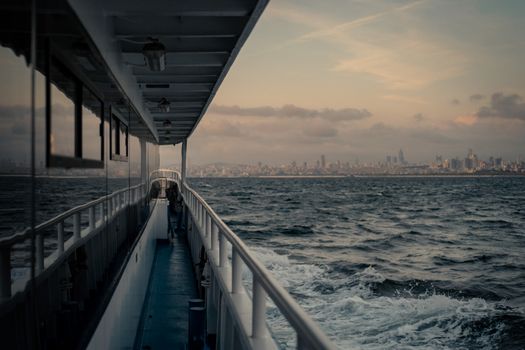
Scenic view of city skyline from a ferry during twilight, showcasing serene ocean waves and urban backdrop. Photo: Zeynep Sude Emek / Pexels
Securing your reservation to book ferry to Vancouver Island is just the first step; maximizing your overall ferry experience involves a few strategic considerations. One of the most critical aspects is terminal arrival time. BC Ferries recommends arriving at least 30-60 minutes before your scheduled departure time for reservations. During peak season or long weekends, extending this to 60-90 minutes is a wise precaution. Arriving too late, even with a reservation, can result in losing your spot, as reservations are held only up to a certain cutoff point (typically 30 minutes before departure). Always check the current conditions and recommended arrival times on the BC Ferries website or app, as these can change based on traffic and weather. Once at the terminal, follow the signage for reserved vehicles. You’ll present your booking confirmation (either printed or on your mobile device) at the toll booth. The staff will direct you to the appropriate lane for your sailing. Boarding is a carefully choreographed process, with vehicles directed onto the vessel in an organized manner. Pay attention to the crew's instructions, as they are crucial for safety and efficiency. Once parked, you'll likely be asked to turn off your engine and, if traveling with a pet, ensure they are secured in your vehicle or in a designated pet area if available. Many passengers choose to leave their vehicles and head up to the passenger decks to enjoy the amenities and views. Onboard, BC Ferries vessels offer a range of facilities. You’ll find cafeterias and restaurants serving hot meals, snacks, and beverages. There are often gift shops selling local souvenirs, magazines, and travel essentials. For those needing a break, comfortable seating areas, observation lounges, and outdoor decks provide opportunities to relax and take in the stunning coastal scenery. Keep an eye out for marine wildlife, as whale sightings are not uncommon, especially in the Georgia Strait. For children, some ferries have play areas or video games. If you're traveling with pets, be aware of BC Ferries' pet policies. Generally, pets must remain in vehicles or in designated pet areas on specific decks, and are not allowed in passenger lounges or restaurants, with the exception of service animals. Understanding these policies before you travel can prevent any last-minute surprises. Consider traveling during off-peak hours or days if your schedule allows. Mid-week sailings, especially Tuesday to Thursday, and early morning or late evening departures, tend to be less crowded and easier to book. This can also sometimes result in slightly lower fares, though this is not always guaranteed. Another smart move is to sign up for BC Ferries service notices. These alerts provide real-time updates on delays, cancellations, and terminal conditions, allowing you to adjust your travel plans proactively. By being prepared and utilizing these tips, your journey to Vancouver Island will be as enjoyable and smooth as the destination itself.

Common Mistakes to Avoid When Booking Your Ferry to Vancouver Island

Ferries and watercraft navigate the Bosphorus Strait in Istanbul, Turkey, offering stunning city views. Photo: mahmurekoseogluu / Pexels
Even with the best intentions, travelers sometimes make common mistakes when trying to book ferry to Vancouver Island that can lead to unnecessary stress or delays. Being aware of these pitfalls can help you ensure a smooth journey. One of the most frequent errors is underestimating the importance of advance reservations, especially for vehicles. During peak seasons (summer, long weekends, school holidays), vehicle deck space can sell out weeks or even months in advance. Relying on walk-up availability for your car is a gamble that often doesn't pay off, leading to hours-long waits or forced changes to your travel plans. Always book your vehicle reservation as soon as your travel dates are firm. Another common mistake is incorrect vehicle measurement. When prompted to enter your vehicle's length, it’s crucial to include any additions like bike racks, roof boxes, or trailers. BC Ferries charges based on the total length of your vehicle and any towed or attached items. If you arrive at the terminal and your vehicle is longer than what you booked, you may be charged an additional fee, or worse, denied boarding if there isn't enough space for your actual vehicle length. Take a moment to measure accurately before booking. Failing to arrive on time for a reservation is also a significant issue. While you have a reservation, it’s not a guarantee of boarding if you miss the cut-off time. BC Ferries has strict policies regarding arrival times (typically 30 minutes prior to departure for reservations). Arriving late means your reservation might be forfeited, and you'll be treated as a stand-by vehicle, subject to the next available space. Always factor in potential traffic, construction, and terminal congestion when planning your arrival. Checking real-time traffic updates and BC Ferries' current conditions is highly recommended. Lastly, neglecting to check for service notices or advisories can lead to unexpected disruptions. Weather conditions (fog, high winds), mechanical issues, or unexpected traffic can cause delays or cancellations. BC Ferries provides service updates via their website, social media, and email alerts. Subscribing to these alerts or checking the website before you depart for the terminal can save you a lot of frustration. Knowing about a two-hour delay before you leave your hotel is much better than finding out when you’re already in the terminal lineup. Being proactive and informed will significantly enhance your experience when you book ferry to Vancouver Island.

Comparison

FeatureBC Ferries WebsiteBC Ferries AppPhone ReservationTerminal Walk-Up
Ease of BookingExcellentVery GoodGood (can be slow)Poor for vehicles
Real-Time UpdatesYesYesVia repOnly at terminal
Vehicle Reservation✗ (Stand-by only)
Payment OptionsCredit Card, DebitCredit CardCredit CardCash, Card

What Readers Say

"Booking my ferry to Vancouver Island through the BC Ferries website was incredibly straightforward. I appreciated the clear instructions for vehicle measurements and the prompt confirmation email. It made our family trip to Victoria so much less stressful knowing our spot was secured."

Sarah J. · Vancouver, BC

"As a first-timer, I was a bit nervous about the process, but the online booking system to book ferry to Vancouver Island was very intuitive. We traveled during a long weekend, and I'm so glad I booked ahead; the standby line was enormous. Highly recommend reserving your spot!"

Mark D. · Calgary, AB

"I used the BC Ferries app to book my ferry to Vancouver Island for a trip to Tofino, and it worked perfectly. The app provided real-time updates on sailing status, which was super helpful. We arrived on time, boarded smoothly, and had a fantastic trip as a result."

Emily R. · Seattle, WA

"While booking online is convenient, I sometimes find the website a bit slow during peak booking times. However, once the reservation is made, the process at the terminal is always efficient. Definitely book in advance if you're traveling with a car to avoid disappointment."

David L. · Nanaimo, BC

"I frequently travel between the island and the mainland for work. Learning to book ferry to Vancouver Island quickly and efficiently online has saved me countless hours. The flexibility to choose different routes and times is invaluable for my busy schedule."

Jessica M. · Victoria, BC

Frequently Asked Questions

What is the best way to book ferry to Vancouver Island?

The best way to book ferry to Vancouver Island, especially if you are traveling with a vehicle, is online through the official BC Ferries website. This allows you to choose your route, select your sailing time, and pay for your reservation in advance, securing your spot and avoiding long waits at the terminal.

Do I need a reservation to take the ferry to Vancouver Island?

While foot passengers can often travel without a reservation, a vehicle reservation is highly recommended, and often essential, particularly during peak travel seasons (summer, long weekends, holidays). Without a reservation, you risk long waits as a stand-by vehicle or even being turned away if sailings are full.

How far in advance can I book a BC Ferries reservation?

You can typically book a BC Ferries reservation up to three months in advance of your desired travel date. For popular routes and times, especially during peak season, it is advisable to book as soon as your travel plans are confirmed to ensure availability.

How much does it cost to take a ferry to Vancouver Island?

The cost to book ferry to Vancouver Island varies based on the route, the number of passengers, and the type and length of your vehicle. A standard passenger fare is charged per person, with additional fees for vehicles. Check the BC Ferries website for exact pricing based on your specific travel details.

Is it cheaper to travel as a foot passenger?

Yes, it is generally much cheaper to travel as a foot passenger compared to bringing a vehicle. Foot passengers pay only a per-person fare, whereas vehicle fares include both the vehicle and the driver, plus additional passenger fares. This can be a cost-effective option if you don't need a car on the island.

Who should book a ferry to Vancouver Island in advance?

Anyone planning to travel to Vancouver Island, especially with a vehicle, during popular times (summer, long weekends, holidays), or if they have a strict travel schedule, should book their ferry in advance. This guarantees a spot and significantly reduces travel stress.

What if I miss my reserved sailing?

If you miss your reserved sailing, your reservation may be forfeited, and you will typically be treated as a stand-by vehicle for the next available sailing. Reservations are usually held up to 30 minutes before departure, so arriving late can result in losing your guaranteed spot.

Are there any future changes expected for booking BC Ferries?

BC Ferries continuously reviews its booking systems and operations. While specific future changes are not always announced far in advance, they often implement technological improvements and adjust policies to enhance customer experience. Always check the official website for the latest updates and booking information.

Ready to explore the stunning landscapes and vibrant culture of Vancouver Island? Don't let travel logistics hold you back. Secure your passage now by following our expert guide to book ferry to Vancouver Island, ensuring a smooth and memorable journey from start to finish.

Topics: book ferry to vancouver islandBC Ferries reservationsVancouver Island travelferry schedules CanadaNanaimo ferry booking
Leo List
Brampton weed
Adultwork EstrelaBet Vai de Bet R7 Bet Betão Galera Bet Rainbet Bet9ja Shop SportyBet BetKing Sisal Loto Foot Hollywoodbets YesPlay Odibets RushBet Jugabet BetWarrior BetCity MSport betPawa Fortebet