✓ Fall (September-October) brings stunning foliage, pleasant temperatures, and fewer crowds.
✓ Winter (November-March) transforms Montreal into a snowy wonderland, ideal for winter sports and cozy experiences.
✓ Spring (April-May) is a transitional period with blooming flowers and maple syrup season.
How It Works
1
Define Your Travel Priorities
Consider what you want most from your Montreal trip: warm weather, cultural events, winter sports, or budget-friendly travel. Your priorities will guide your seasonal choice.
2
Explore Seasonal Highlights
Research the unique attractions, festivals, and activities available in Montreal during each season. This helps match your interests with the city's offerings.
3
Assess Weather and Crowds
Understand the typical weather patterns and tourist volumes for each month. This allows you to prepare adequately and manage your expectations for your visit.
4
Book Accommodations and Flights
Once you've chosen your ideal time, secure your travel arrangements well in advance. Prices and availability fluctuate significantly based on the season and local events.
Summer in Montreal: Festivals, Sunshine, and Outdoor Bliss
Photo: Victor Lucas / Pexels
Montreal truly comes alive during the summer months, making it an incredibly popular choice for visitors. From June to August, the city basks in warm, often hot, temperatures, with averages ranging from 20°C to 27°C (68°F to 81°F). This is the season for outdoor enthusiasts, culture vultures, and anyone who loves a vibrant, bustling atmosphere. The city's numerous parks, like Parc La Fontaine and Mount Royal Park, become hubs of activity, perfect for picnics, leisurely strolls, or simply soaking up the sun. The St. Lawrence River offers opportunities for boat tours and waterside dining, while the historic Old Montreal district buzzes with street performers and patio diners.
The summer calendar is jam-packed with world-renowned festivals that draw international crowds. The Montreal International Jazz Festival, held in late June and early July, transforms the downtown core into a massive open-air concert venue, featuring hundreds of free and ticketed performances. Just a few weeks later, the Just for Laughs Festival brings top comedians from around the globe, filling theaters and public spaces with laughter. Other notable events include Les Francos de Montréal, a celebration of French-language music, and the Osheaga Music and Arts Festival, a massive outdoor indie music event. These festivals create an electric energy throughout the city, but they also mean higher prices for accommodations and flights, and larger crowds at popular attractions.
For those who enjoy cycling, Montreal boasts an extensive network of bike paths, and BIXI bike-sharing stations are ubiquitous. You can explore the Lachine Canal National Historic Site by bike, or venture further afield to discover charming neighborhoods. The Plateau Mont-Royal, with its distinctive spiral staircases and leafy streets, is particularly enchanting in the summer. Dining al fresco is a quintessential Montreal summer experience, with countless restaurants offering patio seating. From gourmet dining to casual bistros, the culinary scene thrives. Keep in mind that humidity can be high, so light clothing and staying hydrated are essential. Booking accommodations and festival tickets well in advance is crucial if you plan to visit during this peak season. While it's the busiest time, the sheer volume of activities and the infectious energy make summer an unforgettable experience for many. If your ideal trip involves constant activity, lively crowds, and basking in the sun, then summer is undoubtedly the best time to visit Montreal.
Autumn's Embrace: Fall Foliage, Mild Weather, and Cultural Riches
Photo: @coldbeer / Pexels
As the summer heat gently recedes, Montreal transitions into a truly picturesque autumn. September and October offer some of the most pleasant weather conditions, with average temperatures ranging from 10°C to 18°C (50°F to 64°F). The crisp, clear air is invigorating, and the city's parks and surrounding areas explode in a riot of red, orange, and gold foliage, creating breathtaking scenery. This season strikes a wonderful balance: the vibrant energy of summer is still present, but the intense crowds have thinned, making for a more relaxed and often more affordable travel experience.
One of the primary draws of autumn is the spectacular fall colors. A hike or a leisurely drive up Mount Royal offers panoramic views of the city blanketed in autumnal hues. For an even more immersive experience, consider a day trip to the Laurentian Mountains, just an hour or two north of Montreal, where the forest landscapes are simply stunning. Closer to the city, the Montreal Botanical Garden showcases its vast collection of plants in their autumnal glory, and the Chinese Garden's lanterns glow beautifully as the evenings draw in.
Culturally, autumn continues to offer a rich tapestry of events. While the mega-festivals of summer have concluded, there are still numerous art exhibitions, theater productions, and smaller, more intimate music events. Foodies will appreciate the harvest season, with local markets like Jean-Talon Market overflowing with fresh produce, pumpkins, and seasonal delights. This is also an excellent time to indulge in Montreal's renowned culinary scene, as many restaurants introduce new fall menus featuring hearty, seasonal ingredients.
Exploring Old Montreal and the Old Port is particularly enjoyable in the fall. The cobblestone streets feel less crowded, allowing for a more leisurely pace as you discover historical sites like Notre-Dame Basilica and Bonsecours Market. The mild temperatures are perfect for walking tours or simply enjoying a coffee on a charming café terrace. Photography enthusiasts will find endless opportunities to capture the city's beauty against the backdrop of changing leaves. If you prefer comfortable walking weather, fewer tourists, and the stunning visual spectacle of fall foliage, then early to mid-autumn is an exceptional time to experience Montreal's unique charm and cultural depth without the intense rush of peak summer. It truly is a hidden gem for those seeking a more serene yet still vibrant visit.
Winter Wonderland: Snowy Adventures and Cozy Charms
Photo: Kate Trysh / Pexels
From November to March, Montreal transforms into a magical winter wonderland, offering a completely different, yet equally enchanting, experience. Temperatures plummet during these months, averaging from -5°C to -15°C (23°F to 5°F), often dipping much lower. While the cold can be intense, the city embraces winter with a unique enthusiasm, making it an ideal destination for those who love snow, winter sports, and cozy indoor activities. Proper winter attire – warm coats, hats, gloves, and waterproof boots – is absolutely essential for enjoying your visit.
Winter sports are a major draw. Skating rinks pop up across the city, most notably at the Old Port's Bonsecours Basin, offering stunning views of the city skyline. Parc La Fontaine also features a popular outdoor rink. For skiing and snowboarding, several excellent resorts, such as Mont Saint-Sauveur and Mont Tremblant, are just a short drive from the city. Cross-country skiing and snowshoeing are also popular activities in Mount Royal Park. The city's underground pedestrian network, known as the 'Underground City' or RESO, becomes a lifeline, connecting metro stations, shopping malls, museums, and attractions, allowing you to escape the cold while still exploring.
Despite the chill, Montreal hosts several captivating winter festivals. Montréal en Lumière (Montreal High Lights Festival) in late February and early March combines culinary delights, performing arts, and free outdoor activities, including an illuminated night walk and a giant slide. Igloofest, an outdoor electronic music festival held in the Old Port, defies the cold with its energetic atmosphere and unique setting. The Christmas season is particularly festive, with twinkling lights, decorated storefronts, and charming Christmas markets, like the one at Atwater Market.
Indoors, Montreal's museums, art galleries, and vibrant culinary scene offer plenty of warmth and entertainment. Explore the Montreal Museum of Fine Arts, the Pointe-à-Callière Archaeology and History Complex, or the Biodome. Indulge in hearty Quebecois cuisine, from poutine to tourtière, and warm up with a rich hot chocolate or a local craft beer. The city's cozy cafes and pubs provide perfect havens from the cold. While winter travel requires more preparation for the elements, it offers a unique opportunity to experience Montreal's resilience and festive spirit, often with fewer tourists and potentially lower prices on flights and accommodations outside of the holiday season. For those who dream of a snowy escape, winter is a truly magical time to visit Montreal.
Spring's Awakening: Maple Syrup, Blooms, and Transitional Weather
Photo: Daoud Saeed / Pexels
Spring in Montreal, spanning April and May, is a season of transition, as the city shakes off its winter slumber and slowly awakens to warmer temperatures. This period can be a bit unpredictable weather-wise, with averages ranging from 5°C to 15°C (41°F to 59°F). Early spring can still see lingering snow and chilly days, while late spring often brings pleasant, mild weather and blooming flowers. It's a time of renewal, marked by the arrival of greenery and the anticipation of summer's warmth.
One of the quintessential experiences of early spring in Quebec is the maple syrup season. Sugar shacks (cabanes à sucre) open their doors, offering traditional Quebecois meals and, of course, fresh maple syrup directly from the source. Many shacks are located just outside the city, making for a delightful day trip. It's a fantastic way to immerse yourself in local culture and taste authentic regional flavors.
As spring progresses, the city's parks and gardens begin to bloom. The Montreal Botanical Garden is a spectacular sight in May, with tulips, daffodils, and other spring flowers creating a colorful display. Walking through neighborhoods like the Plateau Mont-Royal or Mile End becomes more enjoyable as the trees bud and outdoor patios slowly start to open. The melting snow reveals the city's charm, and the longer daylight hours invite more exploration.
While major festivals are less frequent than in summer, spring still offers cultural events and opportunities to enjoy Montreal's artistic side. Museums and galleries are excellent options, providing warmth on cooler days and intellectual stimulation. This season often sees fewer tourist crowds compared to summer, which can translate to better deals on flights and hotels. It's an ideal time for travelers who prefer milder weather, enjoy the beauty of blooming nature, and are interested in unique seasonal experiences like maple syrup harvesting. However, packing layers is crucial, as temperatures can fluctuate significantly within a single day. Be prepared for anything from crisp, sunny mornings to cool, rainy afternoons. Spring offers a quieter, more reflective side of Montreal, perfect for those who appreciate a slower pace and the beauty of nature's reawakening.
**Tips for Spring Travel:**
* **Layer Up:** Dress in layers to adapt to changing temperatures.
* **Check Forecasts:** Monitor the weather closely before and during your trip.
* **Book Sugar Shack Tours:** If interested in maple syrup, book tours in advance.
* **Enjoy Indoor Attractions:** Have a list of museums or indoor activities for rainy days.
* **Look for Deals:** Spring can be a good time to find more affordable travel options.
Comparison
Feature
Summer (June-Aug)
Fall (Sept-Oct)
Winter (Nov-Mar)
Spring (Apr-May)
Weather
Warm, humid (20-27°C)
Mild, crisp (10-18°C)
Cold, snowy (-5 to -15°C)
Cool, variable (5-15°C)
Crowds
Very High
Moderate
Low (except holidays)
Moderate to Low
Festivals
Numerous major events
Fewer, smaller events
Winter festivals, Christmas
Maple syrup season
Outdoor Activities
Patios, biking, parks
Foliage, hiking, markets
Skating, skiing, snowshoeing
Blooms, sugar shacks
Accommodation Cost
High
Moderate to High
Moderate (low off-peak)
Moderate
Best for
Vibrant energy, festivals
Scenery, pleasant walks
Winter sports, cozy charm
Nature, unique experiences
What Readers Say
★★★★★
"We visited Montreal in July for the Jazz Festival, and it was absolutely incredible! The city was buzzing with energy, and there was live music everywhere. Yes, it was crowded, but the atmosphere was just electric and made the trip unforgettable."
Sophie L. · Paris, France
★★★★★
"October in Montreal is simply stunning. The fall colors on Mount Royal were breathtaking, and the weather was perfect for walking around Old Montreal. It felt less touristy than summer, which was a huge plus for us."
Mark T. · Boston, MA
★★★★★
"I never thought I'd enjoy a winter trip so much, but Montreal in February was magical. We went skating at the Old Port, explored the underground city, and enjoyed the Montréal en Lumière festival. The cold was manageable with the right gear, and the city felt so festive."
Elena R. · Miami, FL
★★★★★
"We chose May for our trip to Montreal, hoping for good weather, and it was a mixed bag. Some days were beautiful and sunny, perfect for seeing the Botanical Garden, but we also had a few rainy, chilly days. The maple syrup experience was a definite highlight, though!"
David C. · Vancouver, BC
★★★★★
"For foodies, I highly recommend visiting Montreal in early fall. The markets are full of fresh produce, and the restaurants are introducing their amazing seasonal menus. We had some of the best meals of our lives, and the patio weather was still fantastic."
Jessica M. · New York, NY
Frequently Asked Questions
What is the absolute best time to visit Montreal for first-timers?
For first-time visitors, late spring (May-early June) or early fall (September) often provide the best balance. The weather is pleasant, crowds are manageable compared to peak summer, and you can enjoy both outdoor activities and cultural attractions without extreme temperatures. Summer is also excellent if you prioritize festivals and don't mind larger crowds and higher prices.
Is Montreal too cold to visit in winter?
While Montreal winters are undeniably cold, the city is well-equipped to handle it. With the right warm clothing, you can enjoy outdoor activities like skating and skiing, as well as unique winter festivals. The extensive underground city (RESO) also provides a warm escape for shopping, dining, and moving between attractions, making it a very viable and charming winter destination.
How can I avoid large crowds and still enjoy good weather in Montreal?
To avoid the largest crowds while still experiencing good weather, target the shoulder seasons: late May to early June or the month of September. During these times, the weather is generally mild and pleasant, major summer festivals haven't fully begun or have concluded, and tourist volumes are significantly lower than in July and August, offering a more relaxed experience.
Is Montreal an expensive city to visit, and does the cost vary by season?
Montreal can be moderately expensive, especially for accommodation and dining in popular areas. Yes, costs vary significantly by season. Summer (June-August) is the most expensive due to high demand from festivals and pleasant weather. Fall and spring offer more moderate prices, while winter can be the most budget-friendly, particularly outside of the Christmas and New Year holidays.
What are the unique seasonal activities in Montreal?
Each season offers unique activities. Summer boasts world-class festivals like the Jazz and Just for Laughs. Fall is perfect for enjoying spectacular foliage and harvest markets. Winter is ideal for ice skating, skiing, and experiencing festive light displays. Spring brings the maple syrup season with visits to traditional sugar shacks and the city's gardens coming into bloom.
Who should consider visiting Montreal during the off-peak seasons?
Travelers seeking a more relaxed pace, better deals on accommodations, and an authentic local experience should consider visiting during the off-peak seasons of late fall (November), early spring (March-April), or even deep winter (January-February, excluding holidays). These times offer unique charm, fewer crowds, and a chance to experience Montreal like a local, provided you're prepared for the weather.
Is it safe to travel to Montreal during any time of the year?
Yes, Montreal is generally a very safe city to visit year-round. Like any major urban center, it's wise to be aware of your surroundings, especially at night, and take standard precautions against petty theft. The weather, while extreme in winter, is well-managed by the city's infrastructure and residents, so safety concerns related to climate are minimal with proper preparation.
How is Montreal adapting to climate change, and how might that affect future travel seasons?
Montreal is actively working on climate change adaptation, focusing on green infrastructure, public transport, and urban heat island reduction. Future travel seasons may see warmer and potentially wetter shoulder seasons, extending the 'pleasant' weather period. Winters might become slightly milder with less consistent snow, though cold snaps will still occur. Summer heatwaves could become more frequent, emphasizing the need for air-conditioned accommodations and access to cooling centers.
No matter your preference for weather, festivals, or quiet exploration, Montreal has a season that's perfect for you. Use this guide to determine the best time to visit Montreal and start planning your unforgettable Canadian adventure today!

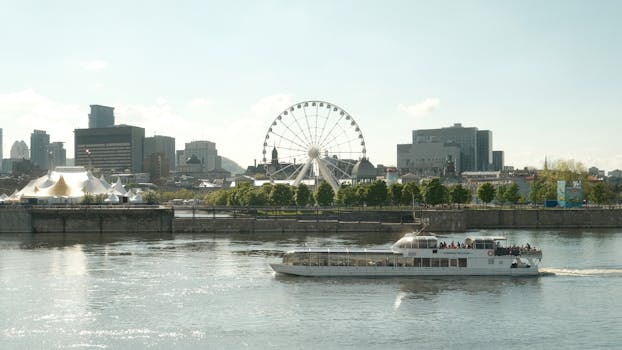 Photo: Victor Lucas / Pexels
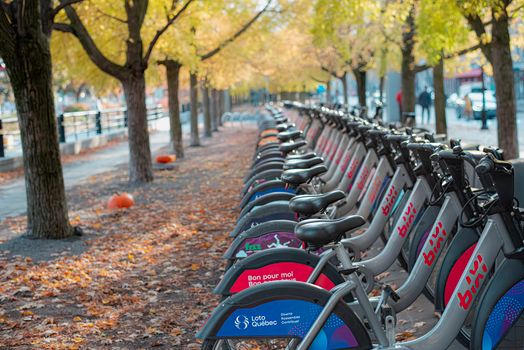 Photo: @coldbeer / Pexels
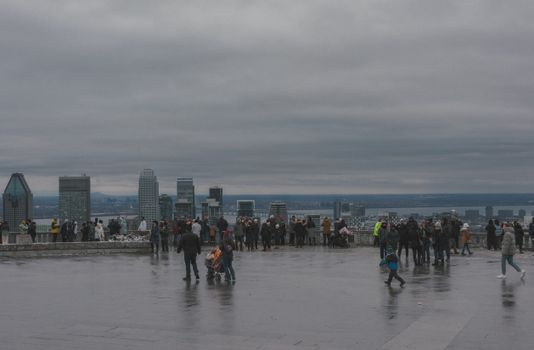 Photo: Kate Trysh / Pexels
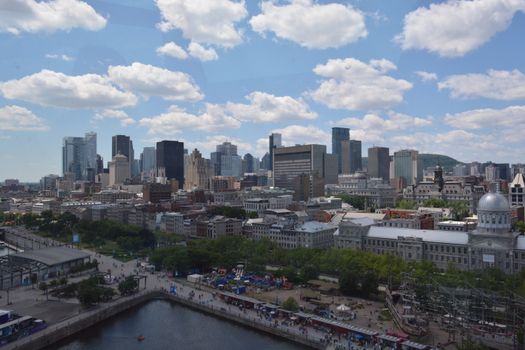 Photo: Daoud Saeed / Pexels