The Best Time to Visit Canadian Rockies: Your Ultimate Guide

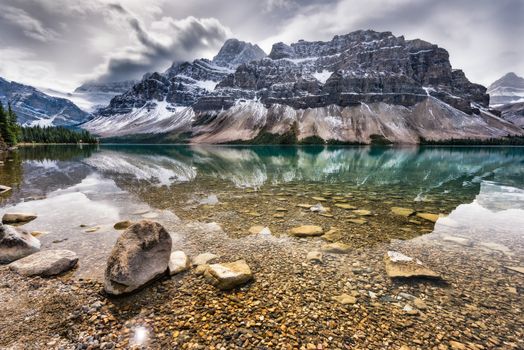
Serene landscape of a mountain reflected in a pristine lake in Alberta, Canada.Photo: Sergey Pesterev / Pexels

The Best Time to Visit Canadian Rockies: Your Ultimate Guide

Uncover the optimal season for your dream Canadian Rockies adventure, whether you seek sun-drenched trails or snowy peaks.

Plan Your Rockies Escape

Key Takeaways

  • ✓ Summer (June-August) offers warm weather, long daylight, and access to all trails, but also peak crowds and prices.
  • ✓ Fall (September-October) brings stunning larch season and fewer crowds, with crisp air and early snow potential.
  • ✓ Winter (November-April) is ideal for skiing, snowboarding, and ice activities, transforming the landscape into a snowy wonderland.
  • ✓ Spring (May-early June) is a shoulder season with thawing lakes, wildlife spotting, and fewer visitors, but some trails may still be closed.

How It Works

1
Define Your Adventure Style

Before picking a time, consider what you want to do: hike, ski, wildlife watch, or simply enjoy scenic drives. Different activities thrive in different seasons.

2
Understand Seasonal Characteristics

Each season in the Rockies offers unique weather patterns, accessibility, crowd levels, and available activities. Familiarize yourself with these distinctions to match your preferences.

3
Consider Budget and Crowds

Peak seasons often mean higher prices for accommodation and more people on trails and attractions. Shoulder seasons can offer a balance of good weather and fewer crowds/better value.

4
Book Ahead for Peak Times

If you plan to visit during the popular summer or winter holiday periods, securing accommodation, tours, and even some restaurant reservations well in advance is crucial due to high demand.

Summer in the Canadian Rockies: Peak Beauty and Activity
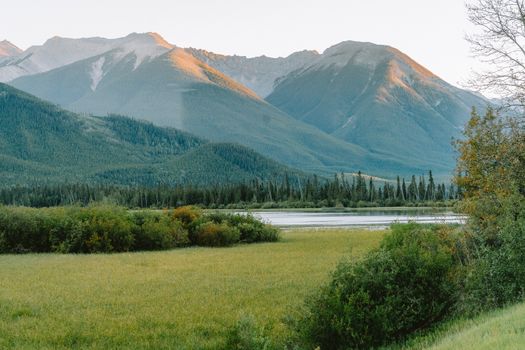
Serene summer landscape highlighting the majestic mountains of Banff National Park, Alberta, Canada.Photo: Line Knipst / Pexels
When many people envision a trip to the Canadian Rockies, they often picture the vibrant, sun-drenched landscapes of summer. And for good reason! The months of June, July, and August represent the peak season, offering the warmest weather, the longest daylight hours, and unparalleled access to the region's most iconic trails and attractions. Average temperatures during this period typically range from 20-25°C (68-77°F) in the valleys, making it perfect for outdoor pursuits. Hiking in Banff, Jasper, Yoho, and Kootenay National Parks reaches its zenith, with virtually all trails, even high-alpine routes, free of snow. Lakes like Louise, Moraine, and Peyto turn their famous turquoise hues as glacial melt fills them, creating postcard-perfect scenes. This is the ideal time for backpacking, kayaking, canoeing, rock climbing, and scenic drives like the Icefields Parkway, which is fully accessible and offers numerous viewpoints and trailheads. However, this peak beauty comes with significant trade-offs. Summer is, by far, the busiest time of year. Major attractions like Lake Louise and Moraine Lake can be incredibly crowded, requiring early morning visits or reliance on shuttle services to avoid parking nightmares. Accommodation prices skyrocket, and availability becomes scarce, often requiring bookings many months in advance. Popular campsites are booked solid almost immediately after reservations open. Wildlife viewing is excellent, with bears, elk, and deer frequently seen, though increased human presence means they can be more elusive in high-traffic areas. Despite the crowds, the sheer breadth of activities and the stunning natural beauty make summer an undeniable draw for many. If your primary goal is extensive hiking, glacier tours, or water sports on the vivid blue lakes, and you don't mind sharing the experience with many others, then summer is undoubtedly the best time to visit Canadian Rockies. Be prepared for occasional afternoon thunderstorms, which are common but usually short-lived. Pack layers, as even summer evenings can be cool at higher elevations. Early June can still see some high-elevation snow and cooler temperatures, while late August often marks the beginning of the transition to fall, with slightly fewer crowds but still excellent conditions. Ensuring you have all necessary park passes and understanding the reservation systems for popular sites is crucial for a smooth summer experience.

Autumn's Golden Embrace: Serenity and Splendor

As summer fades, the Canadian Rockies undergo a spectacular transformation, welcoming autumn in September and October. This shoulder season is often heralded by seasoned travelers as one of the best times to visit Canadian Rockies, especially for those who prioritize vibrant scenery and fewer crowds. The temperatures begin to cool, typically ranging from 10-18°C (50-64°F) during the day, with crisp mornings and evenings that hint at the coming winter. The true star of autumn is the larch season, usually peaking in mid to late September. These deciduous conifers turn a brilliant golden yellow before shedding their needles, creating a breathtaking contrast against the evergreen pines and the deep blue of the sky. Iconic larch hikes, such as those in Larch Valley near Moraine Lake or the Taylor Lake trail, become incredibly popular during this short window. Crowd levels significantly decrease after the Labour Day long weekend in early September, offering a more serene experience at popular spots. While the major lakes retain their stunning color, the tourist bustle subsides, making it easier to find parking and enjoy the views. Many businesses, tours, and restaurants remain open, though some may begin to reduce hours or close towards the end of October. Wildlife viewing can be exceptional during autumn, as animals are often more active preparing for winter. Elk rutting season in Banff and Jasper is a particularly captivating spectacle. The Icefields Parkway remains fully open and is arguably at its most beautiful with the fall colors painting the valleys. However, autumn also brings increased unpredictability in weather. Early snowfalls are possible, especially at higher elevations, and some high-alpine trails may become inaccessible. It's essential to pack a versatile wardrobe, including warm layers, waterproof outer shells, and sturdy hiking boots. While the days are generally pleasant, be prepared for sudden drops in temperature. By late October, many higher roads and services will have closed for the winter, and the golden larches will have largely faded, replaced by the stark beauty of impending snow. For photographers, hikers seeking solitude, and those who appreciate the dramatic shift in landscape, autumn offers a truly magical and often more intimate experience of the Rockies.

Winter Wonderland: Snow Sports and Icy Majesty

From November through April, the Canadian Rockies transform into a pristine winter wonderland, offering a completely different but equally captivating experience. For those who love snow sports and dramatic, snow-laden landscapes, this is undeniably the best time to visit Canadian Rockies. Temperatures during winter vary significantly, from mild days around 0°C (32°F) to bone-chilling lows of -20°C (-4°F) or colder, especially at night or in January/February. The region boasts world-class ski resorts like Lake Louise Ski Resort, Sunshine Village, and Marmot Basin, attracting skiers and snowboarders from around the globe. Beyond the slopes, winter offers a plethora of unique activities: ice skating on frozen lakes (like Lake Louise or Lake Minnewanka), snowshoeing through silent forests, cross-country skiing, ice climbing, and even dog sledding. While some summer attractions are inaccessible (e.g., Moraine Lake Road closes), others become even more magical. Johnston Canyon's icefalls are a stunning sight, perfect for an easy hike with ice cleats. The famous turquoise lakes are now frozen and covered in snow, offering a stark beauty and opportunities for unique photography. Wildlife viewing is still possible, with elk, bighorn sheep, and deer often seen foraging in accessible valley areas. Crowds are generally lower than in summer, except during major holiday periods like Christmas, New Year's, and Spring Break, when resorts and towns can be very busy. Accommodation prices can also be high during these peak winter weeks. The Icefields Parkway remains open but requires careful driving with winter tires and awareness of road conditions, as sections can close due to heavy snowfall or avalanche risk. Visiting Banff in winter offers a charming, festive atmosphere, especially around the holidays. The key to enjoying a winter trip is preparation: layered clothing, waterproof and insulated gear, proper footwear, and knowing avalanche safety if venturing into the backcountry. While the days are shorter, the crisp air, sparkling snow, and unique activities make winter an unforgettable time to explore the majestic Canadian Rockies.

Spring's Awakening: Thaw, Wildlife, and Quiet Discovery

Spring in the Canadian Rockies, typically spanning May and early June, is a transition period, often considered a shoulder season that offers a unique blend of experiences. This can be an excellent time for those seeking fewer crowds and a more budget-friendly trip, though it requires flexibility and an understanding of its distinct characteristics. Temperatures begin to rise, ranging from 5-15°C (41-59°F), but snowmelt is still very much underway. Lakes like Lake Louise and Moraine Lake slowly thaw, transitioning from frozen sheets to their iconic blue over several weeks. Early May often still feels like winter at higher elevations, with many trails remaining snow-covered or muddy. By late May and early June, lower elevation trails become accessible, and the first wildflowers begin to bloom. One of the biggest draws of spring is the exceptional wildlife viewing opportunities. As animals emerge from hibernation or migrate, they are often more visible in the valleys, particularly grizzly bears, black bears, and elk. The quieter trails and roads also contribute to more frequent sightings. Crowds are significantly lighter than in summer, meaning better deals on accommodation and easier access to popular viewpoints. However, some higher-elevation roads, like Moraine Lake Road, remain closed until late May or early June, and many high-alpine hiking trails are inaccessible until late June or even July. Activities typically involve valley hikes, scenic drives (with caution for remaining snow on shoulders), and enjoying the emerging greenery. Pack layers, including waterproof gear, as spring can bring a mix of sunshine, rain, and even late-season snow. Being prepared for varying conditions is key to enjoying a spring visit. While not all activities are available, spring offers a serene and often more authentic experience of the Rockies, providing a glimpse into the region's raw, untamed beauty as it awakens from its winter slumber. For those who prioritize wildlife and a peaceful experience over extensive high-alpine hiking, spring can be a surprisingly rewarding time to visit the Canadian Rockies. ### Essential Tips for Your Rockies Visit: * **Book Accommodations Early:** Regardless of the season, popular areas like Banff and Jasper require advance booking, especially for summer and peak winter holidays. * **Park Passes:** Purchase your Parks Canada Discovery Pass online or at park gates. It's mandatory for entry into the national parks. * **Layer Up:** Mountain weather is unpredictable. Always pack layers, waterproof outer shells, and sturdy footwear. * **Check Conditions:** Before heading out, check Parks Canada's website for trail conditions, road closures, and bear warnings. * **Wildlife Safety:** Carry bear spray and know how to use it. Maintain a safe distance from all wildlife. Never feed animals. * **Be Flexible:** Especially in shoulder seasons, be prepared for sudden weather changes or unexpected trail closures. Having backup plans can save your day. * **Respect the Environment:** Stay on marked trails, pack out everything you pack in, and leave no trace.

Comparison

FeatureSummer (June-Aug)Fall (Sept-Oct)Winter (Nov-Apr)Spring (May-early June)
Crowd LevelsVery HighMedium-LowLow (High during holidays)Low
Hiking Accessibility✓ All trails open✓ Most trails open (High-alpine may close late Oct)✗ Limited to snowshoe/ski trails✗ Low-elevation only (High-alpine closed)
Lake Colors✓ Iconic turquoise✓ Iconic turquoise (early Sept)✗ Frozen/snow-covered✗ Thawing/icy
Skiing/Snowboarding✓ Peak season✓ Early season (May)
Wildlife ViewingGood (more elusive)Excellent (rutting season)Good (valley areas)Excellent (emerging)
Cost (Accommodation)Very HighMedium-HighMedium (High during holidays)Low-Medium
Scenery HighlightLush green, blue lakesGolden larches, crisp airSnow-covered peaks, ice fallsThawing landscapes, wildflowers

What Our Readers Say

5 ★★★★★

"We visited in early September and it was absolutely magical. The golden larches were just starting to pop, and the trails were still open but not nearly as crowded as summer. The crisp air was perfect for hiking."

5 ★★★★★

"We went in mid-July, and while it was busy, the sheer beauty of the lakes and the accessible hiking made it worth every penny. Just make sure to get to Lake Louise by 7 AM!"

5 ★★★★★

"For skiing, nothing beats January in Banff. Fresh powder, stunning mountain views, and cozy evenings by the fire. We booked our trip six months in advance to secure a great deal."

4 ★★★★☆

"May offered a unique experience. While some high trails were closed, we saw so much wildlife and enjoyed the quiet. It's a different kind of beauty, but definitely rewarding if you're prepared for cooler weather."

5 ★★★★★

"The Icefields Parkway in October was breathtaking with the fall colors. We encountered a bit of snow towards Jasper, which added to the adventure. Less traffic made for a more relaxed drive and photo stops."

Frequently Asked Questions

What is the absolute best month to visit the Canadian Rockies?
The 'best' month largely depends on your desired activities. For general hiking and warm weather, July and August are prime. For stunning fall colors and fewer crowds, mid-September is ideal. Skiers and snowboarders will prefer January and February for optimal snow conditions.
Are the Canadian Rockies very crowded in summer?
Yes, summer (June-August) is peak season and the Canadian Rockies can be extremely crowded, especially at popular spots like Lake Louise, Moraine Lake, and Banff townsite. Expect busy trails, full parking lots, and higher prices for accommodations and activities. Early mornings are essential to beat the rush.
How do I avoid crowds when visiting the Canadian Rockies?
To avoid crowds, consider visiting during the shoulder seasons (May-early June or late September-October). If you must visit in summer, plan your activities for early mornings or late afternoons, explore less-trafficked trails, and utilize shuttle services where available instead of driving to popular spots.
Is it expensive to visit the Canadian Rockies?
The cost of visiting the Canadian Rockies varies significantly by season. Summer and peak winter holidays are the most expensive due to high demand for accommodations, tours, and flights. Shoulder seasons (spring and fall) generally offer better value, with lower prices for lodging and fewer visitors.
Should I visit Banff or Jasper National Park?
Both Banff and Jasper National Parks offer incredible experiences. Banff is generally more developed, with a larger town and more amenities, making it a great base for first-time visitors. Jasper offers a wilder, more remote feel with stunning landscapes and abundant wildlife. Many visitors combine both parks via the scenic Icefields Parkway.
Who should visit the Canadian Rockies in winter?
Winter in the Canadian Rockies is perfect for snow sports enthusiasts (skiing, snowboarding, snowshoeing, ice skating), those seeking dramatic snow-covered landscapes, and visitors who enjoy a festive, cozy atmosphere. It's also ideal for photographers looking for unique, starkly beautiful scenes, provided they are prepared for cold weather.
Is it safe to drive the Icefields Parkway in winter?
Driving the Icefields Parkway in winter can be safe but requires caution. Winter tires (or M+S rated tires) are mandatory, and conditions can change rapidly. Always check road reports (511 Alberta) before departing, carry an emergency kit, and be prepared for potential closures due to heavy snow or avalanche control. It's a stunning drive, but demanding.
What is the future trend for Canadian Rockies tourism?
Tourism in the Canadian Rockies is expected to continue growing, with increasing emphasis on sustainable travel and managing visitor impact. Expect more reservation systems for popular attractions, expanded shuttle services, and efforts to disperse visitors to lesser-known areas. Eco-tourism and responsible travel practices will become increasingly important.

Choosing the best time to visit Canadian Rockies is about aligning your desires with what each season offers. Whether you dream of summer hikes, golden autumn views, winter slopes, or spring wildlife, this guide empowers you to plan your perfect, unforgettable adventure. Start planning your Rocky Mountain escape today!

Topics: best time to visit canadian rockiesCanadian Rockies seasonsBanff National Park best timeJasper National Park best timeCanadian Rockies travel guide
Leo List
Brampton weed
Adultwork