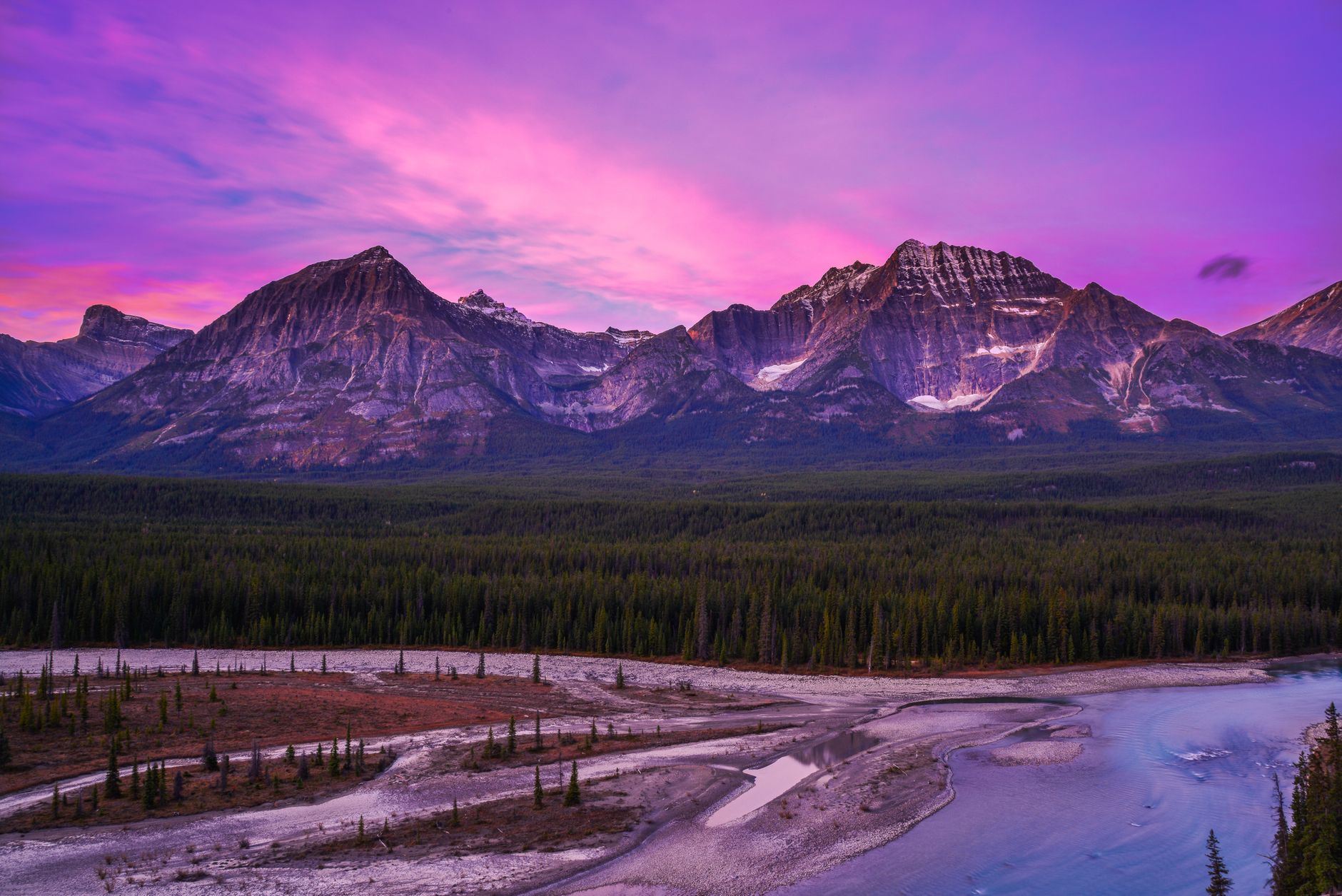
Discover the Best Places to Visit in Canada: Your Ultimate Guide
Uncover breathtaking landscapes, vibrant cultures, and unforgettable experiences across Canada's vast and diverse regions.
Start Your Canadian JourneyKey Takeaways
- ✓ Canada is the world's second-largest country by total area, offering immense diversity.
- ✓ Known for its stunning natural beauty, including mountains, lakes, forests, and coastlines.
- ✓ Rich in multicultural cities, each with unique charm and attractions.
- ✓ Offers year-round activities, from winter sports to summer hiking and city exploration.
How It Works
Consider if you prefer urban exploration, outdoor adventures, cultural immersion, or a mix. This will help narrow down the vast options available across Canada.
Dive into our comprehensive guide to discover regions and cities that align with your interests. Look at popular attractions, local events, and seasonal highlights.
Once you have a few places in mind, map out your route, considering travel times between locations. Book accommodations and key activities in advance, especially during peak season.
Pack appropriately for the season and activities planned. Ensure all necessary travel documents are in order. Embrace the journey and be open to spontaneous discoveries.
Exploring the Majestic Canadian Rockies and Western Wonders
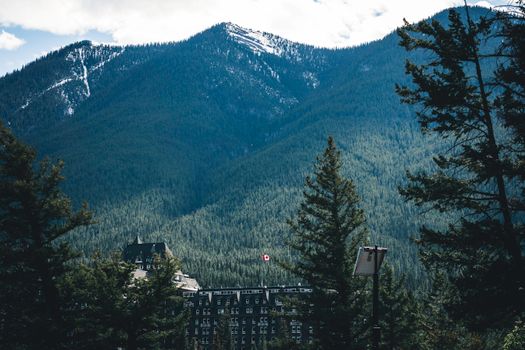 Photo: Ali Kazal / Pexels
Vibrant Urban Landscapes and Historic Charm of Eastern Canada
 Photo: Abdel Achkouk / Pexels
Untamed Wilderness and Northern Lights: Canada's Remote Charms
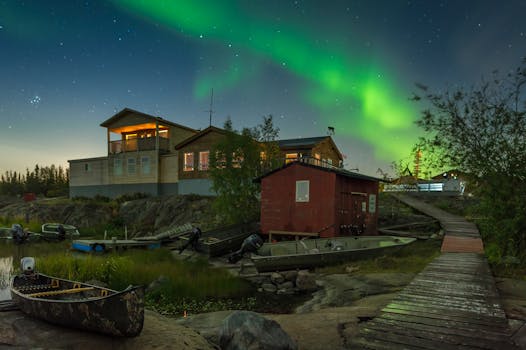 Photo: Ken Cheung / Pexels
Planning Your Canadian Adventure: Essential Tips and Common Mistakes
 Photo: Alex Ohan / Pexels
Comparison
| Feature | Canadian Rockies (West) | Quebec City (East) | Yukon Territory (North) |
|---|---|---|---|
| Primary Attraction | Mountain Scenery, Hiking | Historic Charm, French Culture | Northern Lights, Wilderness |
| Best Season | Summer/Early Fall | Summer/Winter | Winter (Aurora), Summer (Midnight Sun) |
| Cost Level | High | Medium | High |
| Ideal Duration | 5-7 days | 3-4 days | 5-7 days |
| Family Friendly | ✓ | ✓ | ✗ |
| Accessibility | Good (major airports) | Excellent (major airports) | Limited (regional flights) |
What Readers Say
"Visiting the Canadian Rockies was a dream come true. Lake Louise truly lives up to the hype, and the hiking trails were incredible. Definitely one of the best places to visit in Canada for nature lovers!"
Sarah J. · Seattle, WA"Quebec City felt like stepping into Europe without the long flight. The Old City is charming, and the food was outstanding. A must-see if you're exploring the best places to visit in Canada's east."
Mark T. · London, UK"We saw the Northern Lights in Yellowknife, and it was a life-changing experience. The local guides were fantastic, and the entire trip was flawlessly organized. Truly an unforgettable Canadian adventure."
Emily R. · Sydney, AUS"Toronto's diversity was amazing, and the food scene was exceptional. While the city itself was great, I wish we had more time to explore the Niagara region which was a bit rushed. Still, a great urban Canadian destination."
David K. · Boston, MA"The Cabot Trail in Nova Scotia was breathtaking. The coastal views and charming towns were exactly what I hoped for. If you love scenic drives and maritime culture, it's one of the best places to visit in Canada."
Jessica L. · Berlin, GERFrequently Asked Questions
What is the best time of year to visit Canada?
The best time to visit Canada largely depends on your desired activities. Summer (June to August) is ideal for hiking, sightseeing, and enjoying warm weather. Fall (September to October) offers spectacular foliage, while winter (December to March) is perfect for skiing, snowboarding, and viewing the Northern Lights. Spring (April to May) brings thawing landscapes and fewer crowds.
Is Canada an expensive country to travel in?
Canada can be moderately expensive, especially in major cities and popular tourist destinations like Banff. Accommodation and transportation can be significant costs. However, there are budget-friendly options available, and many natural attractions like national parks offer great value. Planning and booking in advance can help manage costs.
How do I get around Canada, given its size?
For long distances, flying is often the most practical option between major cities. For exploring regions, renting a car is highly recommended for flexibility, especially in areas like the Rockies or the Maritimes. VIA Rail offers scenic train journeys, and intercity buses are available for more budget-conscious travelers. Within cities, public transit is generally efficient.
What are some lesser-known gems among the best places to visit in Canada?
Beyond the popular spots, consider Fogo Island in Newfoundland for unique art and rugged coastal beauty, the Badlands of Drumheller, Alberta, for dinosaur fossils, or the remote beauty of Haida Gwaii in British Columbia for Indigenous culture and ancient forests. The Gaspe Peninsula in Quebec also offers stunning coastal scenery and charming villages, away from the typical tourist routes.
How does Canada compare to the USA for travel?
Both offer vast natural beauty, but Canada often provides a more pristine, less crowded wilderness experience, especially in its northern territories. Culturally, Canada boasts a strong French influence in Quebec and a generally more multicultural urban environment. The pace of life can feel a bit more relaxed than in the US, and it's often perceived as having a slightly higher safety index for travelers.
Who should consider traveling to Canada?
Canada is ideal for a wide range of travelers: nature enthusiasts, adventure seekers, cultural explorers, and families. Those who appreciate vast landscapes, diverse culinary scenes, and friendly, multicultural cities will find Canada incredibly rewarding. It's particularly well-suited for road trips and outdoor activities.
Is it safe to travel solo in Canada?
Yes, Canada is widely considered one of the safest countries in the world for solo travelers. Its cities are generally safe, and its natural areas are well-maintained with clear trail markings. As with any travel, exercising general caution, especially at night in urban areas, and informing someone of your itinerary in wilderness areas is always advisable.
What are the emerging travel trends in Canada?
Sustainable and eco-tourism are growing trends, with increased interest in supporting local communities and minimizing environmental impact. Indigenous tourism is also gaining prominence, offering authentic cultural experiences. "Slow travel," focusing on deeper immersion in fewer destinations, and outdoor adventure travel continue to be popular, especially post-pandemic.
Ready to embark on an unforgettable adventure? Use this guide to discover the best places to visit in Canada and start planning your dream trip today. Your Canadian journey awaits!