✓ Calgary is a gateway to over 100 incredible hiking trails within a 90-minute drive.
✓ Trails range from easy paved paths to challenging multi-day backcountry expeditions.
✓ Kananaskis Country offers a vast network of trails often less crowded than Banff National Park.
✓ Wildlife encounters are common; always carry bear spray and know how to use it.
✓ Permits or park passes may be required for certain areas, such as Banff National Park.
How It Works
1
Choose Your Difficulty
Assess your fitness level and hiking experience to select a trail that matches your capabilities. Consider elevation gain, distance, and terrain before you go.
2
Select Your Scenery
Decide what kind of views you're craving – alpine lakes, panoramic mountain vistas, or lush forests. Each trail offers a unique visual experience.
3
Prepare Your Gear
Pack essentials like water, snacks, layers of clothing, navigation tools, and bear spray. Proper footwear is crucial for comfort and safety on varied terrain.
4
Check Conditions & Go
Always check trail reports, weather forecasts, and avalanche warnings (if applicable) before heading out. Share your itinerary with someone and enjoy your hike responsibly.
Unveiling the Premier Hiking Destinations Near Calgary
Photo: Ali Kazal / Pexels
Calgary, a vibrant city nestled at the foothills of the majestic Canadian Rockies, serves as a prime launching pad for some of the most spectacular hiking experiences in North America. Within a short drive, you can transition from urban bustle to serene alpine wilderness, offering an unparalleled escape for nature enthusiasts. The sheer variety of trails available means there's an adventure for every skill level, from families with young children seeking an easy stroll to seasoned mountaineers craving a challenging multi-day trek. This guide will delve deep into the premier destinations, ensuring you discover the absolute best hiking trails near Calgary.
Our journey begins with Banff National Park, undoubtedly the most famous and arguably the most breathtaking. While it can be busy, its iconic landscapes are simply unmissable. Trails like Johnston Canyon, with its series of stunning waterfalls and catwalks, offer an accessible yet rewarding experience, particularly popular in spring and fall. For those seeking more elevation and panoramic views, the Plain of Six Glaciers Tea House hike near Lake Louise provides an unforgettable journey past glaciers and turquoise waters, culminating in a charming, rustic tea house. Remember that a Parks Canada Pass is required for entry into Banff National Park, and during peak season, shuttle services or early arrival are often necessary to access popular trailheads. Beyond Banff's well-trodden paths, the lesser-known areas offer their own unique charm, providing a sense of solitude amidst grandeur. Exploring the vast network of trails within Banff alone could fill countless weekends, each offering a distinct perspective of this UNESCO World Heritage site. Consider visiting during shoulder seasons (late spring, early fall) to experience fewer crowds and potentially more vibrant natural colours. For more travel tips specific to the Canadian Rockies, consult our comprehensive guide.
Moving east, Kananaskis Country emerges as a hiker's paradise, often described as Banff's wilder, quieter cousin. This vast provincial park system offers an equally impressive array of trails, from gentle lakeside walks to strenuous scrambles, often with fewer visitors. Trails around Canmore, the charming mountain town at the edge of Kananaskis, are particularly popular. Grassi Lakes, with its vibrant green and blue pools, is a family favorite, offering both an easy and a more challenging route to the upper lakes. For a more demanding ascent, Ha Ling Peak presents a steep but rewarding climb to a summit with unparalleled views of Canmore and the Bow Valley. Kananaskis is a provincial park, meaning a Kananaskis Conservation Pass is required for vehicle entry, which can be purchased online. The sheer diversity of Kananaskis is its greatest strength, allowing hikers to explore everything from dense forests to exposed ridge walks, ensuring a fresh adventure every time. Always be prepared for variable weather conditions in these mountainous regions, as they can change rapidly.
Exploring Diverse Landscapes: From Alpine Lakes to Foothill Forests
Photo: Jean-Paul Wettstein / Pexels
The appeal of the best hiking trails near Calgary lies not just in their proximity but in the incredible diversity of landscapes they traverse. Hikers can choose between the dramatic, craggy peaks and brilliant turquoise lakes of the high alpine, the dense, verdant forests teeming with wildlife, or the rolling foothills offering expansive views of the prairies meeting the mountains. This variety ensures that no two hikes are quite the same, providing endless opportunities for exploration and discovery. Each ecosystem presents its own set of challenges and rewards, from the unique flora and fauna to the distinct geological formations.
For those captivated by the allure of alpine lakes, trails like Chester Lake in Kananaskis Country offer a relatively moderate ascent through lush forest, opening up to a stunning subalpine lake surrounded by towering peaks. This trail is particularly beautiful in the fall when the larch trees turn golden. Another gem is Rawson Lake, also in Kananaskis, which provides a steady climb to a pristine lake nestled beneath the impressive Sarrail Ridge. These trails often feature snow-capped peaks even in summer, creating a dramatic backdrop for your outdoor adventure. The water in these lakes, fed by glaciers, often boasts an otherworldly blue or green hue, a testament to the glacial silt suspended within. It's a truly mesmerizing sight that makes every step of the journey worthwhile.
If dense forests and the chance to spot wildlife are more your style, many trails closer to Calgary offer just that. West Bragg Creek, located southwest of the city, boasts an extensive network of multi-use trails suitable for hiking, mountain biking, and cross-country skiing. Trails like Braggin' Rights or Boundary Ridge offer varying lengths and difficulties, winding through mature evergreen forests and providing glimpses of the foothills' unique ecosystem. These areas are excellent for birdwatching and offer a peaceful retreat from the more crowded mountain parks. The sounds of rustling leaves, chirping birds, and the earthy scent of pine create an immersive sensory experience. Moreover, these foothill trails often have a longer hiking season, being accessible earlier in spring and later into the fall compared to their higher-elevation counterparts, which might still be covered in snow.
Ridge walks and panoramic viewpoints are another highlight for hikers in the Calgary area. Trails such as Prairie Mountain, a popular choice for Calgarians due to its relatively close proximity and continuous uphill climb, reward hikers with expansive 360-degree views of the front ranges and the sprawling prairies to the east. The sense of accomplishment upon reaching the exposed summit, with the wind whipping past and the world stretching out beneath you, is truly invigorating. Similarly, the challenging but incredibly scenic ridge walk to Tent Ridge Horseshoe in Kananaskis offers some of the most dramatic vistas, requiring a good head for heights but delivering unparalleled photographic opportunities. These trails often provide a unique perspective on the geological forces that shaped the Rockies, allowing you to trace ancient fault lines and observe the dramatic uplift of the mountains. The sheer scale of the landscape from these vantage points is humbling and awe-inspiring, solidifying why these are considered among the best hiking trails near Calgary.
Planning Your Perfect Hike: Safety, Gear, and Local Insights
Photo: Rachel Claire / Pexels
Embarking on any outdoor adventure, especially in the rugged terrain surrounding Calgary, requires meticulous planning and preparation. Prioritizing safety is paramount, as mountain environments can be unpredictable. Always check the weather forecast before you leave, as conditions can change rapidly, with sunny mornings often giving way to afternoon thunderstorms or even snow at higher elevations, even in summer. Furthermore, consult trail reports for closures, wildlife sightings (especially bears), and current conditions, which can be found on Parks Canada or Alberta Parks websites. Sharing your itinerary with a trusted contact, including your planned route and estimated return time, is a non-negotiable safety measure. This simple step can be life-saving in case of an unexpected event.
Proper gear is another critical component of a successful and enjoyable hike. Essential items include sturdy hiking boots with good ankle support, layered clothing (synthetic or wool, never cotton) to adapt to changing temperatures, a waterproof and windproof outer shell, and plenty of water – often more than you think you'll need. High-energy snacks are crucial for sustaining your energy levels, and a first-aid kit should always be in your pack. Navigation tools, such as a map and compass or a reliable GPS device/app, are indispensable, even on well-marked trails, as disorientation can occur quickly in unfamiliar territory. Bear spray is a must-have in bear country, and knowing how to use it is equally important. Consider taking a bear safety course if you're new to hiking in the Rockies. A headlamp or flashlight is also wise, even for day hikes, in case you are delayed and find yourself out after dark. For extended trips, consider lightweight backpacking gear options.
Local insights can significantly enhance your hiking experience. Talking to park rangers, local outdoor retailers, or experienced hikers can provide invaluable information about current trail conditions, recent wildlife activity, and lesser-known gems. They might recommend alternative routes to avoid crowds or suggest trails that are particularly beautiful during a specific season. For instance, while larch season in September is incredibly popular, knowing which trails are less frequented can offer a more serene experience of the golden trees. Understanding local regulations, such as fire bans or restrictions on dog access, is also crucial for responsible recreation. Many areas around Calgary are part of protected wilderness, and respecting the environment by staying on marked trails, packing out all trash (including organic waste), and minimizing your impact is essential. Remember the Leave No Trace principles to preserve these beautiful areas for future generations. Choosing the best hiking trails near Calgary involves not just finding a path, but embracing the responsibility that comes with exploring such pristine natural environments.
Beyond the Basics: Advanced Trails and Winter Adventures
Photo: Jean-Paul Wettstein / Pexels
While many of the best hiking trails near Calgary cater to a wide range of abilities, the region also boasts an incredible selection of advanced and expert-level trails for those seeking a greater challenge. These trails often feature significant elevation gain, technical terrain, scrambling sections, and longer distances, demanding superior fitness, experience, and navigational skills. Peaks like Mount Yamnuska, known for its iconic traverse and climbing routes, or the intricate ridge systems of the Opal Range in Kananaskis, offer breathtaking views but require careful planning and a thorough understanding of mountain hazards. Always research these advanced routes extensively, understand the necessary equipment (e.g., helmets for scrambling, ice axe for early season snow), and consider hiring a certified guide if you are new to such terrain. The rewards, however, are unparalleled: solitude, profound wilderness experiences, and views that few ever witness.
Winter transforms the landscape around Calgary into a stunning, snow-covered wonderland, opening up a new dimension of hiking and outdoor recreation. Many of the summer trails become accessible for snowshoeing or winter hiking, offering a unique and often quieter experience. Popular winter destinations include Chester Lake, Grotto Canyon (famous for its ice walks), and sections of the Ribbon Creek trails in Kananaskis. For snowshoeing, trails with a gradual incline and sheltered forests are ideal. Ice cleats or microspikes are essential for icy paths, and proper winter layering is crucial to stay warm and dry. Avalanche safety is paramount in winter, and anyone venturing into avalanche terrain must have proper training, equipment (transceiver, probe, shovel), and knowledge of current avalanche forecasts. Stick to designated winter trails or lower-angle terrain if you are inexperienced. The crisp air, sparkling snow, and serene silence of winter hiking offer a magical contrast to the bustling summer trails, making it an equally compelling time to explore the best hiking trails near Calgary. Always inform someone of your winter plans, as rescue operations are more challenging in cold conditions. Carrying emergency shelter and extra warm clothing is highly recommended for winter excursions.
Comparison
Feature
Johnston Canyon (Banff)
Ha Ling Peak (Kananaskis)
Prairie Mountain (Foothills)
Difficulty
Easy-Moderate
Difficult
Moderate-Difficult
Scenery
Waterfalls, Canyon
Panoramic Mountain Views
Foothills, Rockies Vista
Crowd Level
High
Medium-High
Medium
Permit Required
✓ (Parks Canada Pass)
✓ (Kananaskis Pass)
✗
Distance (round trip)
5-10 km
7.2 km
7.8 km
Elevation Gain
260 m
760 m
700 m
Best Season
Spring, Fall
Summer, Early Fall
Year-round (conditions permitting)
What Readers Say
★★★★★
"The guide to best hiking trails near Calgary was a lifesaver! We tried the Grassi Lakes trail and it was perfect for our family, vibrant colours and easy access. So much detail and great tips for safety."
Sarah J. · Calgary, AB
★★★★★
"As an experienced hiker, I appreciated the breakdown of advanced trails. The description of Tent Ridge Horseshoe was spot on, and the advice on avalanche safety for winter hiking is crucial. A truly comprehensive resource."
Michael T. · Edmonton, AB
★★★★★
"This article convinced me to visit Kananaskis Country instead of just Banff, and I'm so glad I did! The less crowded trails and stunning views around Canmore made for an unforgettable trip. The permit info was very helpful."
Emily R. · Vancouver, BC
★★★★★
"Good overview of the hiking options. While it covered a lot, I would have liked a bit more detail on specific gear recommendations for multi-day trips. Still, a solid starting point for planning."
David L. · Lethbridge, AB
★★★★★
"I'm new to hiking and found the 'How It Works' section incredibly useful for getting started. The local insights helped me choose a less crowded trail for my first solo adventure and I felt well-prepared."
Jessica W. · Calgary, AB
Frequently Asked Questions
What is the best time of year to hike near Calgary?
The best time for hiking near Calgary largely depends on the trail and your preferences. Summer (June-September) offers the warmest weather and access to most high-elevation trails. Spring (May-June) and Fall (September-October) provide beautiful colours and fewer crowds, though some higher trails may still have snow or be inaccessible due to early snowfall. Winter hiking and snowshoeing are popular from November to April in lower elevations.
Do I need a park pass to hike near Calgary?
Yes, it depends on your chosen hiking destination. For trails within Banff National Park, a Parks Canada Pass is required. For trails within Kananaskis Country, a Kananaskis Conservation Pass is required for vehicle entry. Many trails closer to Calgary in provincial recreation areas or municipal land do not require a pass.
What essential safety gear should I bring on a hike?
Always carry bear spray and know how to use it, as you are in bear country. Other essentials include plenty of water, high-energy snacks, layered clothing, sturdy hiking boots, a first-aid kit, navigation tools (map, compass, or GPS), and a headlamp. Inform someone of your hiking plans and estimated return time.
Are there any easy, family-friendly hiking trails near Calgary?
Absolutely! Many trails cater to families and beginners. Popular choices include Johnston Canyon (Banff), Grassi Lakes (Kananaskis - easy route), and many of the paved or well-maintained paths in West Bragg Creek or around Chestermere Lake. These trails typically have minimal elevation gain and well-defined paths.
How do I check trail conditions before heading out?
For Banff National Park trails, visit the Parks Canada website. For Kananaskis Country, check the Alberta Parks website. Local outdoor retailers and visitor information centers can also provide up-to-date information on trail closures, wildlife advisories, and weather conditions. Always check multiple sources for the most comprehensive overview.
Who should consider hiking the advanced trails?
Advanced trails are best suited for experienced hikers with excellent physical fitness, strong navigational skills, and a good understanding of mountain hazards like exposure, scrambling, and rapidly changing weather. It's recommended to have prior experience on challenging terrain and to hike with a partner or guide on unfamiliar advanced routes.
What are the risks of hiking in the Canadian Rockies?
Primary risks include wildlife encounters (bears, cougars), rapidly changing weather conditions, avalanches (in winter/spring), rockfall, getting lost, and injuries from slips or falls on uneven terrain. Being prepared with proper gear, knowledge, and a safety plan significantly mitigates these risks.
What are the 'Leave No Trace' principles for hiking?
The 'Leave No Trace' principles include planning ahead and preparing, traveling and camping on durable surfaces, disposing of waste properly (pack it in, pack it out), leaving what you find, minimizing campfire impacts, respecting wildlife, and being considerate of other visitors. Adhering to these principles helps preserve the natural beauty of the trails.
Ready to lace up your boots and explore the breathtaking landscapes surrounding Calgary? With this comprehensive guide to the best hiking trails near Calgary, you have all the information you need to plan an unforgettable adventure. From serene lakeside strolls to challenging alpine ascents, your perfect Rocky Mountain escape awaits. Start planning your next hike today and discover the natural wonders that make this region a world-class hiking destination.
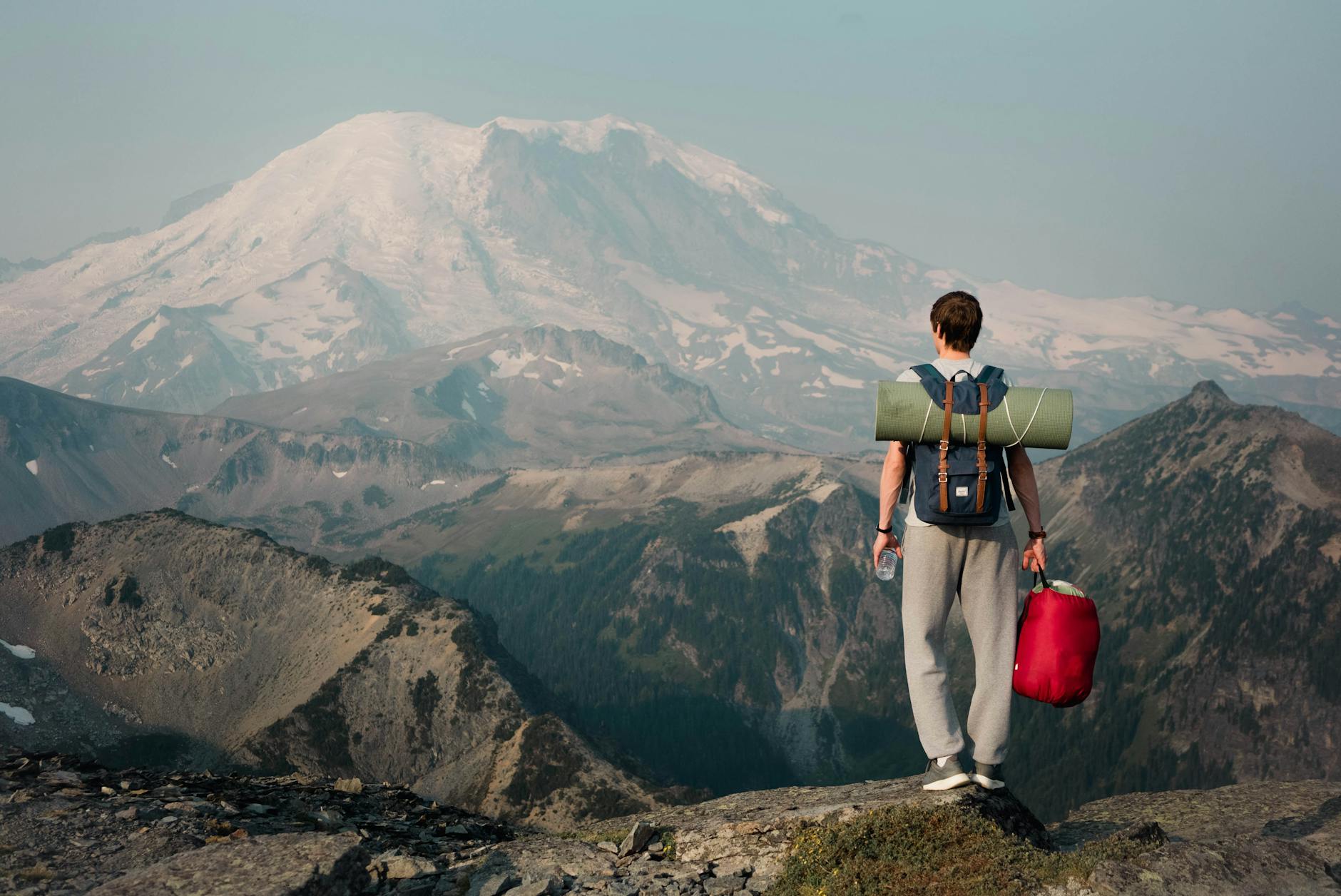
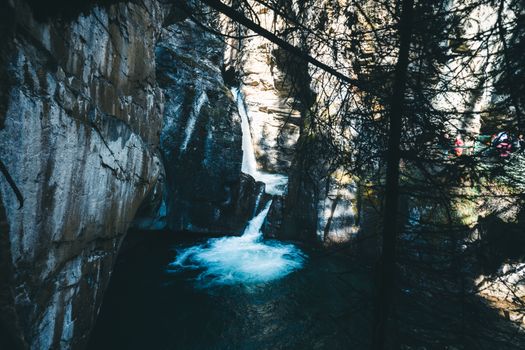 Photo: Ali Kazal / Pexels
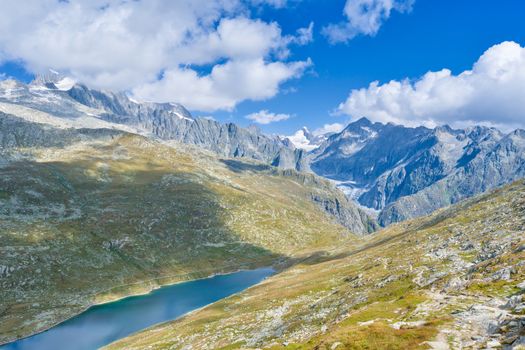 Photo: Jean-Paul Wettstein / Pexels
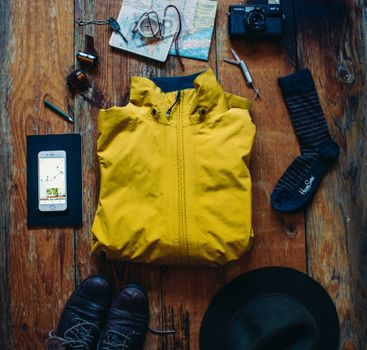 Photo: Rachel Claire / Pexels
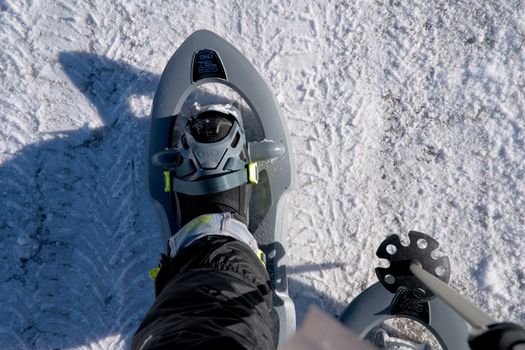 Photo: Jean-Paul Wettstein / Pexels